
Heads up: this post contains affiliate links. If you buy through one, we may earn a small commission at no extra cost to you. As an Amazon Associate, we earn from qualifying purchases.
⚡ Quick Answer: To catch catfish: fish on or near the bottom with smelly bait (nightcrawlers, chicken liver, cut bait), use a circle hook on a slip-sinker rig, and fish the hour before dark through midnight in summer. Channels are everywhere and easy; blues get huge; flatheads want live bait. Let them load the rod — don’t jerk.
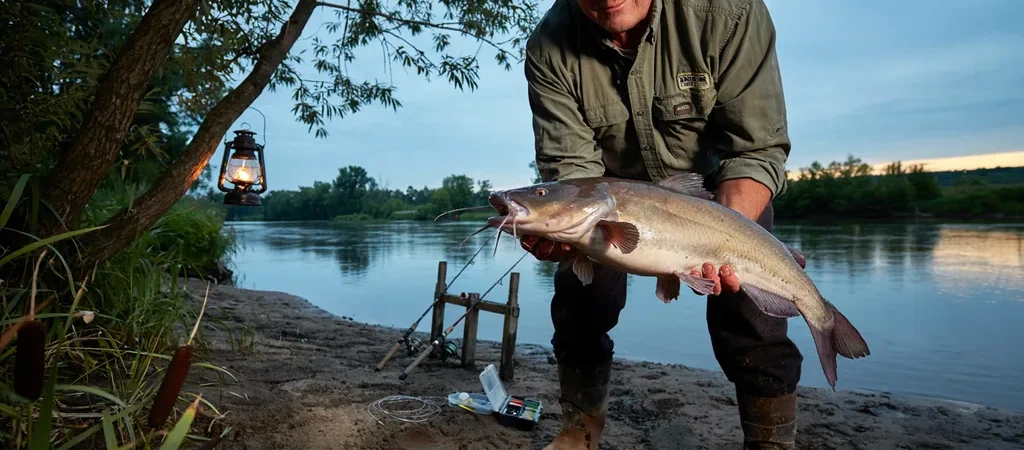
Catfishing is fishing at its most relaxed: lawn chairs, rod holders, a lantern, and the electric moment a rod doubles over in the dark. It’s also the most reliable way in many states to catch a genuinely BIG fish. Here’s everything a beginner needs — species, rigs, baits, and where to soak them.
Know Your Catfish
- Channel cats (1–10 lbs): in nearly every pond, lake, and river in America. Feed by smell; the easiest to catch and best eating.
- Blue cats (10–100+ lbs): big-river giants that want fresh-cut bait (shad, skipjack). The trophy chase.
- Flatheads (10–80 lbs): ambush predators that eat LIVE bait almost exclusively. Nighttime specialists around timber.
The Only Rig You Need to Start
The slip-sinker (Carolina) rig: egg sinker sliding on the main line → bead → swivel → 18-inch leader → circle hook. The cat picks up the bait and feels no weight; the circle hook sets itself as it swims off. The circle-hook rule: don’t set the hook. When the rod loads up, just reel — jerking pulls the bait away. It feels wrong for a week, then you never miss fish again.
Baits That Produce
- Nightcrawlers: the universal starter — everything eats them (that’s also their weakness: bluegill tax).
- Chicken liver: channel cat candy; ties on with a bait wrap or mesh so it stays on the hook.
- Cut bait: chunks of fresh shad or bluegill (where legal) — the serious channel and blue bait.
- Prepared punch/dip baits: shockingly effective for channels in warm water.
Where and When
- Rivers: current seams, deep outside bends, below dams, and creek mouths. Cats sit where food washes to them.
- Lakes and ponds: channel edges, points, and flats near deep water; evening fish slide shallow to feed.
- The golden hours: the last hour of light through midnight, especially in summer. Daytime works in spring and after rain muddies the water.
Gear: Simple and Stout
A 7-foot medium-heavy combo with 15–20 lb line handles everything but trophy blues, and a pack of circle hooks completes the kit:
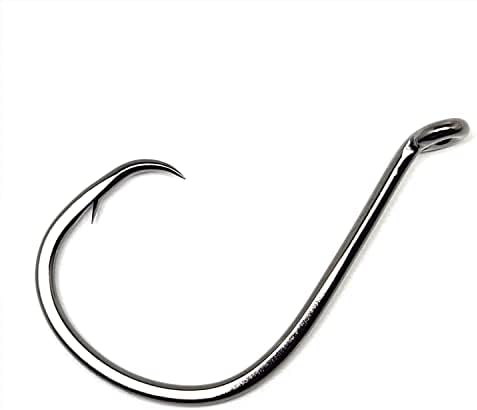
- Barb, non-offset circle hooks
- Conforms with some billfish tournament regulations
- Size: 6/0

Bank Fishing Comforts
Catfishing rewards patience, so make patience comfortable: rod holders (cats WILL pull rods in), a good chair, a lantern, and bug spray. Add our night fishing guide for the after-dark details, and check the best times to fish to stack the odds.
Frequently Asked Questions
What is the best rig for catching catfish?
The slip-sinker (Carolina) rig: egg sinker sliding on the main line, bead, swivel, 12–18 inch leader, circle hook. The cat feels no resistance as it takes the bait, and the circle hook sets itself when you reel tight.
Do catfish bite better at night?
Often, especially in summer shallows — but the day bite around deep structure, current seams, and fresh-rain runoff is underrated. Fish where the food funnels and the light is low, whatever the clock says.
What is the biggest catfish bait mistake?
Old, washed-out bait. Catfish hunt by smell, and a chunk of fresh-cut shad broadcasts scent in a way yesterday’s leftovers cannot. Fresh bait, re-baited every 20–30 minutes, out-fishes everything else in the cooler.

Written by Tom Rivera · Fishing & Hunting
Tom has spent four decades outdoors — on lakes, rivers, and treestands — and still fishes most weekends. These days his favorite catch is watching his grandkids reel in their first bluegill.