
Heads up: this post contains affiliate links. If you buy through them, WildMorrow may earn a small commission at no extra cost to you. As an Amazon Associate, we earn from qualifying purchases.
⚡ Quick Answer: How to choose a sleeping bag: decoding temperature ratings (buy 10-15 degrees colder), mummy vs rectangular shape, down vs synthetic fill, and the liner-and-pad tricks that extend its range.
A sleeping bag is the difference between waking up refreshed and lying awake shivering, counting the hours until dawn. But the wall of bags at the store (all those numbers and shapes and mysterious fill types) sends beginners into paralysis. Relax. Choosing a sleeping bag comes down to three questions: how cold, what shape, and which fill. Answer those and the right bag picks itself.
Question 1: How cold will it get? (the temperature rating)
A bag’s temperature rating is a survival number, not a comfort number, so the golden rule is to buy a bag rated 10 to 15 degrees colder than the lowest temperature you expect. A “20-degree bag” keeps you alive at 20 but comfortable more like 30 to 35. Match the rating to your season: a 30 to 40 degree bag for summer, a 20 degree bag as the versatile all-rounder, and a 0 degree (or lower) bag for winter and cold alpine nights.
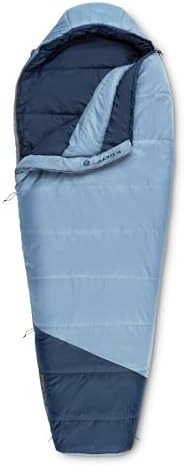
- recycled polyester
- Imported
- Budget Friendly: Conquer sleep in the outdoors, without killing your budget. The Mistral is designed to give you everyth…

- Flannel
- Made in the USA
- MATERIAL: 100% Cotton Flannel

- thermolite
- Imported
- A liner is the climate core of your sleep system – the Silk Blend liner adds warmth and a touch of luxury to your sleepi…
Question 2: What shape? (mummy vs rectangular)
Mummy bags taper toward the feet and have a hood, trapping heat efficiently with less material and weight, the choice for cold weather and backpacking, though they feel snug. Rectangular bags are roomy and great for warm-weather car camping and restless sleepers who hate feeling wrapped up, but they’re heavier and colder for their size. Semi-rectangular splits the difference. Backpackers go mummy; summer car campers often prefer rectangular.
Question 3: Down or synthetic fill?
Down is warmer for its weight, packs smaller, and lasts longer, but costs more and loses insulation when wet (unless treated). Synthetic is cheaper, keeps insulating even when damp, and dries faster, but is heavier and bulkier. For most beginners and damp climates, synthetic is the practical, budget-friendly choice; weight-conscious backpackers in dry conditions lean down.
The upgrades that stretch a bag’s range
Two cheap tricks widen what one bag can do. A liner adds several degrees of warmth (and keeps the bag clean), effectively turning a summer bag into a three-season one. And remember: your sleeping pad does half the insulating, so pair any bag with a good pad (details in our sleep system guide). Store your bag loose at home, never compressed, so it keeps its loft for years.
Match it to your camping
Weekend car camper in summer? A roomy rectangular synthetic 30-degree bag is perfect and affordable. Getting into backpacking or shoulder-season trips? A 20-degree mummy is the do-everything choice. Chasing winter and snow? Invest in a 0-degree bag and a warm pad. Fill the rest of your kit from the best camping gear list, and sleep like you’re home.
Frequently Asked Questions
What temperature rating sleeping bag should I buy?
A 20°F bag is the one-bag answer for 3-season camping: comfortable into the 30s, survivable lower, ventable when warm. Buy for the coldest night you will realistically face, minus a 10-degree safety margin — ratings are optimistic.
Is down or synthetic insulation better?
Down wins on warmth-per-ounce, packed size, and lifespan; synthetic wins on price and keeping some warmth when soaked. Car campers and budget buyers: synthetic. Backpackers in mostly-dry climates: down, protected by a dry bag.
What is the difference between comfort and limit ratings?
The comfort rating is where an average cold sleeper stays comfortable; the limit rating is where a warm sleeper survives curled up. Shop by comfort rating — especially cold sleepers and women — and treat the limit number as marketing.
Written by Jake Miller · Camping & Gear
Jake grew up pitching tents before he could drive and has spent 15+ years camping, car-camping, and gear-testing his way across the country. If it can be cooked over a fire or packed into a trunk, he has an opinion on it.