
Heads up: this post contains affiliate links. If you buy through them, WildMorrow may earn a small commission at no extra cost to you. As an Amazon Associate, we earn from qualifying purchases.
⚡ Quick Answer: The best dark sky parks in the US for stargazing – Big Bend, Cherry Springs, Natural Bridges, Death Valley, and Great Basin – plus how to time a new-moon trip and the gear that helps you see more.
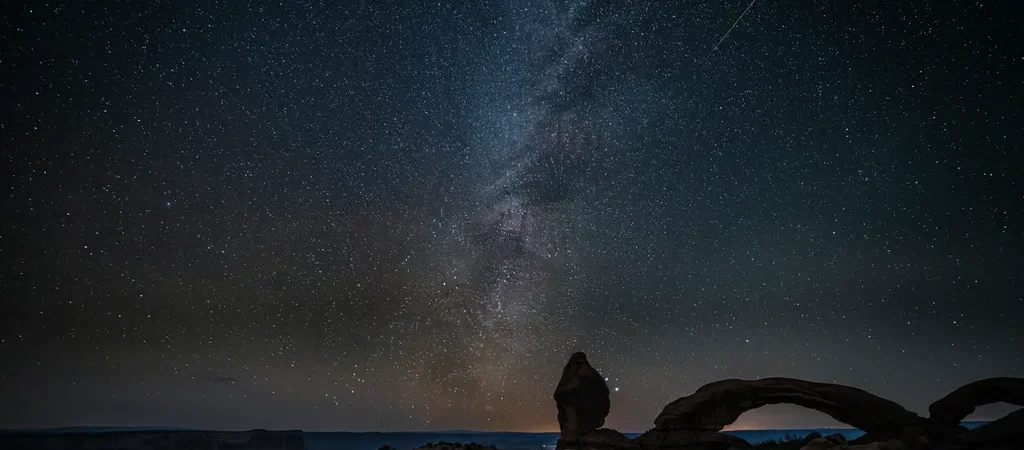
Most Americans have never truly seen the night sky. Under city lights we get a few dozen stars; from a genuinely dark place, the same sky reveals thousands, plus the Milky Way arching overhead like spilled sugar. Chasing that view has a name (astrotourism) and a network of protected places to do it: certified Dark Sky Parks. Here are the best dark sky parks in the US for stargazing, and how to make the most of a night under them.
1. Big Bend National Park, Texas
The least light-polluted national park in the lower 48, with skies so dark the Milky Way casts shadows. Remote West Texas has almost nothing to spoil it. Pair a night here with our stargazing guide.
2. Cherry Springs State Park, Pennsylvania
The East Coast’s premier dark-sky destination, an 82-acre field on a mountaintop surrounded by state forest, with a dedicated astronomy viewing area. Proof you don’t need the desert for spectacular stars.
3. Natural Bridges National Monument, Utah
The world’s first certified International Dark Sky Park, where you can photograph the Milky Way arching over a natural stone bridge. Utah’s dry desert air and high elevation make it a stargazing dream.
4. Death Valley National Park, California
One of the largest Dark Sky Parks in the world: vast, dry, and far from any city. Winter nights here are crisp, clear, and unforgettable.
5. Great Basin National Park, Nevada
Among the darkest skies in the country, with an annual astronomy festival and views of thousands of stars, five planets, and satellites on any clear night.
Time it and gear up
Two rules make or break a stargazing trip: go on a new-moon weekend (a full moon washes out the sky), and give your eyes 20 to 30 minutes to fully dark-adapt, then protect that adaptation. A red-light headlamp lets you read a star chart and find gear without resetting your night vision, and a good pair of binoculars reveals star clusters, moons of Jupiter, and craters, no telescope required.
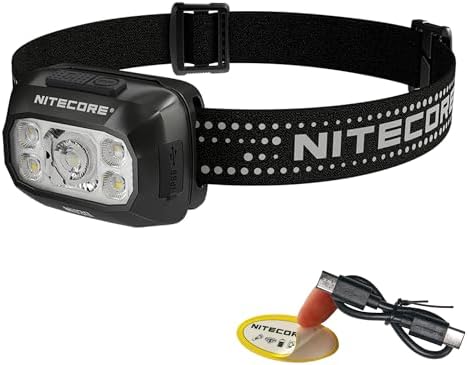
- POWERFUL HEADLAMP- The 2024 Release of the NU30 headlamp is capable of emitting 500 lumens with a max beam distance of 1…
- VERSATILE WITH MULTIPLE OUTPUTS – Its primary white LED offers four brightness settings from 1 to 500 lumens. Additional…
- USB-C CHARGING – The NU30 can run for up to 97 hours on its lowest mode and takes 2 hours to recharge. A power status in…

- Quality optics with stunning HD clarity
- 100% quality materials used and tested extensively
- Beautiful design and durability built to last
Plan your night
Check a light-pollution map to find the darkest spot near you, download a stargazing app (set to red-light mode), dress warmer than you think (you’ll be sitting still after dark), and bring something comfortable to lie back on. Then look up and rediscover the sky humans have watched for a hundred thousand years. Make a weekend of it with our best places to camp guide.
Frequently Asked Questions
What is a dark sky park?
A dark sky park is a location certified for its exceptionally dark, star-filled skies and its efforts to limit light pollution. These parks offer some of the best stargazing in the country, letting visitors see the Milky Way, meteor showers, and countless stars invisible from cities.
Where are the best dark sky parks in the US?
Standouts include Big Bend in Texas, Death Valley in California, Cherry Springs in Pennsylvania, Natural Bridges in Utah, and many parks across the desert Southwest. These remote, high, dry locations offer minimal light pollution and spectacular night skies.
When is the best time for stargazing?
Plan around the new moon, when the sky is darkest, and avoid nights near a full moon. Clear, dry nights offer the best visibility, and higher elevations help. Let your eyes adjust to the dark for at least twenty minutes, and use a red light to preserve your night vision.
Written by Sarah Brooks · Hiking & National Parks
Sarah fell in love with the outdoors on a childhood trip to the Smokies and has logged thousands of trail miles across 30+ national parks since. She is happiest above treeline with a map in hand.