Heads up: this post contains affiliate links. If you buy through them, WildMorrow may earn a small commission at no extra cost to you. As an Amazon Associate, we earn from qualifying purchases.
⚡ Quick Answer: The best hot springs in the US – Strawberry Park, Conundrum, Travertine, and desert soaks – plus safety rules and the water shoes, towel, and changing shelter that make wild soaking better.
Few things in the outdoors feel as good as sinking into a natural hot spring after a long hike, warm mineral water, cold mountain air, and steam rising into the pines or desert stars. The US is dotted with them, from developed resorts to wild soaks you earn on foot. Here are the best hot springs in the US, plus how to soak safely and respectfully.
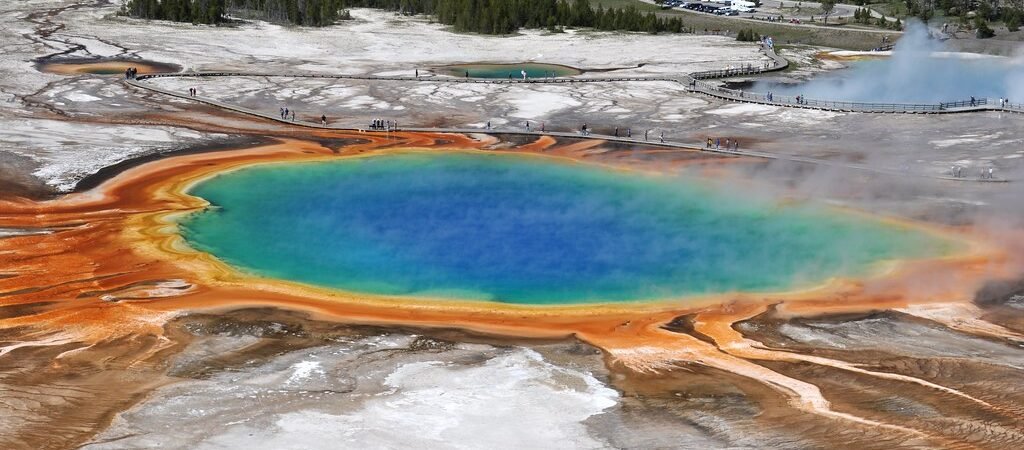
1. Yellowstone region, Wyoming (look, don’t soak)
Important first: Yellowstone’s own thermal features are dangerously hot and strictly off-limits for soaking. Nearby developed springs offer legal, safe options. Never enter a spring that isn’t confirmed safe; people are severely burned in scalding water every year.
2. Strawberry Park Hot Springs, Colorado
Stone-lined pools tucked in a forested canyon near Steamboat Springs, fed by natural mineral water at blissful temperatures. Rustic, beautiful, and reservation-based, the classic Rocky Mountain soak.
3. Conundrum Hot Springs, Colorado
The reward for a strenuous 8.5-mile backpack: alpine pools above 11,000 feet with mountain views in every direction. A permit is required, and the effort keeps it wild and uncrowded.
4. Travertine Hot Springs, California
Terraced mineral pools with sweeping Eastern Sierra views near Bridgeport, free and first-come. A short walk from the car makes it one of the more accessible wild soaks.
5. The desert soaks: Nevada & New Mexico
Scattered across the Great Basin and around Truth or Consequences, New Mexico, are dozens of primitive and developed springs where you soak under enormous dark skies. Winter is prime, when hot water meets cold desert nights.
Soak smart: the hot springs kit
Wild soaking rewards a little preparation. Water shoes protect your feet on rocky, slippery pool bottoms, a fast-drying towel beats a frozen cotton one on the walk back, and a pop-up changing shelter gives you privacy at undeveloped springs with no facilities.


- Lightweight, packable towel is ideal for camping, backpacking, hiking, boating, and travel; suitable for bath, kitchen, …
- Made from soft, super-absorbent microfiber fabric with an ultra-suede finish
- Dries in a flash; microfiber has a surface area around 40 times that of a regular fiber, so it dries much faster than an…
The unwritten rules
Test the water before you get in (temperatures vary and can scald), never soak alone in remote springs, limit sessions to avoid overheating, and pack out everything. Many springs are clothing-optional, so respect local norms. Then relax, look up, and enjoy one of nature’s best free spas. Pair a soak with our best places to camp for the perfect weekend.
Frequently Asked Questions
What are the best natural hot springs in the US?
Famous hot springs include those around the Eastern Sierra in California, Colorado spots like Strawberry and Conundrum, the hot springs of Idaho and Oregon, and developed resorts throughout the West. Options range from rugged backcountry soaks to comfortable resort pools.
Are natural hot springs safe?
Most are safe with common sense, but check the water temperature before getting in, since some springs are dangerously hot, and never submerge your head due to the rare risk of waterborne organisms. Respect posted rules, avoid soaking alone in remote areas, and stay hydrated.
Do you have to pay to visit hot springs?
It varies. Many natural backcountry hot springs are free but require a hike to reach, while developed and resort hot springs charge admission. Some sit on public land with no fee, and others need a reservation. Check the specific location for access rules and any costs.
Written by Sarah Brooks · Hiking & National Parks
Sarah fell in love with the outdoors on a childhood trip to the Smokies and has logged thousands of trail miles across 30+ national parks since. She is happiest above treeline with a map in hand.