Heads up: this post contains affiliate links. If you buy through one, we may earn a small commission at no extra cost to you. As an Amazon Associate, we earn from qualifying purchases.
⚡ Quick Answer: Start foraging with the unmistakables: blackberries, raspberries, mulberries, and dandelions — species with no dangerous look-alikes. Follow the forager’s golden rule (100% identification or it doesn’t get eaten, verified against a real regional field guide), know your local rules, and skip wild mushrooms entirely until you’ve learned in person from an expert.
Foraging scratches an ancient itch — walking home with food you found is deeply satisfying, and it turns every hike into a scavenger hunt. It also demands more respect than any other outdoor hobby, because the stakes of a wrong ID are real. Here’s how beginners start safely, and what to leave alone.
The Golden Rule (Non-Negotiable)
Never eat anything you are not 100% certain about. Not “pretty sure.” Not “the app said so” (apps mis-ID constantly). Certainty means: you’ve keyed it against a reputable regional field guide, checked EVERY identifying feature, and there is no toxic look-alike you haven’t ruled out. When any doubt exists, the answer is photograph it, enjoy it, and walk on.
Start With the Unmistakables
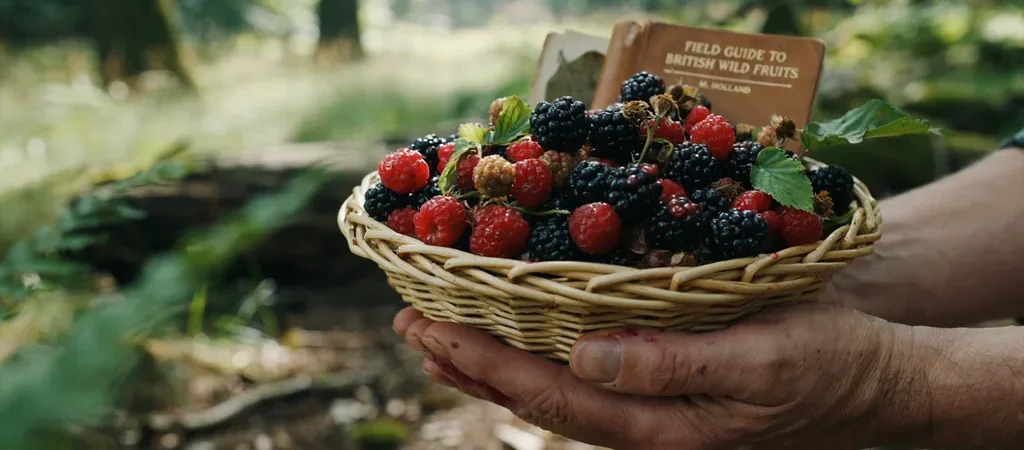
- Brambles (blackberries, raspberries): the perfect first forage — nothing dangerous resembles an aggregate berry on a thorny cane. Late summer, forest edges and old fields.
- Mulberries: distinctive trees, distinctive fruit, June abundance.
- Dandelion: yes, the lawn weed — young leaves for salad, flowers for fritters. Forage away from sprayed lawns and roadsides.
- Wild bergamot, spruce tips, violets: classic easy adds as your guidebook confidence grows.
- Each new species: eat a SMALL amount the first time — even correctly identified wild foods can disagree with individual stomachs.
What Beginners Should NOT Forage
- Mushrooms. Full stop. The deadly ones kill politely — tasty, delayed symptoms, liver failure. Mushroom foraging is learned in person, with local experts, over seasons — never from a blog (including this one) or an app.
- Wild carrot-family plants: poison hemlock mimics several edibles and is lethally unforgiving. Experts only.
- White berries (almost universally toxic) and anything near roadsides, railways, or treated fields (chemical uptake).
Rules and Ethics
- Know the land: national forests generally allow personal-use berry picking; national parks mostly prohibit removal; state lands vary — check first. Private land = permission.
- Take a third at most: leave plenty for wildlife and regrowth; never strip a patch.
- Harvest gently (berries picked, plants clipped — not uprooted) and stay on durable ground.
The One Purchase That Matters
A reputable REGIONAL field guide (with photos, look-alike warnings, and range maps) is the entire required kit — and worth ten apps:
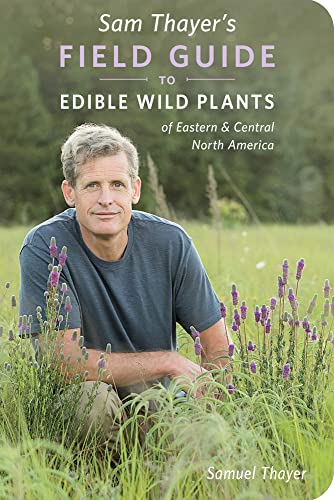

Berry-stained fingers on a summer trail is the gateway; from there the guidebook leads at whatever pace certainty allows. Pair it with our day-hike kit and wild water guide for full self-sufficiency energy — and again, because it matters: mushrooms wait until you have a mentor.
Frequently Asked Questions
What is the safest food to forage for beginners?
Start with unmistakable plants: blackberries, raspberries, dandelions, and acorns have no dangerous lookalikes in North America. Learn each new species from at least two reliable sources, and follow the golden rule: never eat anything you cannot identify with 100 percent certainty.
What is the number one rule of foraging?
Absolute identification before anything touches your mouth. ‘Probably right’ is not a standard that applies to wild mushrooms or parsley-family plants, where a mistake can be fatal. When in doubt, leave it out.
Is it legal to forage on public land?
It varies: national forests generally allow personal-use foraging of berries and mushrooms, national parks mostly prohibit it, and state rules differ widely. Check the specific land manager’s regulations, and never forage in posted or protected areas.
Written by Sarah Brooks · Hiking & National Parks
Sarah fell in love with the outdoors on a childhood trip to the Smokies and has logged thousands of trail miles across 30+ national parks since. She is happiest above treeline with a map in hand.