
Heads up: this post contains affiliate links. If you buy through them, WildMorrow may earn a small commission at no extra cost to you. As an Amazon Associate, we earn from qualifying purchases.
⚡ Quick Answer: Saltwater fishing for beginners: why you must rinse gear and buy saltwater-rated tackle, starting inshore, the bait and lures that work, reading tides and structure, and getting a license.
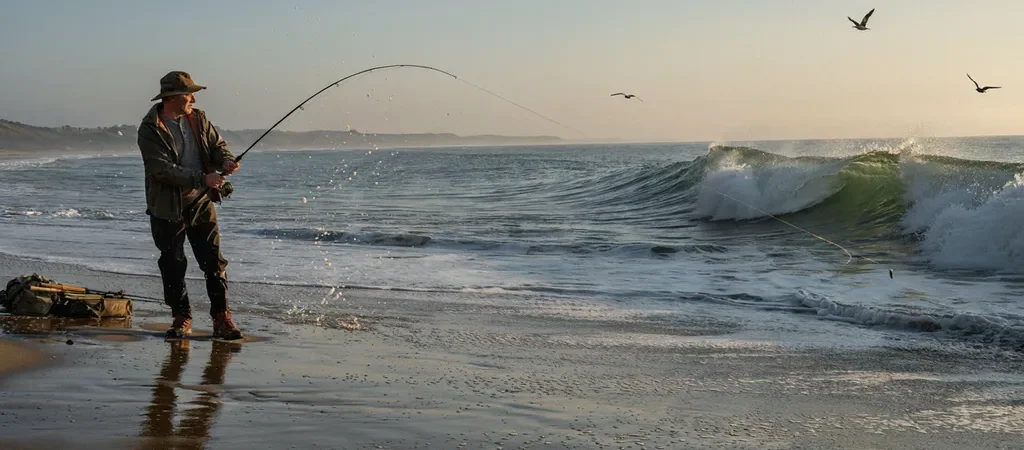
Saltwater fishing is freshwater fishing with the volume turned up: bigger fish, stronger fights, and the thrill of never quite knowing what’s on the end of your line. From a pier, a beach, a jetty, or a kayak, the ocean is the most exciting fishing there is, and you don’t need a boat or a fortune to start. Here’s how to get into saltwater fishing as a beginner.
The one rule that saves your gear: rinse everything
Salt is brutally corrosive and will destroy freshwater tackle fast. This shapes everything: buy reels and rods rated for saltwater (sealed, corrosion-resistant), and rinse every piece of gear with fresh water after every single trip. Skip this and your expensive reel seizes up within a season. It’s the number one lesson saltwater beginners learn the hard way.
Start inshore, not offshore
Forget deep-sea charters for now. Inshore fishing (bays, flats, piers, jetties, surf, and estuaries) is where beginners thrive: accessible from shore or a small boat, loaded with hard-fighting fish like redfish, speckled trout, flounder, and striped bass, and far more forgiving than the open ocean. A medium inshore spinning combo with 10 to 20 pound line covers most of it.

- UGLY STIK CARBON INSHORE 7′ SPINNING ROD AND REEL COMBO: Delivers the same trusted Ugly Stik toughness with precision ac…
- SIZE 40 FISHING REEL: Matched with a PENN Pursuit IV reel featuring a corrosion-resistant graphite body and machined and…
- Ugly Tech() construction featuring 100% 24-ton graphite for a lightweight and well-balanced rod. The premium cork foregr…

- Kit includes 6 Yo-Zuri inshore saltwater lures
- Proven performers in a variety of colors and styles
- Delivers a 25% value over buying them individually
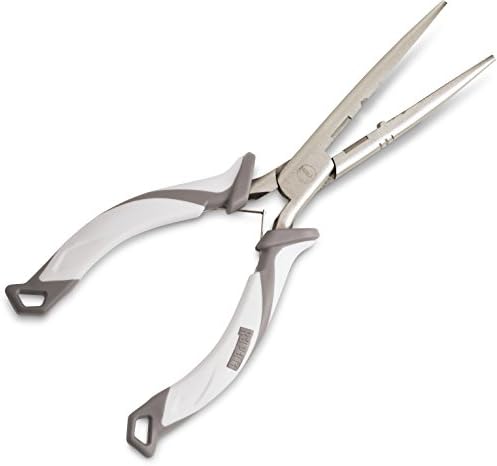
- Rapala Salt Angler’s Pliers: 8.5-inch fishing pliers designed for everyday rigging, hook removal, and line handling in f…
- Stainless Steel Construction: Corrosion-resistant stainless steel supports dependable performance in marine and outdoor …
- Integrated Side Cutter: Built-in cutting edge allows quick trimming of fishing line and leaders for efficient on-the-wat…
Bait and lures that catch saltwater fish
Live and cut bait (shrimp, mullet, and whatever’s local) is deadly and beginner-friendly, ask any bait shop what’s biting. Lures: soft-plastic paddle-tails on a jighead, spoons, and topwater plugs all produce inshore. A pair of corrosion-resistant pliers is essential for handling toothy saltwater fish and crimping, and a fish gripper keeps your hands safe.
Read the water and the tides
Tides rule saltwater fishing. Moving water (an incoming or outgoing tide) triggers feeding far more than slack water, so time your trips around tide changes (our best times to fish guide explains why). Look for structure and current: jetties, pilings, oyster bars, drop-offs, and the seams where currents meet. That’s where predators wait.
Get your license and go
Grab a saltwater fishing license (separate from freshwater in most states), check size and bag limits, and start from a pier or the surf where you can learn without a boat. Handle fish carefully, especially protected species, and pack out every scrap of line and trash. New to fishing entirely? Our beginner’s fishing guide covers the fundamentals, and the surf fishing guide is your next read.
Frequently Asked Questions
What is the easiest saltwater fishing for beginners?
Pier and jetty fishing: no boat, cheap bait rigs, constant action from whatever swims by, and neighbors happy to share local knowledge. Surf fishing is the natural next step, then inshore boat trips.
Do I need special gear for saltwater fishing?
Salt destroys freshwater gear, so use sealed, corrosion-resistant reels or rinse everything religiously with fresh water after every trip. A medium-heavy spinning combo, 20–30 pound braid, and a handful of bottom rigs start you fine.
What is the best bait for saltwater fishing?
Fresh shrimp is the universal answer — nearly everything in the ocean eats it. Squid stays on the hook better for casting, and cut bait draws bigger predators. Buy fresh at the local shop and ask what is biting; it is the best intel in fishing.

Written by Tom Rivera · Fishing & Hunting
Tom has spent four decades outdoors — on lakes, rivers, and treestands — and still fishes most weekends. These days his favorite catch is watching his grandkids reel in their first bluegill.