
Heads up: this post contains affiliate links. If you buy through one, we may earn a small commission at no extra cost to you. As an Amazon Associate, we earn from qualifying purchases.
⚡ Quick Answer: Pier fishing is the easiest way into saltwater angling — no boat needed. The simple setup, what you’ll catch, and pier etiquette for beginners.
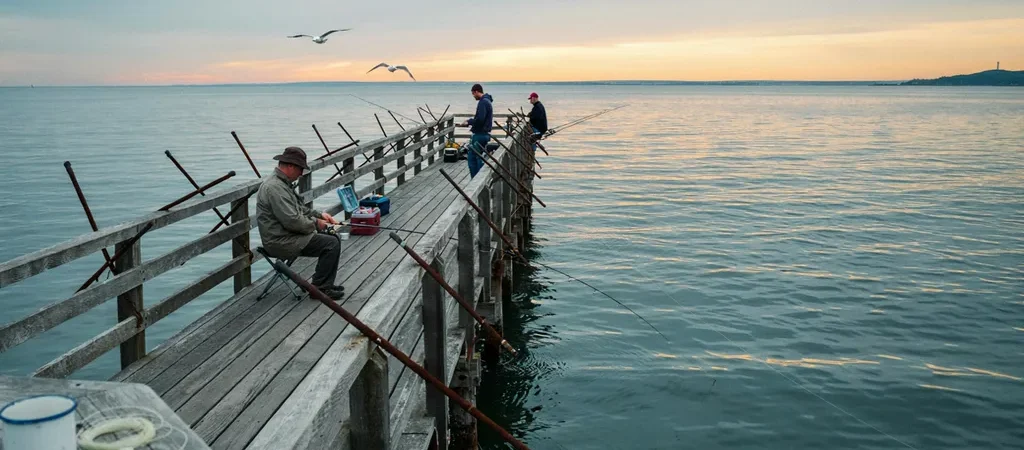
Pier fishing might be the friendliest way there is to get into saltwater angling. There’s no boat to launch, no long hike, and no expensive electronics — just walk out over the water, drop a line, and you’re fishing the same rich water the boats are chasing. It’s social, it’s forgiving, and it catches a surprising variety of fish. Here’s how to start.
Why Piers Are Perfect for Beginners
Piers reach past the breakers into deeper water where fish cruise for bait, so you get access to good water without a boat. They’re stable, usually have railings and lights, and often have a bait shop and other anglers happy to share what’s biting. Many public piers don’t even require a fishing license (always check your local rules), which makes them a low-commitment way to learn.
The Simple Pier Setup
Start with a medium-heavy spinning or casting combo around 7–9 feet — the extra length helps you cast over the rail and steer fish around pilings. A basic two-hook bottom rig (or a popular “high-low” rig) with a pyramid sinker covers most situations, and a hoop or drop net lets you land bigger fish you can’t lift straight up. Keep your tackle organized in a backpack so you can move down the pier to find the fish.

- 【Easy and Convenient to Carry】This all-in-one fishing kit includes a fishing rod, fishing reel, fishing line, and a box …
- 【Lightweight and Collapsible Fishing Rod】The Ghosthorn fishing rod is crafted from 30t carbon fiber, offering an excelle…
- 【High-Performance of Reel】Equipped with a 34.3 lbs drag system and 12+1 bearings, this fishing reel ensures smooth casti…
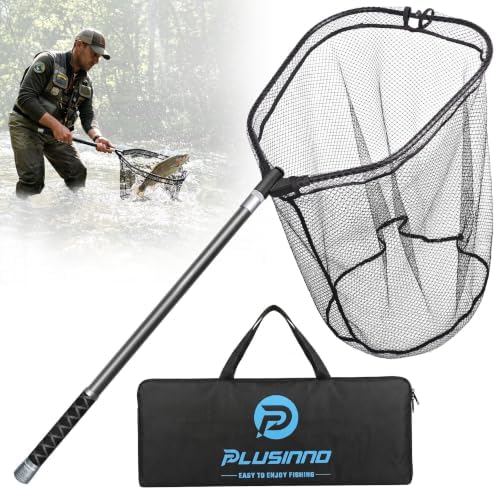
- Large Fishing Net for Maximum Catch: Designed for larger catches, this heavy duty landing net features an upgraded deep …
- High-quality Fishing Net with Handle: Made of epoxy fiberglass-style and carbon fiber cloth, this landing net handle is …
- Tangle-Free Fish Landing Net: Made with PVC-wrapped nylon mesh, this kayak fishing net is wear-resistant, corrosion-resi…

- Versatile Bag: The fishing bag is a multi-functional bag with numerous capabilities. The top section can conveniently st…
- Resilient & MOLLE System: This fishing tackle bag utilizes high-quality 600D polyester material, renowned for its resist…
- Comfortable Backpack System: The ergonomically designed back padding forms an “H”-shaped breathable channel, guaranteein…
What You Might Catch
It depends on your coast, but pier regulars land everything from croaker, spot, and whiting to flounder, mackerel, sheepshead, and the occasional striped bass or shark. Fresh cut bait, shrimp, and squid are the great all-purpose offerings. Fish the moving water around a changing tide, and pay attention to what the person netting fish next to you is using.
Pier Etiquette & Safety
- Give other anglers casting room and reel in if someone hooks a big fish crossing your line.
- Rinse fish blood and bait off the deck — it keeps the pier open to everyone.
- Watch the weather and lightning; a pier is an exposed place to be.
- Secure your gear so a rogue wave or a big fish doesn’t pull your rod over the rail.
New to fishing entirely? Start with our beginner’s guide to fishing, then browse the full kit in our Best Fishing Gear roundup.
Frequently Asked Questions
What do you need for pier fishing?
A medium spinning combo, a small tackle box with hooks, sinkers, and a couple of rigs, plus bait — shrimp, squid, or cut bait cover most piers. A bucket, rag, and pliers complete the kit. Many piers rent gear and sell bait on site.
What is the best rig for pier fishing?
A two-hook bottom rig (hi-lo rig) with a pyramid sinker is the pier standard: it keeps bait near the bottom where most species feed and doubles your chances. Ready-tied versions cost a couple of dollars at any coastal tackle shop.
Do I need a fishing license to fish from a pier?
It depends: many public piers carry a blanket license that covers everyone fishing on them, while others require your own saltwater license. Check the pier’s posted rules or the state wildlife agency before you cast.

Written by Tom Rivera · Fishing & Hunting
Tom has spent four decades outdoors — on lakes, rivers, and treestands — and still fishes most weekends. These days his favorite catch is watching his grandkids reel in their first bluegill.