
Heads up: this post contains affiliate links. If you buy through one, we may earn a small commission at no extra cost to you. As an Amazon Associate, we earn from qualifying purchases.
⚡ Quick Answer: How to find water in the wild — reading terrain, vegetation, and wildlife — and make it safe with boiling, filters, and tablets, plus the desert rule most people get backwards.
You can survive weeks without food but only about three days without water — and in real conditions (heat, exertion, stress) you’ll be in trouble far sooner. If you’re ever stuck out longer than planned, knowing how to find water and make it safe to drink is arguably the most valuable survival skill there is. Here’s the practical version.
Where to Find Water
- Go downhill and listen. Water obeys gravity: valleys, ravines, and the bases of slopes collect it. Moving water is often audible hundreds of yards away in quiet country.
- Follow the green. A ribbon of lush vegetation across a dry hillside traces a stream or spring. Cottonwoods and willows in the West are near-certain water markers.
- Watch animals. Game trails converging, birds flying low and direct at dawn/dusk, and insect swarms all point to water.
- Collect from the sky: rain caught in a tarp or poncho, and morning dew wiped from grass with a cloth and wrung out, are clean sources that need no treatment.
- In snow country: melt it first — eating snow burns core heat and dehydrates you further. Melt over fire, or in a bottle inside your jacket.
Make It Safe: The Hierarchy
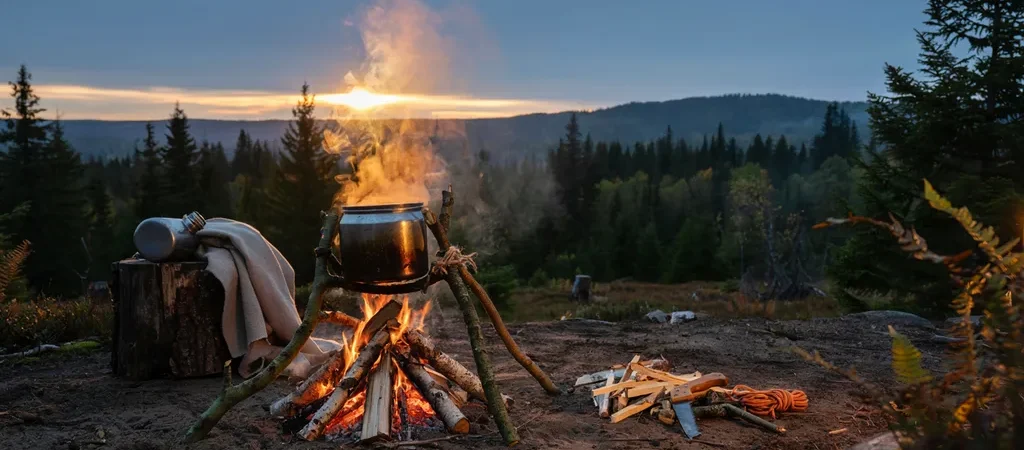
- Boiling — the gold standard. A rolling boil for 1 minute (3 at high altitude) kills bacteria, viruses, and parasites. If you have fire and any metal container, you have purification.
- Filters (squeeze or straw) remove bacteria and parasites instantly — this is why a water filter belongs in every pack, even on day hikes.
- Purification tablets weigh nothing and kill nearly everything, including viruses, in 30–40 minutes. The perfect backup layer.
- No treatment available? Choose the best source you can (clear, moving, upstream of activity) and drink anyway if you’re in genuine trouble — dehydration will hurt you in days; most waterborne illness takes a week or more, and it’s treatable. Survive first.
Choosing the Best Source
- Moving beats standing; clear beats cloudy; upstream beats downstream.
- Avoid water below camps, pastures, or beaver ponds when you have options.
- Let silty water settle (or strain through a bandana) before filtering — grit kills filters.
- Springs emerging straight from rock are the best wild water there is — still treat it if you can.
Ration Sweat, Not Water
An old desert rule: the water does you no good in the bottle. Drink when thirsty, and instead ration effort — travel in the cool hours, rest in shade, breathe through your nose. People have been found dead of dehydration with water still in their canteens.
Carry the tools and this is a non-event: a filter, a few tablets, and a metal container cover every scenario for a few dollars and a few ounces. See our water filter guide, survival kit essentials, and what to do if you’re lost.
Recommended Gear

- Removes Bacteria & Parasites: The Microfiltration Membrane Removes 99.999999% of Waterborne Bacteria (Including E. Coli …
- Removes Microplastics: Removes the Smallest Microplastics Found in the Environment (Down to 1 Micron), and Reduces Turbi…
- Rigorous Testing: All Claims Are Verified with Laboratories Using Standard Testing Protocols Set by the US EPA, NSF, AST…
- They deliver long-lasting results, reducing the need for frequent maintenance.
- Easy to use.
- Changes will be noticeable in a few days.

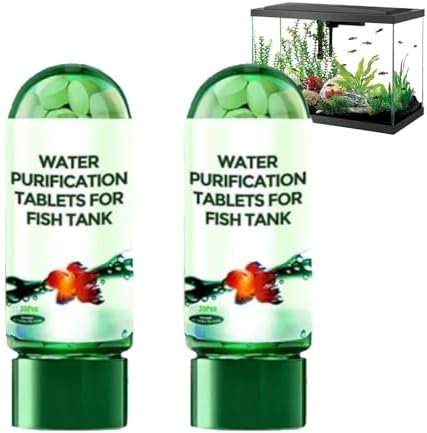
- ★★ Water purification tablets that quickly and reliably purify drinking water on-demand. Widely used by Disaster relief …
- ★★ Portable water treatment tablets used by military and emergency organizations worldwide and are ideal as backpacking …
- ★★ The tablets are small and easily fit into camping backpacks, emergency preparedness kits, and disaster relief packs…..
Frequently Asked Questions
How do you find water in the wilderness?
Go downhill — water obeys gravity: valley bottoms, green vegetation lines, and the sound of flow. Morning dew, rock catchments in dry country, and following animal trails at dawn also work. Collect from moving water over stagnant every time.
What is the safest way to purify found water?
A rolling boil for one minute (three at altitude) kills everything biological and needs no gear but a container and fire. Filters handle bacteria and protozoa; add chemical tablets for viruses when in doubt. Filter cloudy water through fabric first.
Can you drink from a mountain stream without treating it?
Do not — even crystal-clear alpine water can carry giardia from wildlife upstream. The gamble costs a week of misery against sixty seconds of treatment. Beautiful and clean are not the same claim.
Written by Jake Miller · Camping & Gear
Jake grew up pitching tents before he could drive and has spent 15+ years camping, car-camping, and gear-testing his way across the country. If it can be cooked over a fire or packed into a trunk, he has an opinion on it.