
Heads up: this post contains affiliate links. If you buy through one, we may earn a small commission at no extra cost to you. As an Amazon Associate, we earn from qualifying purchases.
⚡ Quick Answer: If you get lost hiking, STOP: Stop moving, Think, Observe, and Plan. Do not wander, which only makes you harder to find. Stay put if you cannot confidently retrace your steps, keep warm, make yourself visible, and signal for help in threes. Most lost hikers are found quickly when they stay calm and stay put.
The moment you realize you are lost sends a jolt of fear, and that fear is exactly what you must manage first. Panic burns energy and leads to bad decisions like crashing downhill into thick brush. The hikers who come home safe are the ones who slow down and work the problem. Here is a clear plan for what to do if you get lost on the trail.
Follow the STOP Rule
- Stop: the instant you feel lost, stop moving. Continuing usually makes things worse and takes you farther from your known route.
- Think: how long since you were sure of your location? What landmarks do you remember? Do not act until you have thought it through.
- Observe: check your map, your surroundings, and any trail signs or footprints. Look for familiar features that fix your position.
- Plan: decide on a course of action based on what you know, and only move if you have a good reason and a clear destination.
Decide: Retrace or Stay Put
If you can confidently identify the way you came and retrace your steps to a known point, do so carefully. If you cannot, the safest choice is almost always to stay where you are. A stationary person is far easier to find than a moving one, and wandering scatters your tracks and drains your energy. This is especially true for children, who should be taught to hug a tree and wait.
Make Yourself Findable
Help searchers by being visible and audible. Move to a nearby open area like a clearing or ridge if it is safe, wear or lay out bright clothing, and signal in threes, which is the universal call for help: three whistle blasts, three shouts, or three flashes of light, repeated. A whistle carries far longer than your voice and saves your energy, so keep one on your pack at all times.
Stay Warm and Hydrated
Exposure is a bigger danger than hunger on most trips. Put on your layers before you get cold, get out of wind and rain, and insulate yourself from the ground with a pad, pack, or pile of leaves. Ration water sensibly but keep drinking, and build a simple shelter if night is coming. Staying warm and calm buys you the time rescuers need.
Use Your Phone Wisely
Even without signal, a phone can help. Try texting rather than calling, since a text can slip through on a weak signal. Move to higher ground for a moment to search for a bar, then conserve battery by switching to airplane mode between attempts. A dedicated satellite messenger or personal locator beacon is the surest way to call for help beyond cell range, and it is worth carrying in remote country.
Prevention Is the Best Cure
Before every hike, tell someone your route and expected return time, carry a map, compass, whistle, extra layers, and a headlamp, and turn back if the way becomes unclear. Most lost-hiker stories end well because the hiker stayed calm and stayed put. Plan ahead, keep your head, and the odds are strongly on your side.
Recommended Gear

- ESSENTIALS FOR EMERGENCY: Everything you need is in this first aid kit! Our kit includes over 150 professional-grade med…
- PORTABLE DESIGN: 6.4″ x 4.9″ x 2.7″ compact size, 0.73 lbs lightweight, features a compact, travel-friendly design, Prem…
- SMART AREA CLASSIFICATION DESIGN: We’ve separated the whole emergency bag into small independent compartments, which is …

- ✅【72 Hours for 2 People, STORM II Emergency Survival Kit】STORM II EMERGENCY KIT was designed and hand-picked by survival…
- ✅【Water & Food Approved by U.S. Coast Guard, Water Filtration Tablets】 24 Packs of 125ML Emergency Drinking Water and 2 …
- ✅【First Aid Essential, CAT Tourniquet for Bleeding Control】200 Pieces comprehensive medical supplies and CAT tourniquet …
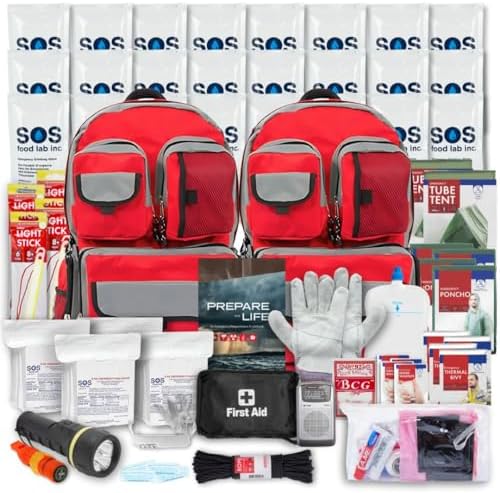
- ✅【Compact Design】: Featuring a compact and lightweight 19″x15″x10″ design, this backpack kit ensures effortless mobility…
- ✅【Discreet Design】: Crafted for disaster preparedness, our survival backpack features a discreet design, allowing you to…
- ✅【Long Lasting 5 year shelf life】: USA made SOS brand food rations and water are US Coast Guard approved, have a 5-year …
Frequently Asked Questions
What should you do first if you get lost hiking?
Stop moving and stay calm. Follow the STOP rule: Stop, Think, Observe, and Plan. Continuing to walk usually makes things worse and takes you farther from your route. Give yourself a moment to think clearly before you do anything, because panic leads to bad decisions.
Should you stay put or keep moving if lost?
If you cannot confidently retrace your steps to a known point, the safest choice is almost always to stay where you are. A stationary person is much easier for rescuers to find, and wandering scatters your tracks and drains your energy. This is especially important to teach children.
How do you signal for help when lost?
Use the universal distress signal of three: three whistle blasts, three shouts, or three flashes of light, repeated at intervals. A whistle carries far farther than your voice and saves energy, so keep one on your pack. Move to an open area, wear bright colors, and stay visible from the air.

Written by Sarah Brooks · Hiking & National Parks
Sarah fell in love with the outdoors on a childhood trip to the Smokies and has logged thousands of trail miles across 30+ national parks since. She is happiest above treeline with a map in hand.