
Heads up: this post contains affiliate links. If you buy through one, we may earn a small commission at no extra cost to you. As an Amazon Associate, we earn from qualifying purchases.
⚡ Quick Answer: Sun-protective (UPF 50+) clothing beats sunscreen for all-day coverage — it never sweats off, never needs reapplying, and covers the spots you always miss. Prioritize a long-sleeve UPF sun shirt and a wide-brim hat; add a neck gaiter and sun gloves for exposed desert, water, and snow days. Cover up smartly and you barely need sunscreen at all.
Sunburn is not just a bad afternoon — it is the outdoor injury with the longest tail, and the exposed miles add up over a lifetime of trips. The easiest, most reliable protection is not a bottle you reapply every two hours; it is clothing that blocks UV all day. Here is how to build a smart sun-protection kit.
Why Clothing Beats Sunscreen
- It never fails: a UPF 50 shirt blocks ~98% of UV, all day, no reapplication, no sweating off, no missed spots.
- It is cooler than you think: modern sun shirts are lightweight and often FEEL cooler than bare skin in direct sun (shade plus airflow beats radiant heat).
- It saves money and hassle: cover up and you only need sunscreen on hands, face, and neck gaps.
- Look for UPF 50/50+ on the label — it is a tested rating, unlike a random T-shirt (a wet white cotton tee blocks almost nothing).
The Core Kit
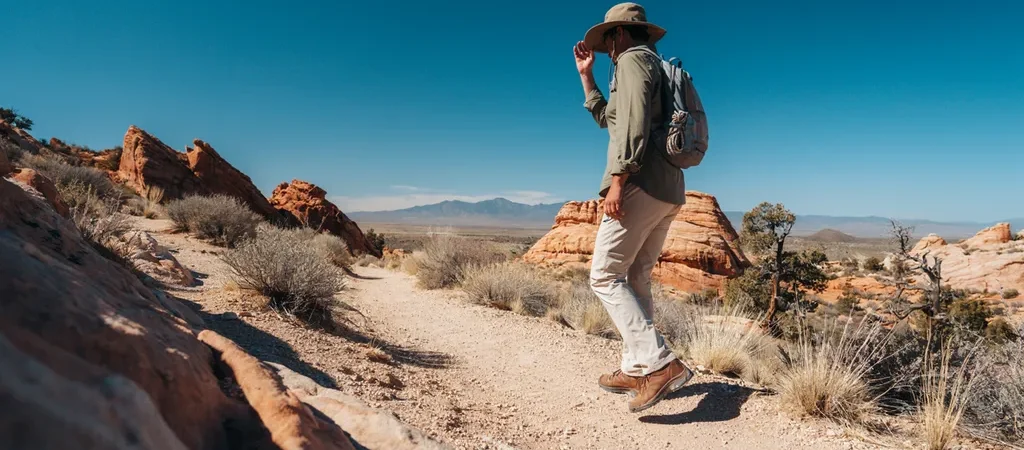
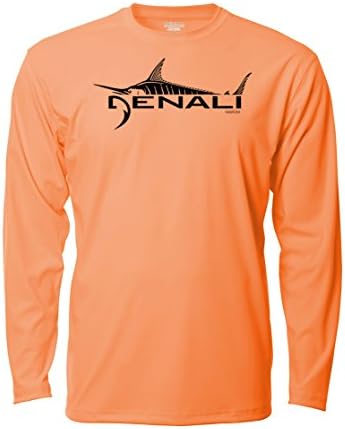
A long-sleeve UPF sun shirt and a real wide-brim hat do 80% of the work:


Add These for High-Exposure Days
- Neck gaiter / sun hoody: the ears and back of the neck are the most-missed, most-sunburned spots — a gaiter or hooded sun shirt solves both.
- Sun gloves: paddlers, anglers, and long-day hikers get fried backs-of-hands; fingerless sun gloves fix it.
- Wide brim over a ball cap: a 3-inch brim shades ears and neck that a baseball cap leaves exposed.
- Polarized sunglasses: UV protection for your eyes, and they cut glare on water and snow (see our water-reading guide).
Do not Skip Sunscreen Entirely
Clothing covers the covered parts; sunscreen handles the rest. Use a broad-spectrum SPF 30+ on face, ears, neck, and hands, and reapply on long days. Remember the sneaky exposure multipliers: altitude (UV rises ~10% per 1,000 ft), water and snow (reflection doubles your dose), and cloudy days (UV still gets through). Desert and alpine trips demand the most coverage — see our desert hiking and heat safety guides.
Sun protection is the cheapest longevity insurance in the outdoors. Cover up, shade the trip’s exposed hours, and your future skin will thank you. Round out the kit with our hydration guide for hot, exposed days.
Frequently Asked Questions
Does sun protection clothing really work?
Yes. Clothing with a UPF rating blocks a measured amount of UV, and a UPF 50 garment blocks about 98 percent of UV rays. Unlike sunscreen, it does not wear off, rub off, or need reapplying, which makes it one of the most reliable ways to protect your skin on long days outdoors.
What does UPF mean?
UPF stands for Ultraviolet Protection Factor and measures how much UV radiation a fabric blocks. A UPF of 30 blocks about 97 percent of UV, and UPF 50 blocks about 98 percent. Look for a UPF rating of 30 or higher for solid everyday sun protection.
What should I look for in sun protection clothing?
Look for a UPF rating of 30 to 50 plus, lightweight breathable fabric that wicks sweat, and coverage where you need it, such as long sleeves, collars, and wide-brim hats. Loose, light-colored, tightly woven fabrics keep you cooler while still blocking the sun.
Written by Sarah Brooks · Hiking & National Parks
Sarah fell in love with the outdoors on a childhood trip to the Smokies and has logged thousands of trail miles across 30+ national parks since. She is happiest above treeline with a map in hand.