
Heads up: this post contains affiliate links. If you buy through one, we may earn a small commission at no extra cost to you. As an Amazon Associate, we earn from qualifying purchases.
⚡ Quick Answer: The best base layer is merino wool for most people — it regulates temperature, resists odor over multi-day trips, and stays warm when damp. Synthetics cost less, dry faster, and suit high-output activity. Match the weight to conditions (lightweight for active, midweight for cold), and never wear cotton against your skin in cool weather.
Your base layer is the most important clothing decision in cold weather — it sits against your skin, manages sweat, and sets up everything you layer over it. Get it right and you stay warm and dry; get it wrong (cotton) and you get cold and clammy. Here is how to choose, and the pieces worth owning.
Merino Wool vs. Synthetic
- Merino wool: nature’s technical fabric — warm when wet, temperature-regulating across a huge range, and naturally odor-resistant (wear it for days). Softer than you expect; pricier and slower to dry.
- Synthetic (polyester/blends): cheaper, tougher, and dries fastest — ideal for high-sweat activity like ski touring and hard hikes. The trade-off is odor: synthetics get funky fast.
- The honest verdict: merino for multi-day trips, travel, and everyday cold; synthetic for sweaty single-day efforts and budgets. Many people own one of each.
Choosing the Right Weight
- Lightweight (150g): aerobic activity, cool weather, or as a next-to-skin layer under heavier pieces.
- Midweight (200–260g): the do-everything choice for cold-weather hiking, camping, and daily winter wear.
- Heavyweight (300g+): deep cold and low-output activities like ice fishing, hunting sits, and sledding.
Top Base Layers
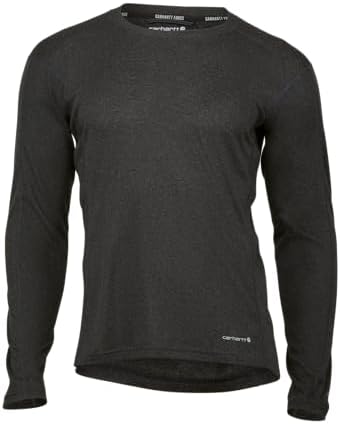
A quality merino top for versatility and a synthetic set for value and fast-drying performance:


How to Wear Them
- Snug, not tight: base layers work by trapping a thin layer of warm air against your skin — loose fabric can’t wick.
- Base is layer one of the system: base + insulation + shell. Our layering guide covers the full stack.
- Strip before you sweat on climbs; a soaked base layer is the fast track to a chill (see hypothermia).
- Sleep in a dry set: a dedicated base layer reserved for the sleeping bag is a camping game-changer (why).
Care Notes
Wash merino inside-out on cold/gentle, skip fabric softener (it clogs the fibers), and air dry — treated well, quality merino lasts years. Synthetics tolerate more abuse but benefit from an occasional sport-wash to fight odor. Pair your base layers with the right socks and winter traction for cold-season trips.
Frequently Asked Questions
What is the best material for base layers?
Merino wool and synthetics are the top choices. Merino wool wicks moisture, resists odor, and stays warm even when damp, while synthetics dry faster and cost less. Both beat cotton, which soaks up sweat and chills you. Choose merino for odor control and warmth, synthetics for high-output activity.
How should a base layer fit?
A base layer should fit snugly against your skin without being restrictive, so it can wick moisture effectively and trap a thin layer of warm air. A loose base layer cannot move sweat off your skin as well. Look for flat seams to prevent chafing under packs and other layers.
What weight base layer do I need?
Lightweight base layers suit high-output activity and mild cold, midweight is the versatile all-around choice, and heavyweight is for serious cold and low activity. Match the weight to how cold it is and how hard you will be working, and layer up rather than relying on one very thick piece.

Written by Sarah Brooks · Hiking & National Parks
Sarah fell in love with the outdoors on a childhood trip to the Smokies and has logged thousands of trail miles across 30+ national parks since. She is happiest above treeline with a map in hand.