
Heads up: this post contains affiliate links. If you buy through them, WildMorrow may earn a small commission at no extra cost to you. As an Amazon Associate, we earn from qualifying purchases.
⚡ Quick Answer: The no-jargon guide to dressing for the outdoors: the three-layer system, why cotton is the enemy, dressing for the second mile, and protecting your extremities.
There’s a saying in the outdoors: “There’s no bad weather, only bad clothing.” It’s annoying because it’s true. The person shivering and cutting the hike short and the person cheerfully hiking through the same drizzle are usually separated by one thing: they got dressed differently. Here’s the layering system that keeps you comfortable in almost any conditions, minus the jargon.
The three-layer system, explained like a human
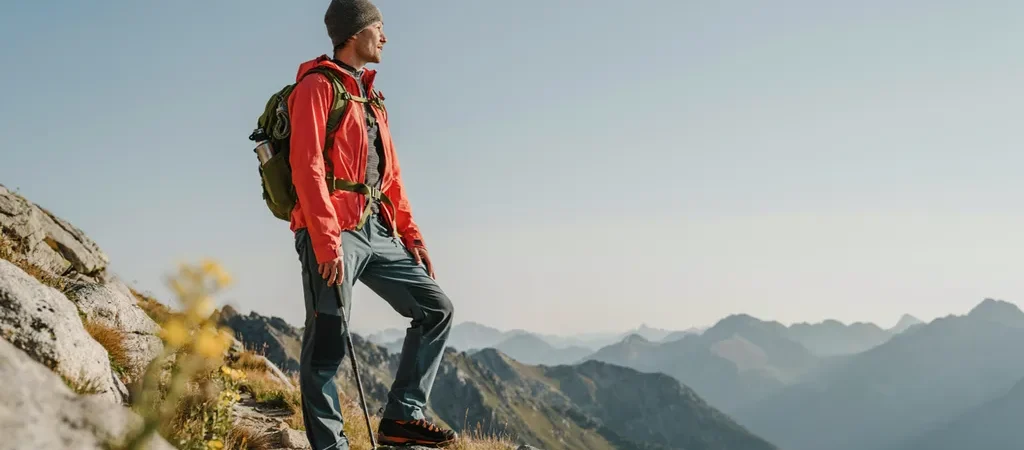
Think of outdoor clothing as three jobs, not a pile of random clothes. Base layer (against your skin): moves sweat away so you don’t get cold and clammy. Mid layer (the middle): traps warm air, like a fleece or puffy. Shell layer (outside): blocks wind and rain. You add and remove layers as conditions change, staying comfortable across a huge range of weather with the same small kit.
Rule #1: cotton is the enemy
This is the one to tattoo on your brain. Cotton soaks up sweat and rain, stops insulating, and chills you dangerously (hypothermia’s nickname is literally tied to wet cotton). Choose merino wool or synthetics for anything touching your skin. Merino is the MVP: it’s warm even when damp, naturally fights odor, and works from base layers to socks.


Dress for the second mile, not the parking lot
The classic mistake is bundling up warm at the trailhead, then sweating buckets ten minutes in (and sweat-soaked layers make you cold later). Start slightly cool, knowing you’ll warm up as you move. Shed a layer before you’re drenched, add one before you’re chilled. Managing your layers actively is the whole skill.
Don’t forget the extremities
A huge share of comfort comes from small items: a warm hat (you really do lose heat from an uncovered head in cold), a sun hat and sunglasses in heat, gloves, and quality socks. And always, always pack a rain shell even when the sky looks perfect; mountain weather changes in minutes, and a packable poncho weighs nothing in the bottom of your pack.


Get the system, forget the weather
Once layering clicks, you stop checking the forecast with dread and start heading out in almost anything. Put it to work on your next day hike, keep it going into cold-weather camping, and round out your kit from the best hiking gear list.
Frequently Asked Questions
What should you not wear hiking?
Cotton, especially against your skin. Wet cotton — from sweat or rain — loses all insulation and chills you dangerously fast. Skip jeans, cotton hoodies, and cotton socks in favor of wool or synthetics that insulate when damp.
What is the three-layer system?
A wicking base layer moves sweat off your skin, an insulating mid layer (fleece or puffy) traps heat, and a shell blocks wind and rain. The power is in adjusting: shed and add layers constantly so you are never soaked or shivering.
How should I dress for a cold-morning hike?
Start slightly cool — ‘be bold, start cold’ — because you warm up within ten minutes of walking. Carry the warm layer and put it on at breaks instead of sweating through it on the climb.

Written by Sarah Brooks · Hiking & National Parks
Sarah fell in love with the outdoors on a childhood trip to the Smokies and has logged thousands of trail miles across 30+ national parks since. She is happiest above treeline with a map in hand.