
Heads up: this post contains affiliate links. If you buy through them, WildMorrow may earn a small commission at no extra cost to you. As an Amazon Associate, we earn from qualifying purchases.
⚡ Quick Answer: A first-timer guide to hiking below the Grand Canyon rim: Bright Angel vs South Kaibab, the upside-down mountain rule, heat safety, and what to pack.
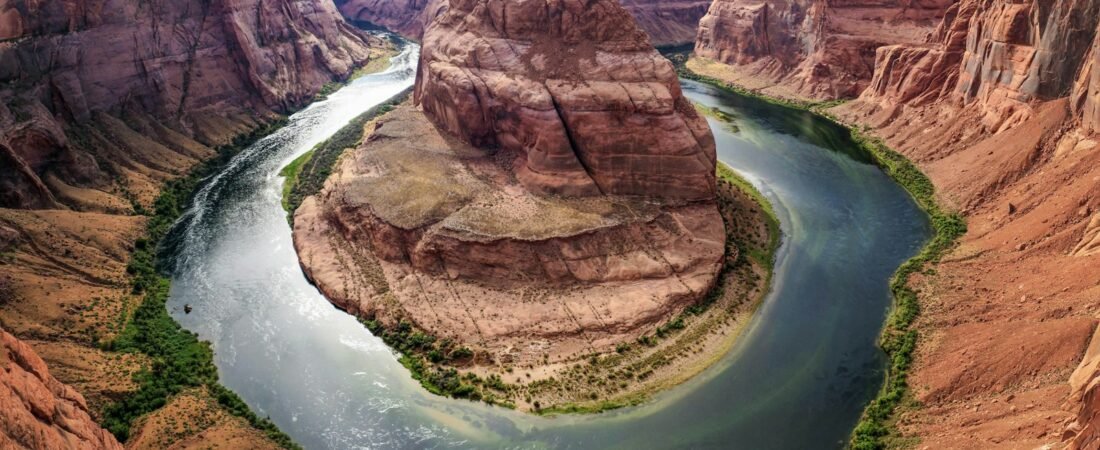
Your first look over the Grand Canyon rim rewires something in your brain. Photos flatten it; standing there, a mile of layered rock drops away under your boots and the far rim sits ten miles across a hole the Colorado River spent six million years carving. Then comes the question every first-timer asks: can I hike down into that? Yes, carefully. Here’s how.
First rule: the canyon is an upside-down mountain
Every normal hike frontloads the work; the canyon reverses it. You descend fresh and climb out tired, in heat that intensifies as you drop. Rangers put it perfectly: down is optional, up is mandatory. Whatever turnaround time you set, honor it like a flight departure.
Bright Angel Trail: the smart first descent
The canyon’s classic corridor trail has graded switchbacks, shade pockets, and rest houses at 1.5 and 3 miles (seasonal water, check ahead). Mile-and-a-half Resthouse makes a perfect first taste: about 3 miles round trip and 1,100 feet of climbing back out. Three-Mile Resthouse is a full, satisfying day for most first-timers.
South Kaibab Trail: the view machine
Built on a ridgeline instead of tucked in a side canyon, South Kaibab serves panoramas the whole way. Ooh Aah Point (1.8 miles round trip, and yes that’s the real name) is the best view-per-step ratio in the park. No water on this trail, ever: carry everything.
What NOT to do
Do not attempt rim-to-river-and-back in one day, especially May through September; inner-canyon temps run 20+ degrees hotter than the rim and the park performs hundreds of heat rescues a year. Don’t chase sunset down a trail without a headlamp. And don’t skip breakfast: the climb out burns fuel like a furnace.
Gear notes for canyon hiking
Desert rules apply, doubled. Electrolytes and salty snacks matter as much as water. Sun protection is structural, not cosmetic. Trekking poles save your knees on the descent and become handrails on the way up.

- Be prepared for anything: BAND-AID Brand Travel Ready First Aid Kit delivers an assortment of 80 pieces of first aid ess…
- Mini travel size first aid kit: Refill this compact, portable kit with your selection of first aid supplies for medicine…
- Emergency kit essentials: Consider BAND-AID Brand as your option for first aid needs; Survival kit includes cleansing wi…


- LIGHTWEIGHT, VERSATILE DESIGN: Built for hikers, runners, and mountain travelers who need reliable, compact support. Com…
- ADJUSTABLE Z-POLE TECHNOLOGY: Hybrid construction merges the quick-deploying Z-Pole system with FlickLock adjustability …
- DURABLE ALUMINUM CONSTRUCTION: High-strength aluminum shafts deliver durability and dependability for trail runs, scramb…
Make it a trip
Sunrise at Mather Point, morning hike below the rim, afternoon on the Rim Trail with ice cream. That’s a perfect canyon day one. Compare it with the other giants in our best hiking parks ranking, and pack via the day hike checklist.
Frequently Asked Questions
Can a beginner hike the Grand Canyon?
Yes, with honest expectations. Day-hike partway down a maintained corridor trail like Bright Angel — the rest stops make natural turnaround points. Do not attempt rim-to-river-and-back in one day; even fit hikers get in trouble doing that.
How much water do you need hiking the Grand Canyon?
Plan on at least a liter per hour of uphill hiking in warm weather. Check which water stations are running on the Bright Angel Trail before you start, carry the ability to treat water, and drink before you feel thirsty.
What is the biggest mistake first-time Grand Canyon hikers make?
Going down too far because the descent feels easy. The climb out takes roughly twice as long, in hotter conditions, on tired legs. Budget one-third of your time and energy for going down and two-thirds for coming back up.
Written by Sarah Brooks · Hiking & National Parks
Sarah fell in love with the outdoors on a childhood trip to the Smokies and has logged thousands of trail miles across 30+ national parks since. She is happiest above treeline with a map in hand.