
Heads up: this post contains affiliate links. If you buy through one, we may earn a small commission at no extra cost to you. As an Amazon Associate, we earn from qualifying purchases.
⚡ Quick Answer: The best winter hikes in the US range from snowy trails in the Great Smoky Mountains and Rocky Mountain National Park to mild desert hikes in Zion, Joshua Tree, Big Bend, and Death Valley. Winter brings solitude and crisp air up north, and comfortable temperatures in the desert parks that bake in summer.
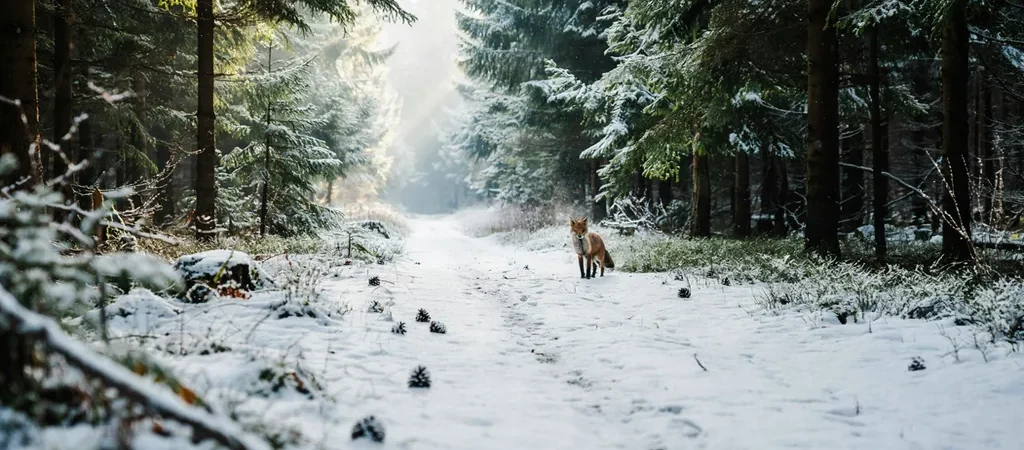
Winter is a magical and underrated time to hike. Snowy landscapes turn familiar trails into quiet wonderlands, and the desert parks that are brutally hot in summer become perfectly comfortable. With the right layers and a bit of planning, cold-season hiking rewards you with solitude, crisp air, and scenery you will not see any other time of year. Here are some of the best winter hikes in the US.
Zion, Utah
Winter is a wonderful time to visit Zion, when crowds thin, the red cliffs may be dusted with snow, and temperatures are cool but comfortable for hiking. Lower trails like the Watchman and the paved Pa’rus Trail are usually accessible, offering the park signature scenery in peaceful conditions. Always check trail status, since higher and shadier routes can be icy.
Joshua Tree, California
The desert truly shines in winter. Joshua Tree offers mild daytime temperatures perfect for exploring its otherworldly rock formations and namesake trees, when summer heat would make the same hikes dangerous. Trails like Hidden Valley and Barker Dam are easy, scenic, and ideal for a cool-season day out under big desert skies.
Big Bend, Texas
Remote Big Bend National Park is at its best in the cooler months, with comfortable temperatures for hiking among its mountains, desert, and the Rio Grande. Winter lets you tackle trails that would be punishing in summer heat, all in a vast, quiet landscape known for spectacular dark night skies. It rewards those willing to travel off the beaten path.
Death Valley, California
The hottest place on Earth in summer becomes a superb hiking destination in winter, with pleasant temperatures and dramatic scenery. Explore sand dunes, colorful badlands, and canyons when the weather is mild and inviting. Winter is the season to experience this extreme landscape safely and comfortably, with far less risk of heat danger.
Snowy Trails Up North
- Great Smoky Mountains: quiet, frosted forests and waterfalls, with lower-elevation trails often accessible in winter.
- Rocky Mountain National Park, Colorado: classic snowshoeing and winter hiking around frozen alpine lakes.
- Acadia, Maine: crisp coastal trails and carriage roads that turn peaceful and beautiful under snow.
- White Mountains, New Hampshire: a serious winter hiking destination for well-prepared and experienced hikers.
Hike Smart in Winter
Winter hiking demands extra preparation. Dress in warm layers, carry traction devices like microspikes for ice and snowshoes for deep snow, and pack extra food, water, and an emergency layer. Days are short, so start early and carry a headlamp, and always check trail and weather conditions before you go. Prepare well, and the cold season offers some of the most rewarding hiking of the year.
Recommended Gear

- ULTRALIGHT TRACTION REDEFINED: Over 43% lighter than the original, MICROspikes Ghost trades steel chains for durable the…
- HYBRID ELASTOMER HARNESS WITH REINFORCED EYELETS: An innovative design combines durable TPR at the toe and flexible ther…
- ADDITIONAL PREMIUM FEATURES: Articulating rivets create a rock-solid connection while allowing spikes to move independen…

- BEST FOR: Winter hiking, backpacking, ice-trekking, ice fishing and trail-running. The MICROspikes are designed for all-…
- SPIKE DESIGN: 12 heat-treated stainless-steel corrosion resistant spikes per foot. 8 spikes at the forefoot, and 4 spike…
- ELASTOMER HARNESS & REINFORCED EYELETS: Using a patented eyelet design, tough TPU inserts reinforce key stress points, a…

- BEST FOR: Winter hiking, backpacking, and trail-running. EXOspikes footwear traction are designed to be lightweight and …
- SPIKE DESIGN: 12 spikes per foot deliver three levels of optimal traction. Tungsten carbide tips bite into icy terrain, …
- ADDITIONAL FEATURES: Industry-first TPU Traction Matrix is extremely durable and more abrasion resistant than steel. Ope…
Frequently Asked Questions
Where can you hike in the winter in the US?
The desert parks shine in winter, including Zion, Joshua Tree, Big Bend, and Death Valley, where summer heat gives way to comfortable temperatures. For snowy scenery, try the Great Smoky Mountains, Rocky Mountain National Park, and Acadia, where lower trails are often accessible with the right traction.
Is it safe to hike in winter?
Winter hiking is safe with the right preparation. Dress in warm layers, carry traction devices like microspikes for ice and snowshoes for deep snow, and pack extra food, water, and an emergency layer. Days are short, so start early and carry a headlamp, and always check trail and weather conditions before you go.
What should you wear for winter hiking?
Layer with a moisture-wicking base, an insulating mid layer, and a weatherproof shell, and add a warm hat, gloves, and wool socks. Waterproof boots and gaiters keep your feet dry in snow. Avoid cotton, carry traction devices for ice, and bring extra insulation in case you stop moving.
Written by Sarah Brooks · Hiking & National Parks
Sarah fell in love with the outdoors on a childhood trip to the Smokies and has logged thousands of trail miles across 30+ national parks since. She is happiest above treeline with a map in hand.