
Heads up: this post contains affiliate links. If you buy through one, we may earn a small commission at no extra cost to you. As an Amazon Associate, we earn from qualifying purchases.
⚡ Quick Answer: To layer for cold weather, use three layers: a moisture-wicking base layer against your skin, an insulating mid layer such as fleece or down to trap warmth, and a weatherproof shell to block wind and rain. Add or shed layers as you warm up or cool down to avoid sweating and chilling.
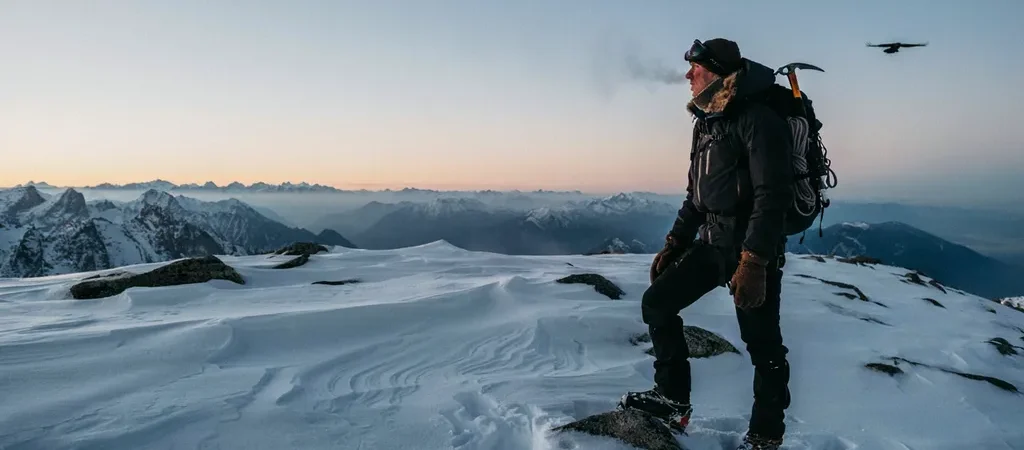
Cold-weather comfort is not about wearing the single thickest coat you own. It is about a system of layers you can adjust as your effort and the weather change. Done right, layering keeps you warm on the summit and dry on the climb, and it lets you fine-tune your temperature all day. Here is how the three-layer system works and how to use it.
The Base Layer: Manage Moisture
The layer against your skin has one main job: move sweat away from your body so you stay dry. Wet skin loses heat fast, which is why cotton is a poor choice, as it soaks up moisture and stays wet. Choose merino wool or synthetic base layers, which wick sweat and keep insulating even when damp. Pick a weight to match the conditions, from lightweight for high-output days to heavyweight for deep cold.
The Mid Layer: Trap Your Warmth
The insulating mid layer holds the warm air your body generates. Fleece is breathable, dries quickly, and works well when you are moving. Down is astonishingly warm for its weight and packs down small, but it loses loft when wet. Synthetic insulation is a little heavier but keeps working when damp. In serious cold you can stack more than one mid layer, adding and removing pieces as needed.
The Shell Layer: Block Wind and Rain
The outer shell protects everything underneath from wind, rain, and snow. A waterproof-breathable shell keeps precipitation out while letting some sweat escape, which is ideal for wet weather. On dry, windy days a lighter windproof shell may be enough and breathes better. Look for pit zips and adjustable hoods and cuffs so you can dump heat quickly when you climb.
Adjust Constantly, Avoid Sweating
The golden rule is to avoid sweating, because damp clothing chills you the moment you stop. Start a little cool, knowing you will warm up as you move, and shed a layer before you overheat on a climb. Add it back at rest stops and on exposed ridges. Learning to adjust early and often is the real skill of layering.
Do Not Forget the Extremities
- Head: a warm hat or a shell hood, since a lot of heat escapes from an uncovered head.
- Hands: liner gloves under insulated gloves or mittens let you adjust warmth and keep dexterity.
- Feet: wool socks and, in wet cold, waterproof boots and even vapor or gaiter protection.
- Neck and face: a buff or balaclava blocks wind on exposed sections.
Dial In Your System
Everyone runs a little warmer or cooler, so experiment on short outings to learn what your body needs. Once you understand the base, mid, and shell system and carry the right pieces, you can stay comfortable in a huge range of conditions and focus on the adventure instead of the chill.
Recommended Gear


Frequently Asked Questions
What are the three layers for cold weather?
A moisture-wicking base layer against your skin, an insulating mid layer like fleece or down to trap warmth, and a weatherproof shell to block wind and rain. Each layer has a job, and you add or remove them as your effort and the weather change to stay comfortable.
Why is cotton bad for cold weather?
Cotton soaks up sweat and moisture and stays wet, and wet fabric pulls heat away from your body fast, which can be dangerous in the cold. Merino wool and synthetic fabrics wick moisture away and keep insulating even when damp, which is why they are the smart choice for base layers.
How do I avoid sweating while layering?
Start out a little cool, knowing you will warm up as you move, and shed a layer before you overheat on a climb. Add it back at rest stops and on exposed ridges. Adjusting early and often is the real skill of layering, because damp clothing from sweat will chill you the moment you stop.
Written by Sarah Brooks · Hiking & National Parks
Sarah fell in love with the outdoors on a childhood trip to the Smokies and has logged thousands of trail miles across 30+ national parks since. She is happiest above treeline with a map in hand.