
Heads up: this post contains affiliate links. If you buy through one, we may earn a small commission at no extra cost to you. As an Amazon Associate, we earn from qualifying purchases.
⚡ Quick Answer: To stay warm in a tent: insulate BELOW you first (R-value 3+ pad — the ground steals more heat than the air), use a bag rated 15°F below the forecast low, sleep in dry base layers and a beanie, eat a fatty snack before bed, and put a hot water bottle at your feet. Cold sleepers are usually under-padded, not under-bagged.
“I froze all night” has ended more camping careers than rain and bugs combined — and it’s almost always fixable with technique, not just spending. Warm tent sleeping is a system: ground insulation, the right bag used right, dry layers, and a few old tricks. Here’s the complete playbook.
Heat Loss 101 (Know Your Enemy)
You lose heat four ways in a tent: conduction into the ground (the big one — cold earth is an infinite heat sink), convection from drafts, radiation to the cold air, and evaporation from damp clothes. Every trick below attacks one of these.
The Foundation: Under You
- A sleeping bag compresses flat beneath you — its underside insulation is nearly worthless. The PAD does that job: R-value 3+ for three seasons, 5+ for winter (full math in our pad guide).
- Stack pads in real cold: foam under air adds R-values together.
- Air mattress campers: that big air chamber is a heat thief — insulate on top of it (why, and fixes).
The Bag, Used Right
- Rate the bag 10–15°F below the forecast low — “comfort” beats “survival” ratings (see choosing a bag).
- Cinch the hood on cold nights; an open hood is a chimney for body heat.
- Fluff the bag when you set camp — loft IS the insulation.
- Keep your face OUT of the bag: breathing inside adds moisture that kills loft by 3 am.
The Old Tricks (They Work)
- Hot water bottle: boil water, fill a tough bottle, drop it at your feet or core at bedtime. Two hours of luxury heat.
- Eat fat and protein before bed: digestion is a furnace — cheese, nuts, or chocolate at bedtime genuinely warms the night.
- Empty your bladder before bed (your body heats stored liquid all night) — and go if you wake needing to; holding it costs heat.
- Dry sleep clothes only: the day’s shirt is damp even when it feels dry. Dedicated base layers + beanie + dry socks, reserved for the bag.
- Warm up first: 20 jumping jacks before crawling in — a bag holds heat, it doesn’t make it.
- Tomorrow’s clothes sleep IN the bag with you; frozen-stiff pants are a rough sunrise.
Tent-Level Moves
- Pitch out of the wind and close low vents against drafts — but keep some high ventilation open, or condensation rains at dawn (damp = cold).
- Smaller tents warm faster with body heat; a tent full of gear insulates better than an empty hall.
- NEVER heat a tent with a stove or fuel burner — carbon monoxide has no smell and no second chances.
A durable bottle for the hot-water trick and a foam pad to stack are cheap warmth insurance:

- Lightweight and compact closed-cell foam camping mattress is a durable, dependable, and economical option for sleeping o…
- Trusted by mountaineers and backpackers for generations, the classic pad features folding accordion-style construction t…
- Designed with dimples in the padding to capture and trap heat for extra warmth in cold conditions, ensuring a cushioned …
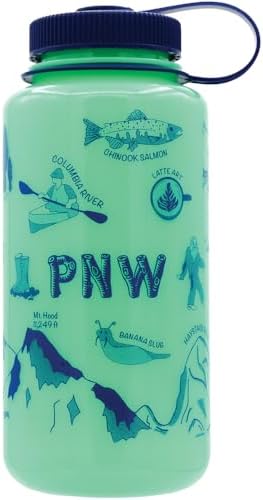
- Enjoy these custom printed Nalgene bottles where each bottle highlights unique landmarks or attractions to the state or …
- FOR EVERYDAY & EVERYTHING: From the office to the outdoors, the Nalgene 32 oz Wide Mouth Water Bottle keeps you hydrated…
- DURABLE & LEAK-PROOF: This impact-resistant bottle survives drops on trails, streets, and subway floors. The leak-proof …
Dial these in and shoulder-season camping opens wide — next stop, the full cold-weather guide and fall camping.
Frequently Asked Questions
How do you stay warm in a tent at night?
Use a sleeping bag rated below the expected low and an insulated pad to block cold from the ground, wear dry base layers and a hat, and eat a warm meal before bed. A hot water bottle in your bag adds warmth, and venting the tent slightly reduces the condensation that makes you cold.
Why do I get cold in my tent?
Most tent cold comes from heat lost to the ground through your sleeping pad, plus condensation from a poorly vented tent. Use a pad with an adequate R-value, keep your gear dry, avoid going to bed cold, and do not breathe into your bag. Ground insulation is usually the key fix.
Does a smaller tent stay warmer?
Somewhat, since your body heat warms a smaller air space more easily, which is why some campers choose a snug tent for cold weather. The bigger factors are your sleeping bag, your pad insulation from the ground, and staying dry, so focus on those before worrying about tent size.
Written by Jake Miller · Camping & Gear
Jake grew up pitching tents before he could drive and has spent 15+ years camping, car-camping, and gear-testing his way across the country. If it can be cooked over a fire or packed into a trunk, he has an opinion on it.