
Heads up: this post contains affiliate links. If you buy through one, we may earn a small commission at no extra cost to you. As an Amazon Associate, we earn from qualifying purchases.
⚡ Quick Answer: Hypothermia is a dangerous drop in body temperature that can occur even in cool, wet, windy weather, not just deep cold. Prevent it by staying dry, layering, eating, and getting out of wind and rain. Early signs include shivering, clumsiness, and confusion. Warm the person gradually and seek help for severe cases.
Hypothermia does not require arctic conditions. It regularly strikes hikers in the 30s and 40s Fahrenheit when they get wet, tired, and windblown. Because it clouds judgment, the person affected often does not realize what is happening, which makes it especially dangerous. Knowing how to prevent, recognize, and respond to hypothermia is a core outdoor safety skill for everyone in your group.
What Hypothermia Is
Hypothermia sets in when your body loses heat faster than it can produce it and your core temperature falls below its normal range. Wet clothing, wind, exhaustion, dehydration, and hunger all speed the process. It is often called a danger of the cool and wet rather than the deep cold, because damp, breezy conditions above freezing catch people off guard more often than a clear, frigid day they respect.
Prevent It Before It Starts
Prevention is far easier than treatment. Stay dry by using waterproof layers and avoiding sweat-soaked cotton, and add insulation before you feel cold. Get out of wind and rain, keep eating and drinking to fuel your internal furnace, and keep moving to generate heat. Watch the weather and the time, and turn back before fatigue and cold stack up against you.
Recognize the Warning Signs
- Early: intense shivering, cold and pale skin, and numb hands.
- Worsening: clumsiness, stumbling, slurred speech, and slow thinking.
- Serious: confusion, poor decisions, and paradoxical undressing as the person feels falsely warm.
- Severe: shivering stops, drowsiness deepens, and the person may become unresponsive.
The Umbles Warn You
A simple memory aid is to watch for the umbles: mumbles, stumbles, fumbles, and grumbles. Slurred speech, unsteady footing, clumsy hands, and irritability are early red flags that someone is losing the battle against the cold. Because judgment fades, look out for your companions, since they may not notice their own decline.
How to Respond
Act as soon as you suspect hypothermia. Get the person out of wind and rain and into shelter, remove wet clothing, and replace it with dry layers. Add insulation above and below them, and give warm, sweet drinks and high-energy food if they are alert enough to swallow safely. Warm them gradually with body heat and warm, dry coverings rather than intense direct heat. For severe cases, where shivering has stopped or the person is confused or unresponsive, handle them gently and get emergency help as fast as possible.
Respect the Cold
Hypothermia is dangerous precisely because it sneaks up and clouds judgment, but it is also highly preventable. Stay dry, layer up early, keep eating, and watch your group for the umbles. A little vigilance keeps a chilly day from turning into an emergency.
The number that decides it. The CDC sets a clear threshold: “If a person’s temperature is below 95 degrees get medical attention immediately.” Below 95°F this has stopped being something you manage in the field and become something you evacuate for. The warning signs CDC lists are “shivering, exhaustion, confusion, fumbling hands, memory loss, slurred speech, drowsiness” — and in infants, “bright red, cold skin, and very low energy.”
CDC’s warming order is specific and worth following exactly: get the person into shelter, remove wet clothing, then “warm the center of the person’s body — chest, neck, head, and groin” with blankets or skin-to-skin contact under dry layers, wrap the head and neck, and give warm non-alcoholic drinks only if they are conscious. Extremities come last, and never with a stove, heat lamp, radiator or electric blanket.
If the person is unresponsive with no apparent pulse or breathing, CDC says to handle them gently, get emergency help, and perform CPR “even if the person appears dead” — severe hypothermia can suppress vital signs to the point of mimicking death, and people have been resuscitated from that state. This is general information and not a substitute for training or emergency care.
Recommended Gear

- Duration: Up to 10 hours of consistent natural heat from HOTHANDS, America’s trusted hand warmer brand for over 35 years…
- Activation: Air-activated design means these disposable hand warmers are ready to use in minutes – simply open the packa…
- Convenience: Compact and portable warmers perfect for hunting gear, camping essentials, skiing adventures, or any cold w…
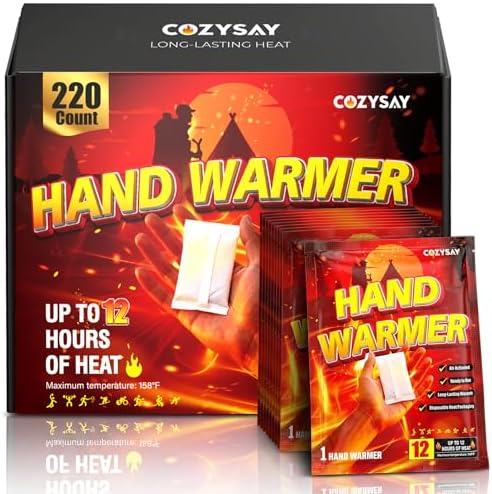
- 🔥RELIABLE 12-HOUR WARMTH – Engineered for all-day endurance. Each air-activated hand warmer provides up to 12 hours of s…
- 🔥STEADY HEAT ACTIVATION – Simple and effective. Just open the package and expose the body warmer to air. The warming rea…
- 🔥SMALL & COMFORTABLE DESIGN – Pocket-sized and perfectly proportioned at 3.6″ x 2.1″. The compact design fits easily int…

- SAFE, NATURAL LONG-LASTING HEAT – Odorless, Disposable, Single-Use Item, Do Not Apply Directly to The Skin. TSA Approved…
- TO ACTIVATE – Remove warmer from outer package, shake to activate. Warmer heats up in 15-30 minutes. If heat decreases, …
- MULTIPURPOSE WARMERS – Single use air-activated heat packs that provide everyday warmth and are ideal for keeping your b…
Frequently Asked Questions
What are the early signs of hypothermia?
Early signs include intense shivering, cold and pale skin, and numb hands, followed by clumsiness, stumbling, slurred speech, and slow thinking. A useful memory aid is the umbles: mumbles, stumbles, fumbles, and grumbles. Because judgment fades, watch your companions closely for these signs.
Can you get hypothermia in mild weather?
Yes. Hypothermia regularly strikes in the 30s and 40s Fahrenheit when people get wet, tired, and windblown. It is often called a danger of the cool and wet rather than the deep cold, because damp, breezy conditions above freezing catch people off guard more often than a clearly frigid day.
How do you treat hypothermia?
Get the person out of wind and rain, remove wet clothing, and add dry insulation above and below them. Give warm, sweet drinks and high-energy food if they are alert, and warm them gradually rather than with intense direct heat. For severe cases, where shivering stops or the person is confused, handle them gently and get emergency help fast.
Written by Jake Miller · Camping & Gear
Jake grew up pitching tents before he could drive and has spent 15+ years camping, car-camping, and gear-testing his way across the country. If it can be cooked over a fire or packed into a trunk, he has an opinion on it.