Heads up: this post contains affiliate links. If you buy through one, we may earn a small commission at no extra cost to you. As an Amazon Associate, we earn from qualifying purchases.
⚡ Quick Answer: To purify water in the wild, filter or treat it to remove germs. Boiling for one minute is the most reliable method, while a squeeze or pump filter, purification tablets, or a UV pen all work well. Always collect from flowing water when you can and treat it before drinking.
Even the clearest mountain stream can carry invisible bacteria, protozoa like giardia, and viruses that will ruin a trip and can be genuinely dangerous. The good news is that purifying water in the backcountry is simple once you know your options. Here are five proven methods, when to use each, and how to get the safest water possible far from a tap.
Start By Choosing a Good Source
Your treatment job gets easier if you collect from the right place. Favor clear, flowing water over stagnant pools, and move upstream of trails, campsites, and any sign of animals or grazing. Avoid water with a chemical sheen, foam, or an odd smell, since filters and tablets handle germs but not pollutants. If the water is cloudy, let it settle or pre-filter it through a bandana before treating.
Method 1: Boiling
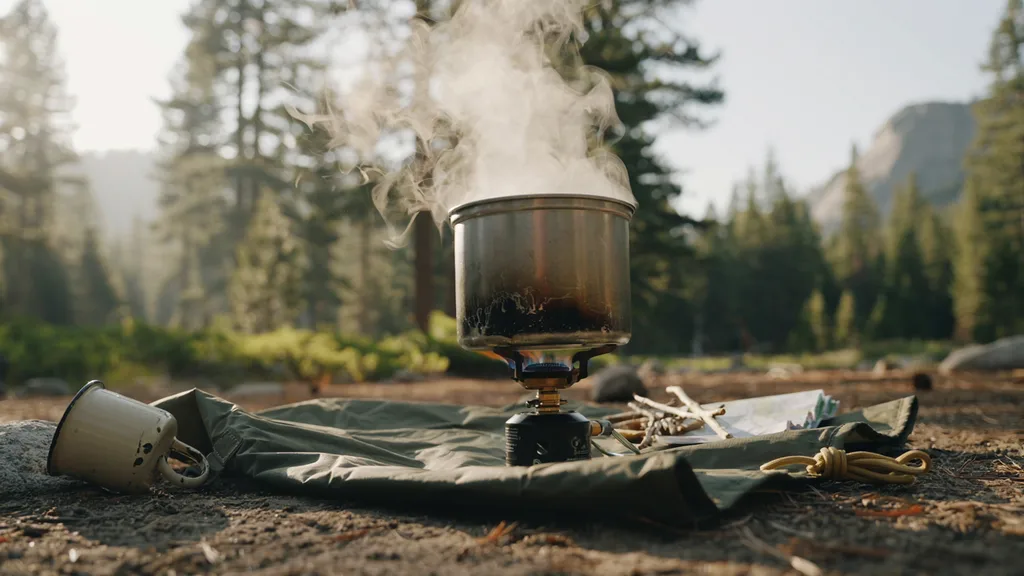
Boiling is the gold standard because heat kills bacteria, viruses, and protozoa alike. Bring the water to a rolling boil for one full minute, or three minutes above about 6,500 feet where water boils at a lower temperature. The main downsides are fuel use and the wait for the water to cool, but for reliability nothing beats it.
Method 2: Squeeze and Pump Filters
A good hollow-fiber filter physically strains out bacteria and protozoa and gives you clean water on demand, which makes it the favorite for most backpackers. Squeeze filters are light and cheap, while pump filters move more water and pull from shallow sources. Note that most filters do not remove viruses, which are rarely a concern in remote North American backcountry but matter overseas.
Method 3: Chemical Tablets and Drops
Chlorine dioxide or iodine tablets are tiny, weigh almost nothing, and make an excellent backup. Drop them in, wait the time on the label, usually around thirty minutes and longer for cold or cloudy water, and the water is safe. They leave a slight taste that a pinch of drink mix can mask, and they are a smart emergency option to keep in every pack.
Method 4: UV Light Purifiers
A UV pen stirs ultraviolet light through the water to scramble the DNA of germs so they cannot make you sick. It works fast and handles viruses as well as bacteria and protozoa, but it needs batteries and clear water to work well, so pre-filter cloudy sources first.
Method 5: A Layered Approach
Experienced hikers rarely rely on a single method. A common setup is a squeeze filter for daily use plus a few chemical tablets as a lightweight backup in case the filter clogs or freezes. Redundancy costs almost nothing in weight and means you are never stuck with only bad options far from help.
The Bottom Line
Treat every backcountry water source, choose flowing water when you can, and carry a primary method plus a backup. Boiling is the most bombproof, filters are the most convenient, and tablets are the ultimate lightweight insurance. Match the method to your trip and you will stay hydrated and healthy on the trail.
Recommended Gear

- Removes Bacteria & Parasites: The Microfiltration Membrane Removes 99.999999% of Waterborne Bacteria (Including E. Coli …
- Removes Microplastics: Removes the Smallest Microplastics Found in the Environment (Down to 1 Micron), and Reduces Turbi…
- Rigorous Testing: All Claims Are Verified with Laboratories Using Standard Testing Protocols Set by the US EPA, NSF, AST…
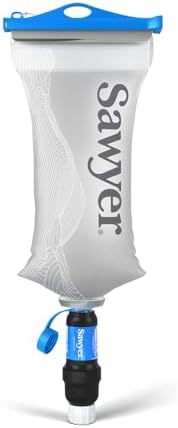
- Lightweight, easy to use portable water filter removes harmful bacteria, protozoa, cysts, sediment, And 100% of micropla…
- The Sawyer Squeeze Filter is reusable and easy to clean, lasting up to 100,000 gallons. The fiber walls inside Sawyer’s …
- The Cnoc 2 liter (64 ounce) bladder is made from extra-durable TPU with a wide mouth opening for fast, easy filling.

- Humans can live 3 days without water but 1 gallon (the recommended daily water intake) weighs over 8lbs. When you are on…
- Our filters weigh only 2oz and measure 8 inches long, so you can take it with you anywhere. Be prepared when camping, hi…
- Each of the 5 filters in this pack removes >99.99% of waterborne bacteria (such as E. coli and legionella), and >99.99% …
Frequently Asked Questions
What is the best way to purify water in the wild?
Boiling is the most reliable method because heat kills bacteria, viruses, and protozoa. Bring water to a rolling boil for one minute, or three minutes above about 6,500 feet. A good filter, chemical tablets, or a UV pen also work well, and many hikers carry a filter plus tablets as a backup.
Can you get sick from drinking clear stream water?
Yes. Even clear, cold mountain water can carry bacteria and protozoa like giardia that cause serious illness. Clarity is not a sign of safety. Always treat backcountry water by boiling, filtering, or using purification tablets before you drink it, no matter how clean it looks.
Do water filters remove viruses?
Most backpacking filters remove bacteria and protozoa but not viruses, which are smaller. Viruses are rarely a concern in remote North American backcountry but can matter overseas or near heavy contamination. If viruses are a risk, boil the water, use a purifier rated for viruses, or add chemical treatment.
Written by Jake Miller · Camping & Gear
Jake grew up pitching tents before he could drive and has spent 15+ years camping, car-camping, and gear-testing his way across the country. If it can be cooked over a fire or packed into a trunk, he has an opinion on it.