
Heads up: this post contains affiliate links. If you buy through one, we may earn a small commission at no extra cost to you. As an Amazon Associate, we earn from qualifying purchases.
⚡ Quick Answer: To find water in the desert, look in the lowest points of dry washes and canyons, at the base of cliffs, and where vegetation is greenest. Dig in damp sand at outside bends of dry streambeds, collect dew and rain, and always purify what you find. The best strategy, though, is carrying enough water so you never have to search.
In the desert, water is not a comfort but the difference between life and death, and the human body can fail quickly in extreme heat. While the smartest approach is always to carry plenty of water and turn back before you run low, knowing how to find and collect water is a vital backcountry skill. Here is where desert water hides and how to make it safe to drink.
Prevention Comes First
No survival trick replaces carrying enough water. In desert heat a person can need a gallon or more per day, and dehydration impairs judgment long before it becomes deadly. Plan your route around known water sources, carry more than you think you need, drink steadily rather than rationing to the point of impairment, and travel in the cool of morning and evening. The best way to find water in the desert is to bring it.
Read the Landscape
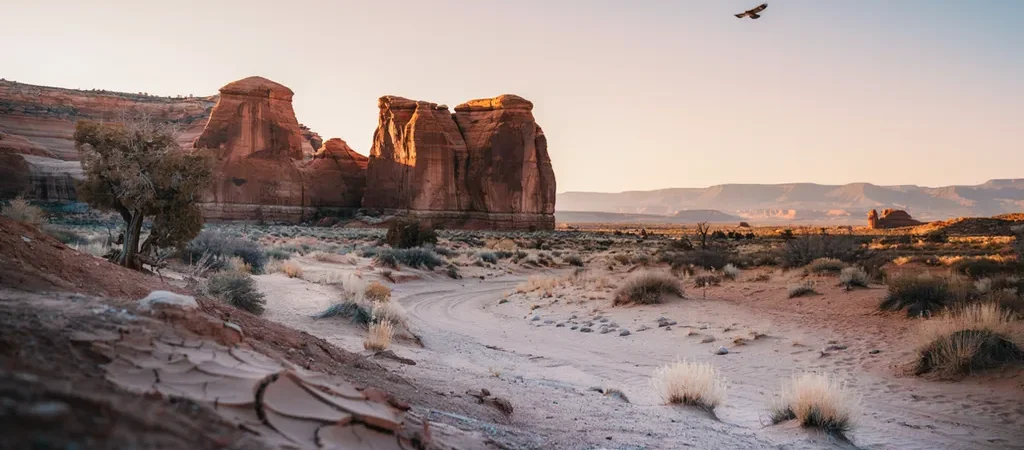
Water obeys gravity, so search the low points: the bottoms of canyons, dry washes, and the shaded base of cliffs and rock faces where water lingers longest. Look for the greenest, densest vegetation, especially water-loving plants like cottonwoods, willows, and cattails, which signal moisture near the surface. Converging game trails and flocks of birds, particularly at dawn and dusk, often lead toward water.
Dig for Hidden Water
A dry streambed may still hold water just beneath the surface. Dig at the outside bend of a wash, where the current last ran deepest, or in the lowest, dampest-looking sand. If the sand is moist, water may seep slowly into the hole, though this takes patience. Rock depressions and potholes, called tinajas, can hold rainwater for days or weeks after a storm, especially in shaded slots.
Collect Rain, Dew, and Condensation
- Rain: spread out any tarp, poncho, or container to catch and funnel rainfall, which is one of the cleanest sources.
- Dew: in the cool morning, mop dew from plants and smooth surfaces with a cloth and wring it into a container.
- Shade and stills: a solar still or a transpiration bag tied over green vegetation can yield small amounts of water in a survival situation, though usually less than the effort suggests.
- Snow and ice: at elevation, melt snow rather than eating it, since eating snow costs body heat.
Always Purify What You Find
Natural desert water can carry bacteria, protozoa, and contamination from animals, so treat everything you collect. Boil it, run it through a filter, or use purification tablets before drinking. The one exception where treatment is less critical is clean rainwater caught directly in a clean container, but when in doubt, purify. Drinking bad water can leave you sicker and more dehydrated than before.
Respect the Desert
Desert water is scarce and precious, so plan carefully, carry more than enough, and know the signs of dehydration. If you ever do need to find water, read the terrain for low and green places, dig in damp washes, collect rain and dew, and purify everything. Preparation is what keeps a desert trip an adventure rather than an emergency.
Recommended Gear

- Removes Bacteria & Parasites: The Microfiltration Membrane Removes 99.999999% of Waterborne Bacteria (Including E. Coli …
- Removes Microplastics: Removes the Smallest Microplastics Found in the Environment (Down to 1 Micron), and Reduces Turbi…
- Rigorous Testing: All Claims Are Verified with Laboratories Using Standard Testing Protocols Set by the US EPA, NSF, AST…

- Humans can live 3 days without water but 1 gallon (the recommended daily water intake) weighs over 8lbs. When you are on…
- Our filters weigh only 2oz and measure 8 inches long, so you can take it with you anywhere. Be prepared when camping, hi…
- Each of the 5 filters in this pack removes >99.99% of waterborne bacteria (such as E. coli and legionella), and >99.99% …
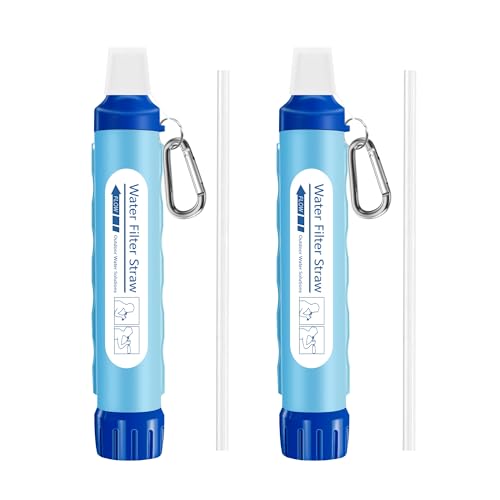
- Survival Gear for Outdoor Water Needs – This water filter straw has been lab tested By SGS international and meets stric…
- Portable & Long Life-Span – This straw filtration at only 7.1” /18cm long and 1.2″/3cm in diameter fits any 1.1″ /28mm …
- 4-Stage Filtration – Our Upgrade 4-Stage Filtration System includes a coarse filter screen, double layer pp fiber, cocon…
Frequently Asked Questions
Where can you find water in the desert?
Look in the lowest points of canyons and dry washes, at the shaded base of cliffs, and where vegetation is greenest, especially near cottonwoods and willows. Dig at the outside bend of a dry streambed where the sand is damp, and check rock depressions called tinajas that hold rainwater after storms.
Can you drink desert water without treating it?
No. Natural desert water can carry bacteria, protozoa, and contamination from animals, so treat everything you collect by boiling, filtering, or using tablets. The one relatively safe exception is clean rainwater caught directly in a clean container. When in doubt, always purify before drinking.
How much water do you need in the desert?
In desert heat a person can need a gallon or more per day, and dehydration impairs judgment long before it becomes deadly. The best strategy is to carry more water than you think you need, drink steadily rather than rationing, and travel during the cool morning and evening hours.
Written by Jake Miller · Camping & Gear
Jake grew up pitching tents before he could drive and has spent 15+ years camping, car-camping, and gear-testing his way across the country. If it can be cooked over a fire or packed into a trunk, he has an opinion on it.