
Heads up: this post contains affiliate links. If you buy through one, we may earn a small commission at no extra cost to you. As an Amazon Associate, we earn from qualifying purchases.
⚡ Quick Answer: Carry a bladder if you want to drink constantly without stopping, and you are willing to clean it. Carry bottles if you want to know exactly how much water you have left, refill quickly from a stream, and never worry about a leak soaking your pack. A bladder for drinking plus one bottle for measuring and mixing is the setup most experienced hikers land on.
This looks like a gear preference argument and it is really a behaviour question. The best water carry system is the one that gets water into you, and those two options fail in opposite ways: bladders make drinking easy but tracking hard, bottles make tracking easy but drinking inconvenient.
The case for a bladder
- You drink more. This is the whole point and it is well established. A hose over your shoulder removes every barrier to sipping, and steady small sips absorb better than occasional large gulps.
- You never stop. On a group hike, not needing to halt for water is a real convenience, especially if you are the slowest person.
- Weight sits well. A full bladder against your back, high and centered, carries better than the same volume in side-pocket bottles.
- It packs flat when empty, which matters if you sometimes carry three litres and sometimes one.
The costs are real too. Cleaning is a chore you will eventually neglect, you cannot easily see your remaining supply, refilling means partly unpacking, and a hose in freezing weather is a liability.
The case for bottles
- You always know your supply. Two litres in two bottles is a glance, not a guess. On a dry stretch that is a safety feature, not a convenience.
- Refilling is fast. Dunk, screw on, walk. No unpacking, no reseating a bladder into a sleeve.
- Nothing to clean but a cylinder. Wide-mouth bottles wash out in seconds, and they tolerate electrolytes without consequence.
- Failure is contained. A dropped or cracked bottle costs you that bottle, not the contents of your pack.
- They double as measuring cups for cooking and for mixing drink powder to the right strength.
The cost is friction. Bottles in a rear pocket you cannot reach while walking get used far less than they should, which is why side pockets or shoulder-strap holders matter so much if you go the bottle route.
The setup most people end up with
A two to three litre bladder for plain water and steady drinking, plus one wide-mouth bottle. The bottle handles electrolytes, gives you a visible reserve, and lets you measure water for cooking. This costs a few extra ounces and eliminates most of the drawbacks of either system on its own.
If you are buying a pack around this decision, check that it has both a bladder sleeve and reachable side pockets. Our hydration pack guide covers which packs handle both well.
How much to carry either way
Volume is a separate question from container, and it is the one that actually gets people in trouble. Temperature, effort, elevation, and how often you can refill all matter more than body weight. We work through it properly in how much water to carry hiking, but as a rough anchor, about half a litre per hour of moderate hiking in mild weather, and closer to a litre per hour in heat or at altitude.
Cold weather changes the answer completely
Below freezing, a bladder hose is the first thing to fail and it fails permanently for that outing. The standard fix is insulated bottles carried upside down, so any ice that forms is at the bottom rather than sealing the lid. If winter hiking is on your calendar, read our insulated bottle guide and plan on bottles for those trips regardless of what you use in summer.
Keeping either one clean
Bottles need almost nothing. Bladders need a routine, and the consequence of skipping it is a slick film inside the reservoir and a mouthpiece that tastes wrong. The essential habits are: only plain water in the bladder, empty and dry it after every trip, and store it in the freezer between trips if you cannot get it fully dry. The full method, including the hose, is in how to clean a hydration bladder.
Recommended Gear

- nylon
- Imported
- Streamlined & Secure Fit: This compact pack is designed to move with you. Its sculpted profile 19.5”x8.7”x2.6” contours …

- HYDRATION MIX: A great-tasting, non-GMO electrolyte drink mix that delivers hydration faster than water alone.
- GREAT TASTE: Firecracker flavor is a blend of citrusy lemon-lime, tart cherry, and true-to-fruit raspberry flavors.
- SCIENCE-BACKED FORMULA: Powered by LIV HYDRASCIENCE, Liquid I.V. is designed with an optimized ratio of electrolytes and…

- HYDRATION MIX: A great-tasting, non-GMO electrolyte drink mix that delivers hydration faster than water alone.
- GREAT TASTE: Four delicious flavors in one pack. Lemon Lime is zesty and bright, with a punch of citrus flavor. Passion …
- SCIENCE-BACKED FORMULA: Powered by LIV HYDRASCIENCE, Liquid I.V. is designed with an optimized ratio of electrolytes and…
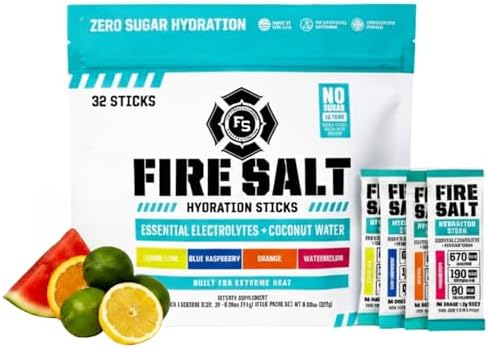
- The Top Four Flavors in One Box: This Fire Salt assortment brings together Lemon Lime, Blue Raspberry, Orange, and Water…
- Clean Ingredients, Smart Format: Sodium from sea salt, magnesium malate, potassium citrate, and real coconut water powde…
- Four Flavors, Four Moods: Lemon Lime drinks crisp and bright, Blue Raspberry leans bold and nostalgic, Orange pours sunn…
Frequently Asked Questions
Do bladders really make you drink more?
Yes, consistently. The reason is friction: sipping from a hose costs nothing, while stopping, removing a pack, and unscrewing a bottle costs enough that people skip it. If you routinely finish a hike dehydrated, a bladder is the most effective single fix.
How do I know how much water is left in a bladder?
You mostly do not, which is the main drawback. You can lift the pack and guess, or check the bladder at breaks. Some have graduated markings that are hard to read once loaded. This is the single best argument for carrying at least one bottle alongside.
How often should I clean a hydration bladder?
Rinse and dry after every trip if you only ever put water in it. Deep clean with a brush kit and a cleaning tablet or a dilute bleach solution if you used a sports drink, or if it has sat damp for more than a day. See our full cleaning walkthrough for the method.
Can I put electrolyte drink in a bladder?
You can, and it will grow biofilm and taste permanently of berries. If you use electrolytes, put them in a bottle and keep the bladder for plain water. This is the main reason to carry both.
Do bladders leak?
Modern ones rarely leak from the seam, but the cap and the hose connection are failure points, and a puncture from a sharp object packed against it is possible. Pack it against your back, not against your stove or crampons, and keep your sleeping bag in a dry bag regardless.
Which freezes first in winter?
The hose, every time, and once frozen it is done for the day. Insulated hose sleeves help, as does blowing air back into the bladder after each sip. In real cold, most people abandon bladders and carry insulated bottles upside down so the ice forms at the bottom.

Written by Jake Miller · Camping & Gear
Jake grew up pitching tents before he could drive and has spent 15+ years camping, car-camping, and gear-testing his way across the country. If it can be cooked over a fire or packed into a trunk, he has an opinion on it.