
Heads up: this post contains affiliate links. If you buy through one, we may earn a small commission at no extra cost to you. As an Amazon Associate, we earn from qualifying purchases.
⚡ Quick Answer: Field dressing a deer, explained simply: why it has to happen fast, the process start to finish, the gear that helps, and good-practice safety.
Field dressing is the part of deer hunting nobody photographs, but doing it well is what turns a successful hunt into good meat on the table. The goal is simple: remove the internal organs and start cooling the carcass as quickly as possible, because heat is what spoils venison. Here’s a clear, respectful overview for the first-timer, plus the small kit that makes the job faster and cleaner.
Why It Has to Happen Fast
A deer’s body holds a lot of heat, and that heat — along with the bacteria in the gut — is what degrades the meat. Field dressing within the first hour vents that heat and removes the source of spoilage, which is why experienced hunters do it right where the animal falls. In warm weather, minutes matter.
The Process, Start to Finish
After you’ve tagged the animal according to your state’s regulations, the basic sequence is: make a careful shallow opening along the belly (without puncturing the stomach or intestines), free the organs, and remove them in one group, then roll the cavity out to drain. Work slowly and keep your blade shallow — the number one beginner mistake is cutting too deep and nicking the gut. If you’ve never done it, go with an experienced hunter your first time; there’s no substitute for watching it once.
The Gear That Makes It Easier
You don’t need much, but the right tools make a real difference. A quality, sharp knife (many hunters like a kit with a gut hook and a replaceable-blade design) does the cutting; a box of heavy-duty gloves keeps you clean and protected; and breathable game bags keep the meat protected from dirt and flies on the pack out.

- THE ULTIMATE HUNTING KNIFE & BONE SAW SET – Looking for the perfect field dressing kit or butcher knife set? Look no fur…
- TWO RAZORSAFE REPLACEABLE BLADE HUNTING KNIVES – This field dressing kit features the RazorBone which comes equipped wit…
- NEVER SHARPEN YOUR KNIFE AGAIN – When a blade becomes dull, simply push the lock release button on the handle to remove …

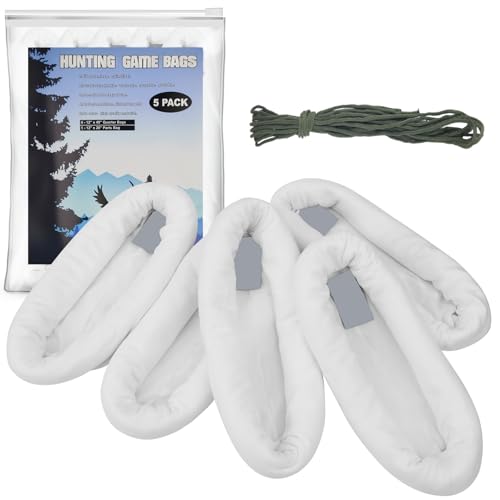
- PREMIUM-GRADE MATERIAL: Crafted from high-performance polyester fiber, our hunting game meat bags perfectly balances rug…
- EXTRA-LARGE CAPACITY&EASY PORTABILITY: Engineered for hunters’ real needs, each elk game bags stretches up to 22 inches—…
- EASY TO LOCATE:Integrated reflective strips boost visibility exponentially in low-light environments—even total darkness…
Safety & Good Practice
- Know and follow your state’s tagging and transport regulations before you head out.
- Wear gloves — it’s cleaner and protects against the small risk of disease.
- Keep your knife sharp; most cuts happen with a dull blade you’re forcing.
- Cool the meat fast — get it off the ground, in the shade, and to a cooler or processor as soon as you can.
New to the hunt? See our beginner hunting guides and treestand safety walkthrough.
Frequently Asked Questions
How soon do you need to field dress a deer?
As soon as practical — ideally within an hour. Body heat is what spoils meat, and removing the entrails is the fastest way to start cooling. In warm weather the clock runs faster; get the hide open and air moving.
What tools do you need to field dress a deer?
A sharp 3-to-4-inch fixed-blade or sturdy folding knife does the whole job. Nitrile gloves, a small sharpener, and game bags make it cleaner and easier. Fancy gut-hook gadgets are optional; a controlled shallow cut works fine.
What is the biggest field dressing mistake?
Cutting too deep on the opening cut and puncturing the stomach or intestines, which contaminates meat. Pinch the hide up, keep the blade shallow with the edge up, and guide it with two fingers inside the cavity.
Written by Tom Rivera · Fishing & Hunting
Tom has spent four decades outdoors — on lakes, rivers, and treestands — and still fishes most weekends. These days his favorite catch is watching his grandkids reel in their first bluegill.