
Heads up: this post contains affiliate links. If you buy through one, we may earn a small commission at no extra cost to you. As an Amazon Associate, we earn from qualifying purchases.
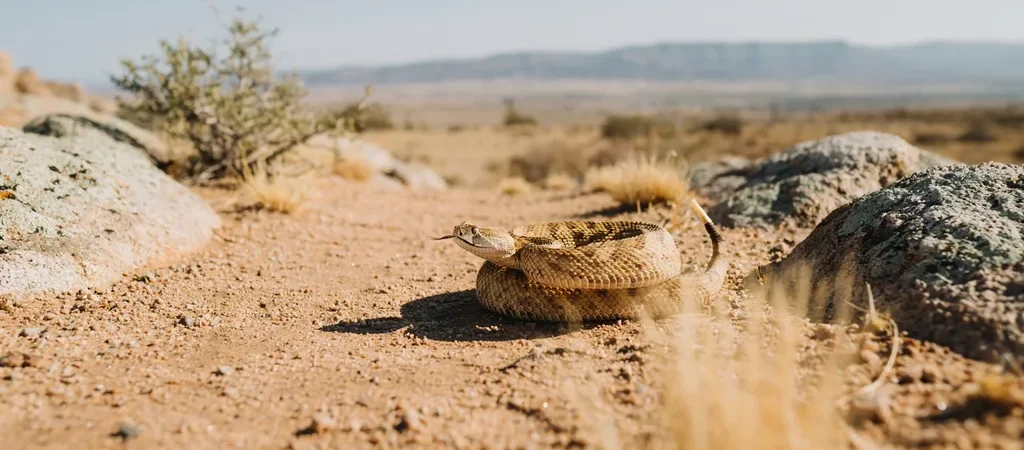
⚡ Quick Answer: For a venomous snakebite, stay calm, move away from the snake, and get to a hospital for antivenom as fast as possible. Keep the bitten limb still and roughly at heart level, remove rings and tight clothing, and note the time. Do not cut, suck, use a tourniquet, or apply ice: those old methods cause harm.
What the CDC says to do while you wait for care. Sit or lie down with the bite in a neutral, comfortable position. Remove rings and watches before swelling starts. Wash the bite with soap and water and cover it with a clean, dry dressing. Mark the leading edge of the swelling on the skin and write the time next to it — that single line tells the treating clinician how fast the envenomation is progressing, and almost nobody thinks to do it. Photograph the snake from a safe distance if you can do so without going near it. Do not drive yourself; have someone else take you.
And the CDC’s list of things not to do is explicit: “Do not apply a tourniquet, electric shock, or folk therapies… Do not slash the wound with a knife or cut it in any way… Do not try to suck out the venom… Do not apply ice or immerse the wound in water… Do not drink alcohol as a painkiller or take pain relievers.” Do not wait for symptoms before seeking help.
Snakebites are frightening, but with a calm, correct response most are very survivable, and many bites from venomous snakes inject little or no venom at all. The problem is that a lot of old first aid advice is not only useless but actively dangerous. This guide covers what modern medicine actually recommends, and just as importantly, the popular myths you must avoid. It is general information, not a substitute for emergency medical care.
Step Back and Stay Calm
The instant you are bitten, move a safe distance away from the snake so it cannot strike again, since snakes can bite more than once. Try to stay calm and keep your heart rate down, because panic and exertion speed venom through your system. Most bites are not immediately life-threatening, and staying composed helps you make good decisions and slows the spread of venom.
Get Help Immediately
The single most important action is to reach professional medical care and antivenom as quickly as possible, so call emergency services or start moving toward help right away. If you have signal, call ahead so the hospital can prepare. Note the time of the bite and watch how symptoms progress, and if you can safely do so, remember the snake color and pattern, but never waste time or risk a second bite trying to catch or kill it.
Proper First Aid Steps
- Keep the bitten limb still and immobilized, roughly at the level of the heart.
- Remove rings, watches, and tight clothing near the bite before swelling begins.
- Clean the wound gently with soap and water if available, and cover it with a loose, clean dressing.
- Mark the leading edge of swelling on the skin with the time, so medical staff can track its spread.
- Keep the person warm, calm, and as still as possible while help is arranged.
What NOT to Do
Forget the dramatic movie methods, because they cause real harm. Do not cut the wound or try to suck out the venom, which damages tissue and does not work. Do not apply a tourniquet or tight band that cuts off blood flow, since this can cost the limb. Do not apply ice, do not give the person alcohol or caffeine, and do not try to shock the wound. These outdated techniques worsen outcomes and delay the only real treatment, which is antivenom.
Prevention on the Trail
Most bites happen when people accidentally step on or reach near a snake, so watch where you put your feet and hands. Stay on trails, step onto rocks and logs rather than blindly over them, and use a light at night. Wear sturdy boots and long pants in snake country, and never handle or harass a snake, since a large share of bites happen to people deliberately interacting with them.
Calm and Fast Wins
If the worst happens, the winning formula is simple: get away from the snake, stay calm, keep the limb still, and get to antivenom fast, while skipping every old myth. Prepare before your trip by knowing the local emergency number and the nearest hospital, and you will be ready to respond correctly if a bite ever occurs.
Recommended Gear
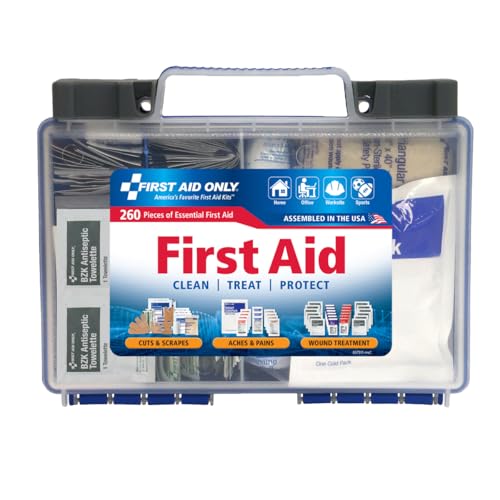
- OSHA-Compliant Emergency Kit: Includes supplies including bandages, gauze, butterfly closures, burn cream packets, antib…
- Convenient Packaging: An ideal office first aid kit, home first aid kit, or car first aid kit, this set of safety-orient…
- Easy Access: This convenient and versatile work, home and car emergency kit features a clear cover and individual compar…


- Protects ankles and calves from venomous snake bites and thorns
- Lightweight, form-fitting design with adjustable straps
- Cool and breathable unlike heavy snake boots
Frequently Asked Questions
What should you do if bitten by a venomous snake?
Move away from the snake so it cannot strike again, stay calm, and get to a hospital for antivenom as fast as possible. Keep the bitten limb still and roughly at heart level, remove rings and tight clothing before swelling starts, and note the time of the bite.
What should you not do for a snakebite?
Do not cut the wound or try to suck out venom, do not apply a tourniquet or tight band, and do not use ice or give alcohol. These old methods cause real harm and delay the only effective treatment, which is antivenom. Skip the movie tricks and focus on getting to medical care quickly.
How do you avoid snakebites on the trail?
Watch where you put your feet and hands, stay on trails, and step onto rocks and logs rather than blindly over them. Wear sturdy boots and long pants in snake country, use a light at night, and never handle or harass a snake, since many bites happen to people deliberately interacting with them.
Written by Jake Miller · Camping & Gear
Jake grew up pitching tents before he could drive and has spent 15+ years camping, car-camping, and gear-testing his way across the country. If it can be cooked over a fire or packed into a trunk, he has an opinion on it.