
Heads up: this post contains affiliate links. If you buy through one, we may earn a small commission at no extra cost to you. As an Amazon Associate, we earn from qualifying purchases.
⚡ Quick Answer: For most anglers, aluminum fishing pliers with tungsten cutters and a spring-loaded handle deliver the best balance of durability and value. Titanium models resist saltwater corrosion best, while affordable stainless pliers handle occasional freshwater trips just fine.
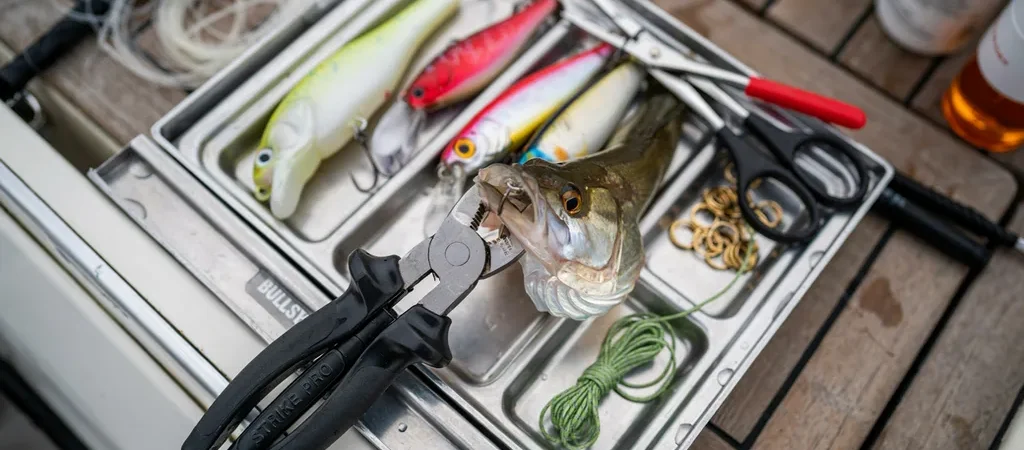
A quality pair of fishing pliers is one of those tools you never think about until you need it, and then you need it badly. Whether you are removing a deep-set hook, crimping a sleeve, cutting braided line, or splitting a stubborn ring, the right pliers turn a frustrating fumble into a two-second job. In this guide we break down what actually matters when choosing fishing pliers and share three picks that cover every budget and fishing style.
Why a Good Pair of Fishing Pliers Matters
Cheap pliers rust, seize up, and dull quickly, especially in saltwater. A dull cutter frays braid instead of slicing it, and a loose jaw slips off hooks at the worst possible moment. Investing in a purpose-built pair protects your hands from teeth and treble hooks, speeds up catch-and-release so fish survive, and saves you money over years of hard use. Good pliers also do double duty as a crimping tool and split-ring opener, replacing two or three other gadgets in your tackle box.
What to Look For
- Corrosion resistance: aluminum and titanium shrug off saltwater far better than plain steel. Look for anodized or coated finishes.
- Cutter quality: replaceable tungsten carbide cutters slice braided and mono line cleanly and can be swapped when they dull.
- Grip and handle: a non-slip, spring-loaded handle lets you work one-handed with wet hands.
- Jaw design: narrow needle-nose tips reach deep-set hooks, while side cutters handle heavier wire.
- Lanyard and sheath: a coiled lanyard and belt sheath keep pliers from going overboard.
Our Top Fishing Pliers Picks

- SALTWATER-READY FISHING PLIERS:Made for pier, kayak, and inshore trips—these fishing pliers saltwater anglers rely on ar…
- ULTRALIGHT CONTROL (4oz):Only 4oz so it won’t drag down your belt or vest—easy for one-hand use when you’re re-rigging, …
- ALL-IN-ONE FISHING TOOLS FOR LURE WORK:True fishing tools for real tasks: split ring pliers for swapping trebles, fish h…

- MULTI-FUNCTIONAL FISHING PLIERS: Perfect for opening rings, crimping leads, attaching hooks, and cutting PE or braided f…
- DURABLE AND CORROSION-RESISTANT: Made from premium stainless steel with a black Teflon coating, the fishing pliers saltw…
- COMFORTABLE AND NON-SLIP GRIP: The soft TPR rubber handle offers a secure grip, even in wet conditions, ensuring maximum…
How to Choose the Right Pliers for You
If you fish saltwater regularly, spend the extra money on titanium or heavily anodized aluminum. The corrosion resistance pays for itself the first season. Freshwater anglers and weekend warriors can save with a solid stainless or aluminum pair, since freshwater is far gentler on metal. Fly anglers and finesse fishers should prioritize a fine needle-nose tip and a precise line cutter, while surf and offshore anglers want beefier jaws and a strong split-ring tool for heavier terminal tackle.
Caring for Your Fishing Pliers
- Rinse with fresh water after every saltwater trip, then dry fully before storing.
- Add a drop of reel oil to the pivot and spring every few outings to keep the action smooth.
- Store in the sheath, not loose in a wet tackle tray, to prevent nicks and rust.
- Replace the cutter blades when they start to crush rather than slice line.
Treat a good pair of pliers well and they will outlast most of the other gear in your kit. Keep them clipped to your belt or vest, rinse them down, and they will be ready every time a fish decides to swallow the hook.
Frequently Asked Questions
What should I look for in fishing pliers?
Look for corrosion-resistant material like aluminum or titanium, a sharp replaceable line cutter that handles braid, a secure non-slip grip, and a narrow nose that reaches deep-set hooks. A sheath and lanyard help keep them from going overboard. Saltwater anglers should prioritize corrosion resistance above all.
Are titanium or aluminum fishing pliers better?
Titanium resists saltwater corrosion best and is very strong for its weight, but it costs more. Anodized aluminum offers excellent corrosion resistance at a lower price and is a great all-around choice. Plain stainless pliers are fine for occasional freshwater use, where corrosion is far less of a concern.
How do I care for fishing pliers?
Rinse them with fresh water after every saltwater trip and dry them fully before storing. Add a drop of reel oil to the pivot and spring every few outings to keep the action smooth, store them in their sheath rather than loose in a wet tray, and replace the cutter blades when they start to crush rather than slice line.

Written by Tom Rivera · Fishing & Hunting
Tom has spent four decades outdoors — on lakes, rivers, and treestands — and still fishes most weekends. These days his favorite catch is watching his grandkids reel in their first bluegill.