
Heads up: this post contains affiliate links. If you buy through one, we may earn a small commission at no extra cost to you. As an Amazon Associate, we earn from qualifying purchases.
⚡ Quick Answer: Wear three layers: a synthetic or merino base layer against your skin, an insulating mid layer of fleece or down, and a windproof outer shell, ideally a float suit rated for ice. Add boots rated to at least minus forty, two pairs of gloves, and a hat that covers your ears. Never wear cotton anywhere in the system.
Ice fishing punishes bad clothing more than almost any other outdoor activity, for one specific reason: you are standing still, in wind, on a surface made of the exact substance that is trying to freeze you, while periodically putting your bare hands into water. Hiking generates heat. Ice fishing does not.
The good news is that the system is simple and has not changed in decades. Get the three layers right and the temperature stops mattering much. Get them wrong and no amount of expensive outerwear saves the day.
The one rule: no cotton
Start here because it undoes everything else. Cotton absorbs water, holds it against your skin, and loses essentially all of its insulating value when damp. Wet fabric transfers heat away from your body far faster than dry fabric does.
The moisture does not have to come from outside. Walking from the truck to your spot dragging a sled generates real sweat, and a cotton t-shirt soaks it up and then chills you for the next six hours. No cotton t-shirts, no jeans, no cotton socks, no cotton hoodie under the shell.
Layer one: base
The base layer moves moisture off your skin. Merino wool or a synthetic like polyester both do this well. Merino resists odor and keeps some warmth when damp; synthetics dry faster and cost less.
Fit matters as much as material. A base layer needs to touch your skin to wick, so buy it snug. For genuinely cold days use a midweight or heavyweight base rather than adding a second thin one. Our base layer guide covers weights and materials in detail.
Layer two: insulation
This layer traps air. Fleece is the durable, affordable, forgiving choice, and it keeps working when damp. Down is warmer for its weight and packs smaller, but it collapses and stops insulating when wet, which is a real risk in an activity involving open holes and slush.
Synthetic puffy insulation splits the difference: not quite as warm per ounce as down, but it retains loft when damp. For sitting still in a shelter, many anglers run fleece as the mid layer and keep a synthetic puffy in the sled to add when the sun goes down.
Do not overstuff this layer. Compressed insulation does not insulate, so if your outer shell is tight over three mid layers you have made yourself colder, not warmer.
Layer three: the shell, and why float suits matter
The outer layer blocks wind and water. On an open frozen lake, wind is the dominant variable, and a windproof shell over modest insulation beats heavy insulation with wind getting through it.
For ice specifically, the right purchase is a float suit. These are bib-and-jacket sets built with buoyant insulation so that if you go through, you float rather than sink. Going through the ice in ordinary winter clothing is very often fatal because saturated clothing pulls you down and cold shock makes swimming nearly impossible within a minute. A float suit turns that into a survivable problem.
They are more expensive than a snowmobile suit and worth every dollar. Look for a suit with reinforced knees and seat for kneeling on ice, high bibs, and leg zips long enough to get them on over boots. None of this substitutes for judgment, so read the ice thickness and safety guide before you go out regardless of what you are wearing.
Boots
Buy a rating well beyond the forecast. Temperature ratings on winter boots assume an active wearer generating heat, and ice fishing is the opposite of active. A boot rated to minus forty is a reasonable floor.
Beyond the rating, three things matter: a removable felt liner you can pull out and dry overnight, a sole with real lugs and grip since wet ice is genuinely dangerous, and enough room for one pair of thick wool socks without compressing them. Boots that are too tight are cold boots, because circulation does the heating.
Add ice cleats. Falling on ice is the most likely injury of the day, well ahead of anything more dramatic.
Hands, head, and face
Hands are the hardest problem because the job requires dexterity. The working solution is two pairs. Thin liner gloves stay on for tying knots, baiting, and unhooking. Heavy insulated mitts go on between fish, since mitts beat gloves for warmth by keeping fingers together.
Keep a dry towel clipped where you can reach it and wipe your hands before the mitts go back on. Sealing wet hands inside insulation is how people lose feeling for the rest of the day.
Most heat leaves through your head, so wear a hat that covers your ears, and add a neck gaiter or balaclava you can pull up when wind picks up. A brimmed hat plus polarized sunglasses is not vanity either, because snow glare off a frozen lake is intense enough to cause real eye strain.
Small things that make a long day possible
- Spare gloves and socks in a dry bag. The single highest-value redundancy you can carry.
- Chemical hand warmers in pockets and boots. Cheap and effective.
- A sit pad or insulated bucket seat, because conductive heat loss straight through your backside into the ice is enormous.
- Hot drinks in an insulated bottle. Our insulated bottle guide covers which ones actually hold heat all day.
If you fish outside a shelter regularly, a portable ice shelter does more for comfort than any single clothing upgrade, because it removes wind entirely. For the full kit list, see our ice fishing gear guide.
Recommended Gear


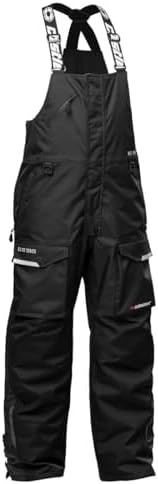
- Fully seam sealed construction
- Reinforced seat, knee, and lower leg panels
- Quick drain mesh leg hem for water drainage

- CUSTOMIZE YOUR COMFORT WITH 3-IN-1 SUIT: The modular all-weather suit is designed with versatility in mind; with a detac…
- FEEL CONFIDENT WITH FLOAT-TECH ON ICY WATER: Fans say they feel confident having loved ones on icy waters thanks to the …
- WE KNOW UNPREDICTABLE WEATHER (DESIGNED IN THE USA): Straight from the WindRider HQ, the Hayward Suit is designed right …
Frequently Asked Questions
What should I wear ice fishing?
Three layers: a moisture-wicking synthetic or merino base layer, an insulating fleece or down mid layer, and a windproof and waterproof outer shell. Add insulated boots rated well below the actual temperature, a warm hat, and two pairs of gloves so you always have a dry set.
Are ice fishing float suits worth it?
Yes. A float suit provides flotation and buoyancy if you go through the ice, which buys you the time you need to get back onto solid ice. It costs more than a standard snowmobile suit but it is the single most valuable safety purchase in ice fishing.
Why should you never wear cotton ice fishing?
Cotton absorbs moisture and holds it against your skin, and wet fabric pulls heat away from your body many times faster than dry fabric. A cotton hoodie or jeans that get damp from sweat or splashing water turn into a refrigeration system.
What temperature rating do I need for ice fishing boots?
Look for boots rated to at least minus forty. Ratings assume you are walking and generating heat, and ice fishing involves long periods of standing still on ice, so a boot rated to minus twenty will feel inadequate at ten degrees above zero.
How do you keep your hands warm while ice fishing?
Carry two pairs: thin liner gloves you can tie knots and handle jigs in, and heavy insulated mitts you put on between fish. Keep a dry towel in your sled to wipe hands before putting the mitts back on, since wet hands inside insulation is the fastest way to lose feeling.

Written by Jake Miller · Camping & Gear
Jake grew up pitching tents before he could drive and has spent 15+ years camping, car-camping, and gear-testing his way across the country. If it can be cooked over a fire or packed into a trunk, he has an opinion on it.