
Heads up: this post contains affiliate links. If you buy through one, we may earn a small commission at no extra cost to you. As an Amazon Associate, we earn from qualifying purchases.
⚡ Quick Answer: Buy boots rated to at least minus 40 with removable liners and a roomy fit, and wear one pair of wool socks rather than two thin pairs. For hands, use a two-glove system: a thin liner glove you keep on for handling line and fish, plus heavy insulated mitts you put back on between jobs. Wet hands are the real enemy, so bring spares of both.
Ice fishing trips almost never end because the fishing was bad. They end because someone cannot feel their toes. Your core is easy to keep warm with layers; your hands and feet sit still, in contact with cold, doing fiddly wet jobs, and they are where the whole day is won or lost.
Boots: fit matters more than the rating
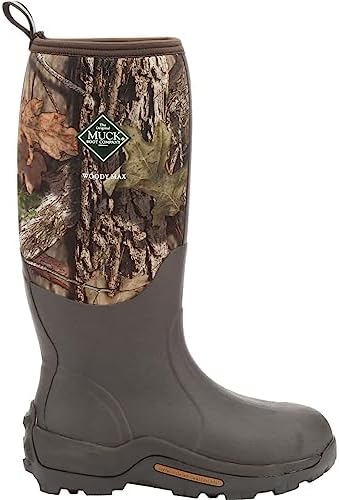
You will see boots advertised at minus 40, minus 60, even lower. There is no shared industry test behind those numbers the way there is for sleeping bags, so treat them as tiers rather than promises. What actually determines warmth is insulation thickness, whether the liner comes out, and above all fit.
- Size up half to a full size. You need air space around your foot. A tight boot compresses insulation and restricts blood flow, which is a double penalty.
- Removable liners are essential. Liners soak up sweat all day, and a boot you cannot dry is cold tomorrow.
- Look for a rated pack boot with a waterproof rubber lower and an insulated upper. Slush on the ice is real and constant.
- Aggressive lugs, and consider ice cleats. Wet ice near holes is genuinely dangerous, and a fall on ice with an auger in your hand is a bad day.
- Gaiters or a snow cuff to keep powder out of the boot top when you are walking out.
The sock mistake almost everyone makes
Two pairs of socks feels warmer and is usually colder, because it fills the air space and compresses the insulation. One good merino wool sock of medium weight, in a boot with room, beats two thin pairs nearly every time. Never wear cotton. And pack a spare pair to change into at midday, because dry socks are the fastest way to reset cold feet.
Gloves: run a two-glove system
You cannot do ice fishing tasks in heavy mitts, and you cannot stay warm in thin gloves. So stop trying to solve it with one pair.
- Liner glove: thin merino or synthetic, stays on all day, gives you enough dexterity for line, knots, and jigs. Buy three pairs, because they get wet.
- Heavy mitts: waterproof shell, serious insulation, worn over the liners between tasks. Mittens beat gloves for warmth because fingers share heat.
- A clipped towel: the unglamorous essential. Dry your hands before the mitts go back on, every time.
- Chemical warmers: a few packs in the bucket cost almost nothing and can rescue a trip.
The discipline is putting the mitts back on immediately after each job rather than fishing bare-handed because it is easier. Hands that get properly cold take a long time to recover, and once they are numb you have lost the dexterity you removed the mitts for in the first place.
Watch for the real risk, not just discomfort
Numb, waxy, or hard white patches on fingers or toes are frostbite, not just cold. Rewarm gradually with skin-to-skin contact or warm, not hot, water, and do not rub the area or use direct heat. If sensation does not return, or if the skin blisters, that is a medical issue and the trip is over. Anyone who has had a cold injury before is markedly more susceptible in the same spot.
How this fits the rest of the layering system
Extremities go cold when your core is cold, because your body constricts peripheral circulation to protect the middle. So warm hands actually start with a good base layer and a well-insulated torso; see our base layer guide and the full walkthrough in how to dress for ice fishing.
Sitting still is the other half. A shelter out of the wind changes the effective temperature enormously, and an insulated bucket seat keeps you off the ice itself. Warm drinks help more than they should, and an insulated bottle is what makes that possible hours from the truck.
Before you head out
- Liners dried overnight and back in the boots.
- One pair of wool socks on, one spare in the bucket.
- Three pairs of liner gloves, mitts, towel, chemical warmers.
- Ice cleats if there is any chance of bare wet ice.
- Ice thickness confirmed for the day, per the ice safety guide, because none of the rest matters if the ice is wrong.
If this is your first trip, run through the first ice fishing trip checklist as well, and our full ice fishing gear guide covers everything else that goes in the sled.
Recommended Gear

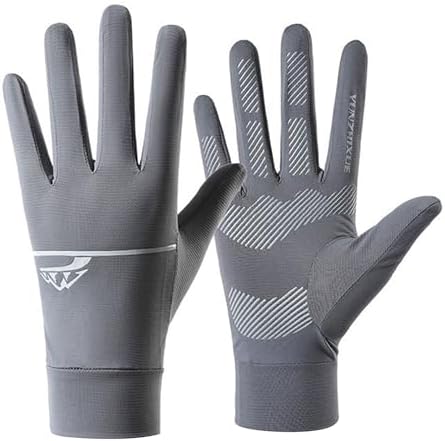
- Cool and Thin – Men’s and women’s driving cycling gloves are made of ice silk fabric. soft, skin-friendly, breathable, s…
- Non Slip Silicone Strip Design – anti-slip strips on the palm enhance grip, soft and wear-resistant, so easy to hold you…
- UPF50+ Sun Protection Gloves – Full finger sunproof gloves effectively block 95% ultraviolet rays and keep your hands dr…

- 💧RIGRIG Waterproof Gloves – Designed with double-layer fully dipped latex, this pair of gloves effectively resists bitin…
- 🔥 Ultra-Warm Inner Lining – These gloves are crafted with ultra-warm acrylic terry lining to lock in body heat consisten…
- 💪 Durable & Excellent Grip Waterproof Gloves – Full-hand sanded coating offers superior non-slip grip even when wet. Ide…
Frequently Asked Questions
Why are my feet cold in boots rated to minus 40?
Almost always fit or moisture. Boots that are tight, or stuffed with two pairs of socks, compress the insulation and restrict circulation, which makes them far colder than the rating suggests. Damp socks from sweat do the same. Size up, wear one wool pair, and change socks midday.
What do those boot temperature ratings mean?
Very little in a standardised sense; unlike sleeping bags there is no shared test. Treat minus 40 as a rough marketing tier rather than a guarantee, and pay more attention to insulation thickness, liner removability, and fit.
Mittens or gloves for ice fishing?
Both. Mittens are significantly warmer because your fingers share heat, but you cannot tie a knot in them. The standard solution is a thin liner glove worn constantly with heavy mitts over the top, removed for the thirty seconds you need dexterity.
Are heated gloves and boot warmers worth it?
Heated insoles and gloves work and are genuinely nice, especially for anyone with poor circulation or a previous cold injury. They are also a battery you have to remember to charge. Chemical toe and hand warmers are a cheap, reliable backup worth keeping in the bucket.
Should boot liners come out?
Yes, look for removable liners specifically. Liners absorb sweat, and a boot you cannot dry properly overnight will be cold the next morning. Pull them out every evening and let them dry away from direct high heat, which damages the foam.
What about wet hands from handling fish?
Unavoidable, so plan for it. Carry two or three pairs of liner gloves and swap as soon as one is soaked, and keep a small towel clipped where you can reach it. A dry towel is one of the most underrated pieces of ice fishing kit.

Written by Jake Miller · Camping & Gear
Jake grew up pitching tents before he could drive and has spent 15+ years camping, car-camping, and gear-testing his way across the country. If it can be cooked over a fire or packed into a trunk, he has an opinion on it.