
Heads up: this post contains affiliate links. If you buy through one, we may earn a small commission at no extra cost to you. As an Amazon Associate, we earn from qualifying purchases.
⚡ Quick Answer: The best hydration packs and bladders for hiking — how many liters you need, the features that matter, top picks, and how to keep a bladder mold-free.
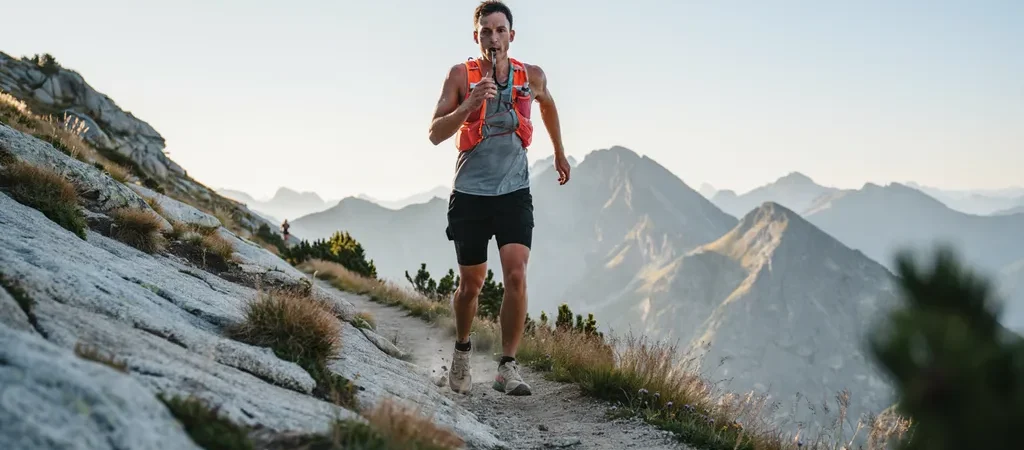
Dehydration sneaks up on hikers: by the time you’re thirsty, performance has already dropped. A hydration pack fixes the real problem — water you have to stop and dig for is water you don’t drink. Sip-as-you-go through a hose and you’ll finish climbs stronger without breaking stride. Here’s how to choose one.
Bladder Size and Pack Style
- 1.5–2L: short hikes, trail runs, bike rides. Small, light, fast.
- 2.5–3L: the day-hike sweet spot — a half-day of water for most people in most weather.
- Bladder-only: already love your daypack? Most packs have a sleeve and hose port — just add a reservoir.
- Full hydration pack: bladder + storage built together, with the hose routing sorted for you. Best when you want one grab-and-go system.
What to Look For
- Wide-mouth opening: you have to get a hand (or brush) inside to clean it. Narrow-neck bladders grow science experiments.
- Bite valve with shutoff: stops the slow drip on your hip and survives being sat on.
- Quick-disconnect hose: refills without re-threading the hose through the pack — a small feature you’ll appreciate every trip.
- Back panel ventilation: a sweaty slab of water against your spine gets old by mile three.
Top Picks
A dedicated hydration pack for grab-and-go days, and quality reservoirs to upgrade the pack you already own:

- 2-Liter Hydration Bladder Included: Stay hydrated during long rides without bulky gear.
- Low-Profile Design: Slim silhouette minimizes movement and eliminates bounce.
- Adjustable Fit: Chest and shoulder straps allow for a customized, secure fit.

- nylon
- Imported
- Streamlined & Secure Fit: This compact pack is designed to move with you. Its sculpted profile 19.5”x8.7”x2.6” contours …

- DESIGNED FOR VESTS: This streamlined, lightweight 1.5-liter reservoir is optimized for use in Osprey running and biking …
- SLIDE-SEAL OPENING: Easy Slide-Seal top opening seals watertight and provides wide access for easy filling and cleaning
- EASY ON/OFF: Hydrapak Comet bite valve offers fast, smooth water flow with a thumb-operated, 1/4-twist on/off switch

- Synthetic
- Imported
- High‑Flow Hydration for Extended Missions: Crux design delivers increased water flow per sip to help support sustained p…
How Much to Drink
A working rule: about half a liter per hour of moderate hiking, more in heat, altitude, or on sustained climbs. Start hydrated (drink before you drive), sip constantly instead of chugging at breaks, and add electrolytes on long, sweaty days — plain water alone can leave you depleted on all-day efforts.
Keeping It Clean
- Empty and air-dry after every trip — hang it open, or store the bladder in the freezer between hikes (freezing stops growth).
- Wash with warm soapy water weekly in season; cleaning tablets handle funk.
- Run a cleaning brush (or knotted cord and cloth) through the hose occasionally — it’s the part everyone forgets.
- Stick to water in the bladder; sugary drinks belong in a bottle you can actually scrub.
On longer routes, pair the pack with a filter from our water filter guide so streams become refill stations, and check the rest of the kit against our day-hike checklist.
Frequently Asked Questions
What is a hydration pack?
A hydration pack is a backpack or vest with a built-in water reservoir and a drinking tube, letting you sip water hands-free while hiking, biking, or running. Most also have storage for gear. They make it easy to drink often and stay hydrated without stopping to dig out a bottle.
What size hydration reservoir do I need?
A 1.5 to 2 liter reservoir suits most day hikes and rides, while hot conditions, long efforts, or limited refills call for 3 liters. Consider how far you go between water sources. You can always carry a reservoir partly full to save weight when you do not need the full capacity.
How do you clean a hydration bladder?
Rinse it after each use, and for a deeper clean use warm water with a little mild soap or a cleaning tablet, scrub with a reservoir brush, and clean the tube with a tube brush. Dry it fully with the reservoir propped open to prevent mold, and store it in the freezer between trips if needed.

Written by Sarah Brooks · Hiking & National Parks
Sarah fell in love with the outdoors on a childhood trip to the Smokies and has logged thousands of trail miles across 30+ national parks since. She is happiest above treeline with a map in hand.