
Heads up: this post contains affiliate links. If you buy through one, we may earn a small commission at no extra cost to you. As an Amazon Associate, we earn from qualifying purchases.
⚡ Quick Answer: Beginner-friendly summit hikes with huge payoffs across the US — how to pick a first peak, and the small kit that keeps a first summit safe and fun.
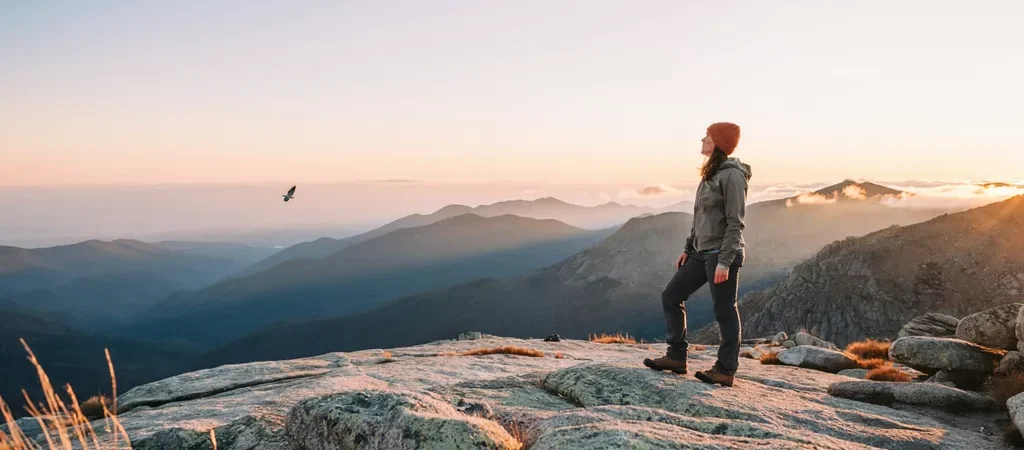
There’s nothing quite like standing on top of a mountain — but you don’t need mountaineering skills or a multi-day expedition to earn that view. Plenty of summits across the country are reachable by a determined beginner in a morning, with a real payoff waiting at the top. Here’s how to pick a first summit and a handful worth putting on your list.
What Makes a Summit Beginner-Friendly
Look for three things: a round-trip distance under about six miles, elevation gain under roughly 2,000 feet, and a well-marked, established trail. Bonus points if there’s cell service and other hikers around. Beginner-friendly doesn’t mean effortless — most of these still involve a solid climb — but it means the route is forgiving if you take it slow and turn around when you need to.
Beginner Summit Hikes With Big Payoffs
- Mount Monadnock, New Hampshire — one of the most-climbed peaks in the world, with a bald granite summit and 360-degree views.
- Bear Mountain, New York — a well-graded climb above the Hudson with a stone tower at the top.
- Camelback Mountain (Echo Canyon), Arizona — short but steep desert scramble with city and mountain views; go early to beat the heat.
- Mount Sanitas, Boulder, Colorado — a punchy 3-mile loop with Front Range panoramas.
- Angels Rest, Columbia River Gorge, Oregon — a classic 4.5-mile round trip to a cliff-edge view of the river.
- Mount Tammany, New Jersey — the Delaware Water Gap’s showpiece, about 3.5 miles with a dramatic overlook.
The Small Kit That Keeps a First Summit Safe
Exposed summits mean more sun and more weather. Gaiters keep trail grit and scree out of your boots on the loose upper sections, a compact first-aid kit handles the scrapes that come with rocky terrain, and a wide-brim sun hat is your best friend once you climb above the tree line. Add water, snacks, and a layer, and you’re set.


- 𝙐𝙡𝙩𝙧𝙖𝙡𝙞𝙜𝙝𝙩 𝙈𝙞𝙣𝙞 𝙈𝙚𝙙 𝙆𝙞𝙩: Made from durable rip-stop nylon, the Micro Med Kit is extremely lightweight, compact, and easy…
- 𝙐𝙡𝙩𝙧𝙖𝙡𝙞𝙜𝙝𝙩, 𝘾𝙤𝙢𝙥𝙖𝙘𝙩 & 𝙏𝙧𝙖𝙫𝙚𝙡-𝙁𝙧𝙞𝙚𝙣𝙙𝙡𝙮 & 𝙏𝙎𝘼-𝘼𝙥𝙥𝙧𝙤𝙫𝙚𝙙: The Micro Med Kit measures 5” x 4.5” x 1” and weighs only 6.7 oz, …
- 𝙀𝙨𝙨𝙚𝙣𝙩𝙞𝙖𝙡 𝙁𝙞𝙧𝙨𝙩 𝘼𝙞𝙙 𝘾𝙤𝙫𝙚𝙧𝙖𝙜𝙚, 𝙎𝙢𝙖𝙡𝙡 𝙗𝙪𝙩 𝙈𝙞𝙜𝙝𝙩𝙮: The Micro Med Kit is compact yet fully equipped with 50 essential medica…

New to hiking altogether? Start with how to start hiking, and gear up with our Best Hiking Gear guide before your first summit.
Frequently Asked Questions
What are good beginner summit hikes?
Good first summits are shorter peaks with well-marked trails, moderate elevation gain, and a big payoff view, found throughout the national and state parks. Choose a summit within your fitness range, start early, and build up to bigger peaks as your endurance and confidence grow.
How do I prepare for my first summit hike?
Build fitness with regular walks and shorter hikes, then choose a summit with moderate mileage and elevation gain. Start early to allow plenty of time, check the weather, carry the ten essentials and extra water, and set a turnaround time so you descend safely regardless of whether you reach the top.
How long does it take to hike a mountain?
It varies widely with distance and elevation gain, but a common rule of thumb adds significant time for climbing, roughly an extra hour for every 1,000 to 2,000 feet of gain on top of your normal pace. Plan conservatively, since the descent takes longer than people expect.
Written by Sarah Brooks · Hiking & National Parks
Sarah fell in love with the outdoors on a childhood trip to the Smokies and has logged thousands of trail miles across 30+ national parks since. She is happiest above treeline with a map in hand.