
Heads up: this post contains affiliate links. If you buy through one, we may earn a small commission at no extra cost to you. As an Amazon Associate, we earn from qualifying purchases.
⚡ Quick Answer: The best tackle storage for most anglers is a soft tackle bag holding standardized 3600/3700-size trays — infinitely reorganizable, boat-friendly, and cheap to expand. Bank and kayak anglers should go small and waterproof; kids start with a classic hip-roof box. Whatever you pick: ventilate wet lures, or rust eats the collection.
Tackle has a way of multiplying — one pond box becomes a garage shelf of mystery crankbaits. The right storage system tames it: everything findable, nothing rusting, and the day’s selection grab-and-go. Here’s how modern anglers organize, and the boxes and bags that work.
The Tray System (Why It Won)
The industry standardized on clear plastic trays — “3600” and “3700” sizes — with adjustable dividers. Your storage becomes a bag or box that holds trays: one tray for crankbaits, one for soft plastics, one for terminal tackle. Heading out for bass only? Grab two trays. Everything else stays home, organized. It’s LEGO for fishing.
Match the Box to Your Fishing
- Soft tackle bags: the modern default — tray storage plus pockets for pliers, line, and the stuff with no category. Comfortable to carry, sits anywhere.
- Hard boxes: stand up to truck beds and boat lockers; the hip-roof classic is still the best kids’ first box (and nostalgia in a handle).
- Waterproof boxes: kayak and wade anglers — one splash-proof latch box beats a soaked bag of rusting hooks.
- Backpack style: bank anglers who hike to spots — hands free for rods and coffee.
Top Tackle Storage

- KEY FEATURES – Main compartment to store the tackle trays, fishing lures, and fishing tools – Easy access wide-mouth des…
- TOUGH AND WATER RESISTANT – KastKing Karryall Tackle Bags are made of tear and abrasion resistant 600D oxford material, …
- EASY ACCESS & ORGANIZATION – The Karryall Tackle Bag is perfect for organizing fishing gear. A large main part of the ta…
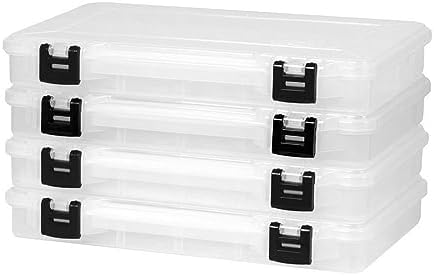
- PLANO PROLATCH 3700 STOWAWAY TACKLE BOX 4-PACK: The Plano ProLatch StowAway tackle box organizer features 4 fixed compar…
- VERSATILE TACKLE ORGANIZATION: Perfect for organizing flies, lures, hooks and more, this 3700 size tackle box will becom…
- PROLATCH LOCKING SYSTEM prevents unexpected spills and keeps all of your gear secure and protected out on the lake, in t…

- Available in Two Sizes: The KastKing HyperSeal Waterproof Tackle Box comes in two different sizes, 3600 and 3700 boxes t…
- Adjustable Dividers: The tackle organizer has adjustable dividers that allow the angler to create a custom fit for all s…
- Waterproof and Secure: The HyperSeal Tackle box is fully waterproof to prevent rust. It is shock and wear-resistant, and…
Organization That Sticks
- Organize by species-trip, not by lure type alone: a “panfish tray,” a “bass tray,” a “catfish tray” — grab the day’s plan.
- Terminal tackle (hooks, weights, swivels) gets its own small tray — the loose-bag alternative ends in blood.
- The rust rule: never close wet lures in a sealed tray. Air-dry after every trip, or drop a desiccant pack in each tray. Rust spreads like rumor.
- Soft plastics stay in their original bags (loose plastics melt into modern tray plastic), corralled in one zipper pocket.
- Once a season: dump, purge, and consolidate. The lures you never throw are weight, not options.
Stock the trays wisely with our bait guide and lure basics, and keep the whole kit riding along with the right reel and line. Organized tackle catches more fish for one simple reason: you actually retie when everything’s findable.
Frequently Asked Questions
What size tackle box do I need?
It depends on how much gear you carry. A small tackle box or a single tray suits beginners and short outings, while a larger box or a tackle bag with multiple trays holds a broad selection for varied fishing. Choose enough capacity for your lures, hooks, and terminal tackle with a little room to grow.
What is the difference between a tackle box and a tackle bag?
A traditional hard tackle box is durable and stands up to rough handling, while a soft tackle bag holds interchangeable utility boxes and is easier to carry and organize. Bags are popular for flexibility and comfort, while hard boxes shine for durability and simple, all-in-one storage.
How do you organize a tackle box?
Group similar items together, separating lures by type, hooks by size, and terminal tackle like weights and swivels into their own compartments. Keep frequently used items accessible, and use small utility boxes for organization. Rinse and dry hooks and lures after saltwater trips to prevent rust.

Written by Tom Rivera · Fishing & Hunting
Tom has spent four decades outdoors — on lakes, rivers, and treestands — and still fishes most weekends. These days his favorite catch is watching his grandkids reel in their first bluegill.