
Heads up: this post contains affiliate links. If you buy through them, WildMorrow may earn a small commission at no extra cost to you. As an Amazon Associate, we earn from qualifying purchases.
⚡ Quick Answer: Cast iron care made simple: what seasoning really is, how to season and re-season, why a little soap is fine, the drying-and-oiling step everyone skips, and how to fix rust.
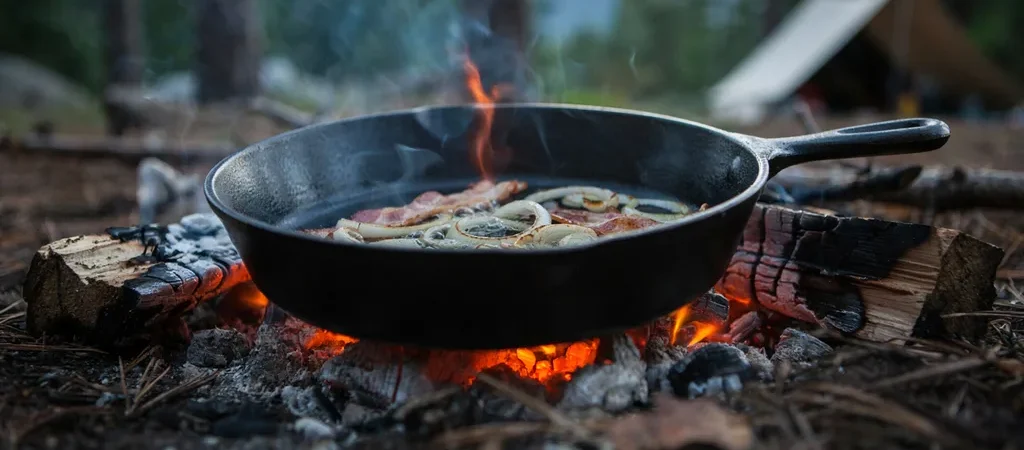
A well-seasoned cast iron skillet is the closest thing to a magic pan: naturally nonstick, oven-and-campfire proof, and capable of lasting a hundred years. Yet cast iron scares people, wrapped in myths about soap and rust and ruined seasoning. The truth is refreshingly simple. Here’s how to season, clean, and care for cast iron so it gets better every single time you cook.
What “seasoning” actually is
Seasoning isn’t a coating you buy, it’s layers of oil baked onto the iron until they polymerize into a hard, slick, naturally nonstick surface. Every time you cook with a little fat, you add to it. That’s the whole secret: cast iron isn’t fragile, it’s a surface you build over time, and cooking is what maintains it.
How to season (or re-season) cast iron
New pans usually come pre-seasoned, but here’s the method for a fresh pan or a rescue job: scrub it clean and dry it completely, rub a very thin layer of oil (or a dedicated seasoning wax) over every surface, then wipe it back off so it looks almost dry (too much oil turns sticky). Bake upside down at 450 to 500 degrees for an hour, let it cool in the oven, and repeat two or three times for a fresh pan. Thin layers, high heat, patience.
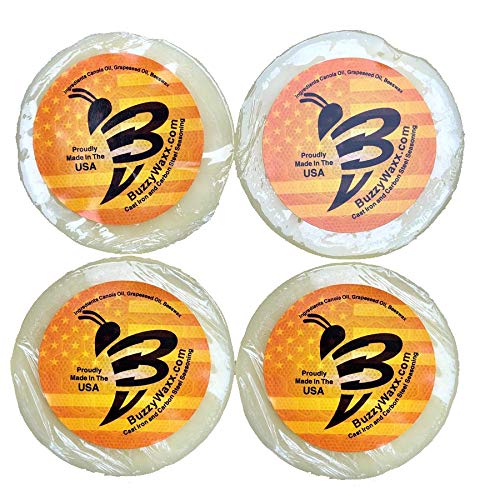
- Discover the pinnacle of cast iron care with our exceptional Cast Iron Seasoning Blend. Expertly crafted from a harmonio…
- Using only locally sourced beeswax and oils from trusted US farms and suppliers, we hand-select the finest batches for o…
- Our carbon steel pan seasoning wax is incredibly versatile and effective. Its application goes beyond carbon steel, exte…

- Protects your Hands from heat as a lid or bail lifter
- Use as a trivet for your lid, or flip it and use your lid as Extra cooking surface
- Made of durable 9mm bar stock; folds up for easy storage

- Scrubs without soap to preserve seasoning and protect surfaces
- Smart bristle pattern effectively cleans flat and ridged cookware
- Angled bristle design provides leverage and gets into grooves
Cleaning: yes, you can use a little soap
The old “never use soap” rule dates to when soap contained lye; modern dish soap is fine in small amounts and won’t strip a good seasoning. The real method: while the pan is still warm, rinse with water and scrub with a brush or a chainmail scrubber (magic for stuck-on bits), avoid long soaking (that causes rust), then, most importantly, dry it immediately and completely. A minute on low heat drives off every trace of water.
The one step everyone skips
After drying, rub in a whisper-thin layer of oil while the pan is warm and buff it until it looks dry, not greasy. This final wipe is what prevents rust and builds seasoning over the years. Skip it and you’ll fight rust; do it and your pan turns glassy-smooth over time. Thirty seconds, every time.
Fixing rust and storing
Rusty pan? Don’t toss it, cast iron is nearly indestructible. Scrub off the rust (steel wool is fine here), wash, dry, and re-season from scratch, good as new. Store in a dry spot with a paper towel inside to wick moisture. Treated this way, a cast iron skillet or Dutch oven becomes an heirloom. Put yours to work with our campfire cooking and Dutch oven guides.
Frequently Asked Questions
How do you clean cast iron after cooking at camp?
Scrape out food while the pan is warm, rinse with hot water, and scrub with a brush or coarse salt — no soap needed for routine cleaning. Dry it completely over the fire or stove, then wipe on a thin coat of oil before storing.
Why is my cast iron rusting?
Rust means moisture sat on bare iron — usually from air-drying, storage in a damp bin, or a worn seasoning layer. Scrub the rust off with steel wool, re-season with thin coats of oil baked past the smoke point, and always dry thoroughly after washing.
What oil is best for seasoning cast iron?
Any neutral oil with a high smoke point works: canola, vegetable, or grapeseed are cheap and effective. Apply a very thin layer, wipe off the excess, and heat until it stops smoking. Thin coats repeated over time beat one thick coat every time.

Written by Sarah Brooks · Hiking & National Parks
Sarah fell in love with the outdoors on a childhood trip to the Smokies and has logged thousands of trail miles across 30+ national parks since. She is happiest above treeline with a map in hand.