
Heads up: this post contains affiliate links. If you buy through one, we may earn a small commission at no extra cost to you. As an Amazon Associate, we earn from qualifying purchases.
⚡ Quick Answer: To catch more catfish, fish near the bottom with cut bait, nightcrawlers, or stinkbait around structure like holes, logs, and channel edges. Fish in the evening and after dark when catfish feed most actively, use a simple slip-sinker rig, and be patient. Bigger baits tend to attract bigger catfish.
Catfish are one of the most accessible and rewarding fish to target: they grow large, fight hard, taste great, and live in rivers, lakes, and ponds all across the country. They are also forgiving of beginners, since the gear and tactics are simple. Whether you want a relaxing evening on the bank or a shot at a true trophy, these tips will help you catch more catfish.
Know Your Catfish
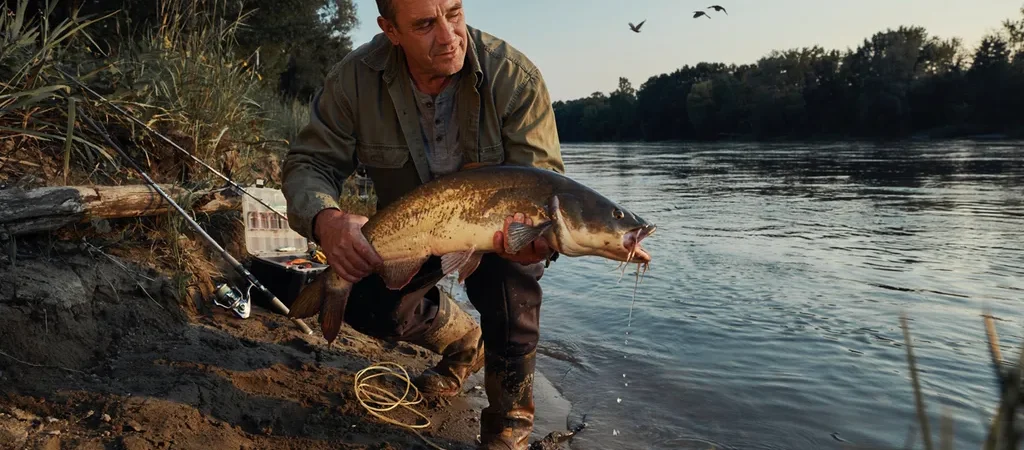
Three species make up most catfishing. Channel catfish are the most widespread and willing biters, perfect for beginners and found nearly everywhere. Blue catfish grow the largest and love bigger cut baits in rivers and reservoirs. Flathead catfish prefer live bait and hunt near heavy cover. Knowing which species you are after helps you choose the right bait and spot.
Best Baits for Catfish
Catfish find food by smell and taste, so scent-heavy baits shine. Cut bait, meaning chunks of oily fish like shad or skipjack, is deadly on channels and blues. Nightcrawlers and chicken livers are classic, easy choices, and prepared stinkbaits and dip baits work well for smaller channel cats. For big flatheads, a lively live bait such as a sunfish is hard to beat. As a rule, bigger baits tend to sort out bigger fish.
Where to Find Them
Catfish relate to the bottom and to structure that holds food and gives cover. Look for deeper holes, especially in river bends, along channel edges and drop-offs, and near submerged logs, rock piles, and undercut banks. In current, cats often hold behind objects that break the flow and wait for food to wash by. In lakes and ponds, focus on the deepest water and any structure you can find.
Simple, Effective Rigs
- Slip-sinker rig: a sliding egg sinker above a swivel, a leader, and a hook lets a cat take the bait without feeling resistance.
- Slip-bobber rig: suspends bait at a set depth over cover, great for flatheads and shallow feeders.
- Three-way rig: holds bait just off the bottom in current, useful in rivers.
- Use a strong, sharp circle or octopus hook sized to your bait, and enough weight to hold the bottom.
Timing and Patience
Catfish feed most actively in low light and after dark, so evening and nighttime sessions are often the most productive, especially in warm months. Warm water generally means hungrier, more active catfish. Once you cast out, be patient and let the scent of your bait draw fish in, watching your rod tip for the telltale thump. Sometimes the best tactic is simply to wait.
Get Out There
Catfishing rewards simple gear, smelly bait, and a little patience. Fish the bottom near structure, go at dusk and after dark, match your bait size to the fish you want, and keep your hooks sharp. Few kinds of fishing are as beginner-friendly or as capable of surprising you with a real bruiser on the end of the line.
Recommended Gear

- 【COMPLETE SANTEE COOPER SETUPS – READY TO CAST】 Skip the complex tying and get straight to the action. This tournament-g…
- 【PRO-GRADE 5-TRAY ORGANIZER – ZERO TANGLE】 Ditch the messy tackle bags. Our kit is housed in a rugged, heavy-duty master…
- 【MAXIMUM ATTRACTION & SOLID HOOKUPS】 Scientifically configured to trigger aggressive strikes from bottom-feeders. The hi…
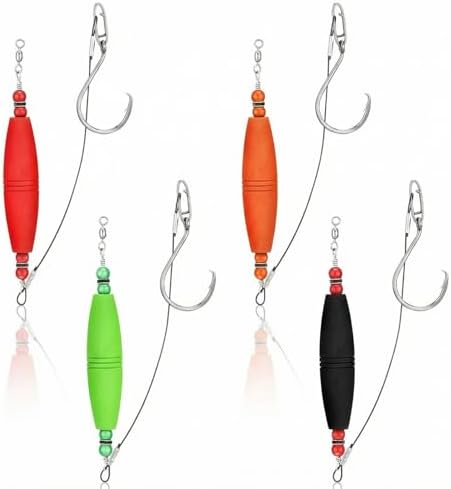
- What Dou You Get: the set includes 4 catfish float rigs in total, with 1 rig in each of 4 high-visibility colors: black,…
- Suitable Size and Material: the catfish float rig about 15 inches in length and catfish float about 3 inch, crafted from…
- High Tensile Strength: our catfish rigs use accessories, such as Circle hooks, nylon coated stainless steel wire, and Sn…

- Pre-tied Catfish Rigs for Easy Fishing: These hand-tied catfish rigs come ready-to-use, saving you time and effort. Buil…
- Versatile Fishing Rig with Adjustable Float: The bright catfish bobbers and float with plug allow flexible depth adjustm…
- Enhanced Attraction with Double Rattle Beads: The Santee rig kit is equipped with double rattle beads to create sound vi…
Frequently Asked Questions
What is the best bait for catfish?
Catfish hunt by smell, so scent-heavy baits work best. Cut bait made from oily fish like shad is deadly on channel and blue catfish, while nightcrawlers and chicken livers are easy, effective choices. For big flathead catfish, a lively live bait such as a sunfish is hard to beat. Bigger baits tend to attract bigger fish.
When is the best time to catch catfish?
Catfish feed most actively in low light and after dark, so evening and nighttime sessions are often the most productive, especially in warm months. Warm water generally means hungrier, more active catfish. Fish the bottom near structure and be patient, letting the scent of your bait draw fish in.
Where do catfish hang out?
Catfish relate to the bottom and to structure that holds food and gives cover. Look for deeper holes, especially in river bends, along channel edges and drop-offs, and near submerged logs, rock piles, and undercut banks. In current, they often hold behind objects that break the flow and wait for food to drift by.

Written by Tom Rivera · Fishing & Hunting
Tom has spent four decades outdoors — on lakes, rivers, and treestands — and still fishes most weekends. These days his favorite catch is watching his grandkids reel in their first bluegill.