
Heads up: this post contains affiliate links. If you buy through them, WildMorrow may earn a small commission at no extra cost to you. As an Amazon Associate, we earn from qualifying purchases.
⚡ Quick Answer: Trail running for beginners: why you walk the hills and run the flats, how to read technical terrain, the three pieces of gear that matter, and how to build up safely.
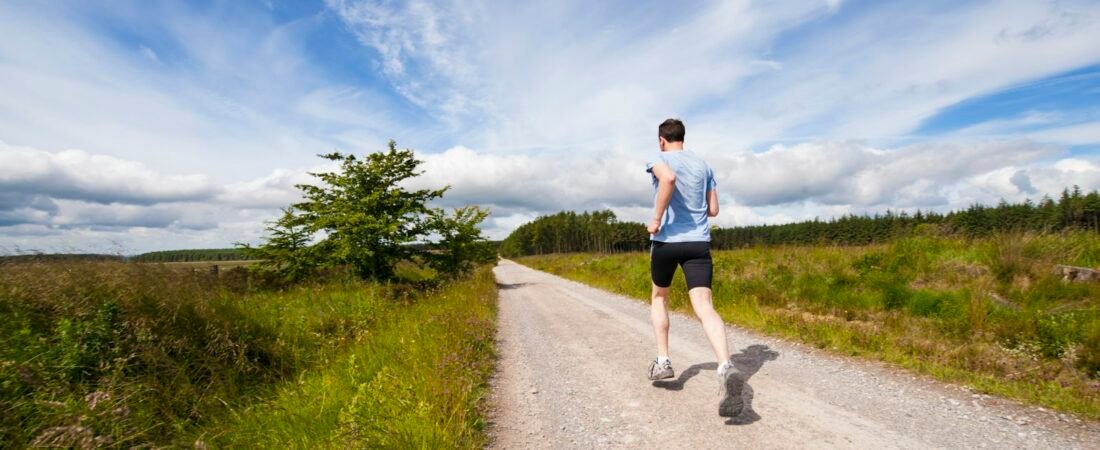
Trail running is what happens when hiking and running have a baby that’s more fun than either parent. Soft dirt instead of pounding pavement, birdsong instead of traffic, and views that make you forget you’re exercising. It’s also gentler on the mind than road running and endlessly more interesting. Here’s how to start trail running without turning an ankle or hating your first outing.
Rule one: walk the hills, run the flats
Trail running is not road running on dirt. The single biggest mindset shift for beginners: power-hike the steep uphills without guilt (even elite trail runners walk climbs), run the flats and gentle grades, and control your descents. Effort, not pace, is the metric out here. Your road pace is meaningless on a rooty climb, and chasing it is how beginners burn out.
Watch your feet, then the view
Roots, rocks, and ruts are the trail’s little tests. Keep your eyes scanning three to six feet ahead, take shorter quicker steps than you would on the road, and lift your feet a little higher than feels necessary. Stop to enjoy the view; don’t gawk at it mid-stride. Your ankles will thank you.
The gear that actually matters
You need less than the running-store wall suggests, but three things earn their cost: trail shoes with real grip and rock protection (road shoes slip and bruise), a way to carry water hands-free on anything over a few miles, and socks that fight blisters on rough ground.


- The go-to hydration vest for trail runner while training and racing. The updated Adv Skin 12 offers excellent fit, loads…
- Comfort: The Salomon Sensifit design wraps around your torso with stretch, breathable fabrics and lightweight adjustment…
- 10+ Pockets: 1 back main zipped compartment, 2 front stretch pockets, 2 front flask pockets, 1 back pocket with 2 side a…

Build up smart
If you already run roads, cut your distance in half for the first few trail outings; the same mileage is far harder on dirt and hills. If you’re new to running entirely, start with a run-walk approach on gentle, wide trails and progress to technical terrain as your balance and confidence grow. Two or three short outings a week beats one heroic effort that leaves you sore for a week.
Stay safe out there
Trails add variables roads don’t: no streetlights, spotty signal, and wildlife. Tell someone your route and return time, carry a charged phone with an offline map, bring more water than a road run, and pack the basics from our outdoor safety guide. Then pick a mellow trail, slow down, and let the woods do what pavement never could. When you want to go long, our best trails guide has your next adventure.
Frequently Asked Questions
How do I start trail running as a road runner?
Slow down 1–2 minutes per mile and run by effort, not pace — hills and terrain reset every metric. Walk the steep climbs (everyone does), shorten your stride, and lift your gaze ten feet ahead rather than at your toes.
Do I need trail running shoes?
On smooth, dry trails, road shoes work fine to start. Once mud, rocks, or steep grades appear, trail shoes earn their price with lugged outsoles, rock plates, and reinforced uppers. Fit matters more than brand: a thumb’s width of toe room, locked heel.
How do you avoid rolling an ankle trail running?
Shorter, quicker steps with your feet under your hips, eyes scanning ahead, and gradual exposure — ankle strength builds with terrain time. Poles help on technical descents, and taping helps history-of-sprain runners. Fatigue causes most rolls; end runs before form dies.
Written by Sarah Brooks · Hiking & National Parks
Sarah fell in love with the outdoors on a childhood trip to the Smokies and has logged thousands of trail miles across 30+ national parks since. She is happiest above treeline with a map in hand.