
Heads up: this post contains affiliate links. If you buy through one, we may earn a small commission at no extra cost to you. As an Amazon Associate, we earn from qualifying purchases.
⚡ Quick Answer: Snake bite first aid that actually works — the steps to take in the first hour, the movie myths to avoid (no cutting, no tourniquets, no ice), and how to prevent bites.
About 7,000–8,000 people are bitten by venomous snakes in the US each year — and almost all of them survive, especially the ones who do a few simple things right in the first hour. Just as important: most of the “snakebite first aid” you learned from old movies makes things worse. Here’s what actually helps, what actually harms, and how to avoid the bite in the first place.
If You or a Partner Is Bitten
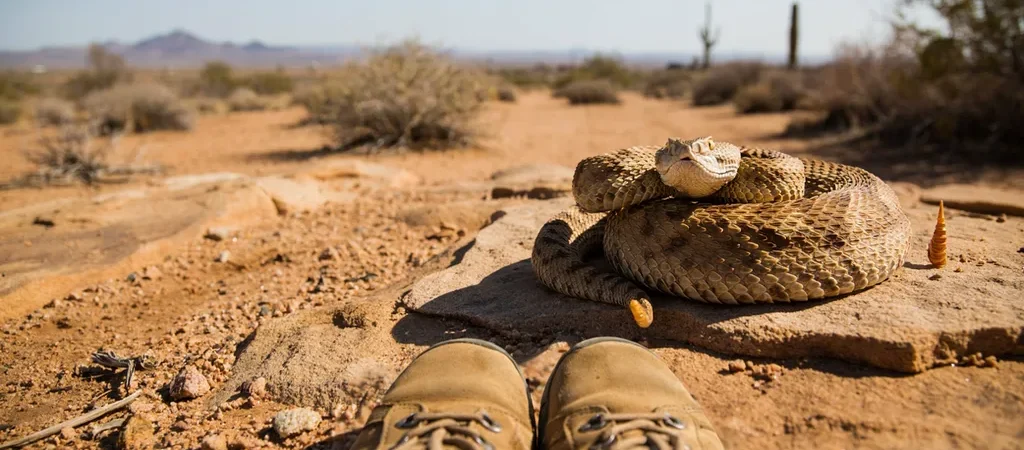
- Move away from the snake — out of striking range (its body length). Don’t try to catch or kill it; a phone photo from distance helps ID, but treatment doesn’t require it.
- Stay calm and still. Panic and exertion speed venom spread. Sit down, breathe, let your heart rate settle.
- Call 911 immediately. Antivenom at a hospital is the treatment — everything in the field is just buying time. No signal? Send someone for help, or walk out slowly and calmly if you’re alone.
- Remove rings, watches, and tight clothing from the bitten limb now, before swelling starts.
- Keep the bite at or slightly below heart level and immobilize the limb loosely, like you would a sprain.
- Mark the swelling edge with a pen and note the time — it helps doctors track progression.
What NOT to Do (The Movie Myths)
- No cutting and sucking. It removes essentially no venom and adds a wound and infection.
- No tourniquets. Concentrating venom in one limb causes worse tissue damage — this advice has cost people limbs.
- No ice. It worsens local tissue injury.
- No alcohol, caffeine, or painkillers like aspirin/ibuprofen (they can worsen bleeding).
- No waiting to “see if it was a dry bite.” Around 20–25% of bites are venomless — but you find that out at the hospital, not at camp.
Know Your Snakes
The US has two venomous families: pit vipers (rattlesnakes, copperheads, cottonmouths — thick bodies, triangular heads) and coral snakes (red-yellow-black banding, mostly in the South). Rattlesnakes account for most serious bites. Nonvenomous snakes bite too — treat any unknown bite seriously and get it checked.
Not Getting Bitten (The Better Plan)
- Watch where you step and reach: never put hands or feet where you can’t see — over logs, into rock crevices, under woodpiles.
- Step ON logs and rocks, then over — snakes shelter against the far side.
- Wear boots and long pants in snake country; most bites are to ankles and hands.
- Give any snake six feet of respect. Most bites happen to people trying to move, catch, or kill one.
- Use a headlamp at night in warm months — many species hunt after dark.
Snakebite is frightening but very survivable — calm, still, and hospital-bound beats every folk remedy ever invented. Build out your trail medical knowledge with our wilderness first aid basics and keep a kit from our first aid kit guide in every pack.
Recommended Gear
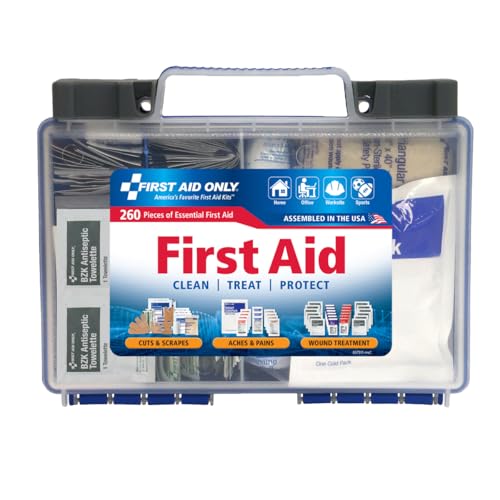
- OSHA-Compliant Emergency Kit: Includes supplies including bandages, gauze, butterfly closures, burn cream packets, antib…
- Convenient Packaging: An ideal office first aid kit, home first aid kit, or car first aid kit, this set of safety-orient…
- Easy Access: This convenient and versatile work, home and car emergency kit features a clear cover and individual compar…


- Protects ankles and calves from venomous snake bites and thorns
- Lightweight, form-fitting design with adjustable straps
- Cool and breathable unlike heavy snake boots
Frequently Asked Questions
What should you do immediately after a snake bite?
Move beyond striking range, sit down, stay calm, remove rings and tight items, keep the bite at heart level, and get to a hospital — antivenom is the treatment, and calling 911 beats hiking fast. Mark swelling edges with a pen and note the time.
What should you never do for a snake bite?
No tourniquets, no cutting and sucking, no ice, no alcohol, and no chasing the snake for identification — a photo from distance is plenty, and treatment does not require the species. Every folk remedy worsens outcomes.
How do you avoid snake bites while hiking?
Watch where feet and hands go: step onto logs rather than over them, skip reaching into brush and rock crevices, wear boots in snake country, and give any snake a wide berth. Most bites happen to people handling or harassing snakes.

Written by Sarah Brooks · Hiking & National Parks
Sarah fell in love with the outdoors on a childhood trip to the Smokies and has logged thousands of trail miles across 30+ national parks since. She is happiest above treeline with a map in hand.