
Heads up: this post contains affiliate links. If you buy through them, WildMorrow may earn a small commission at no extra cost to you. As an Amazon Associate, we earn from qualifying purchases.
⚡ Quick Answer: Snowshoeing for beginners: how snowshoes let you float on snow, choosing the right size, why poles and gaiters matter, dressing in layers, and where to safely start.
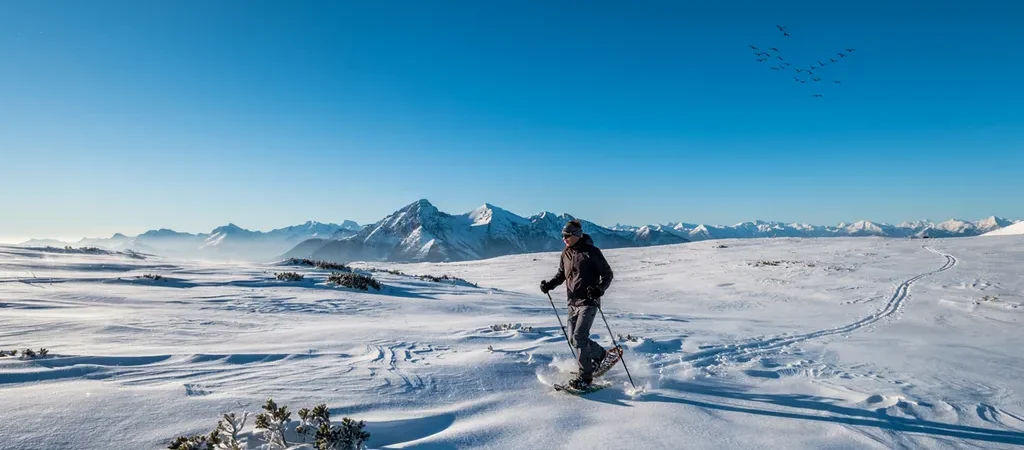
Here’s winter’s best-kept secret: if you can walk, you can snowshoe. There’s no lessons-and-lift-tickets learning curve like skiing, no special skill beyond putting one foot in front of the other. Strap on a pair of snowshoes and suddenly the summer trails you love are transformed into a silent, sparkling world with nobody else on them. It’s the easiest way into winter adventure. Here’s how to start.
How snowshoes actually work
Snowshoes spread your weight over a larger area so you float on top of snow instead of postholing through it up to your thighs. Modern ones are compact aluminum or composite frames with aggressive crampons underneath for grip on packed snow and ice. That’s it. Step, and the snowshoe does the rest.
Choosing your first pair
Pick size by your weight (including pack and winter layers): heavier loads and deeper, fluffier snow need bigger snowshoes for flotation. For rolling terrain and packed trails, a mid-size recreational or trail model is perfect. Look for a simple, glove-friendly binding (you’ll be strapping in with cold hands) and heel lifts if you’ll climb hills, which save your calves on steep grades.

- Strong injection-molded ExoTract deck with steel crampon and perimeter teeth provides torsional flex and excellent grip …
- Paraglide binding stretch mesh hugs feet securely and is compatible with nearly any footwear, from light hikers to snowb…
- Glove-friendly binding straps and buckle tabs are easy to use and make getting in and out quick and simple

- High-strength aluminum construction provides maximum durability
- DynaLock mechanism features tool-free tension adjustment and easy adjustability
- Ergonomic molded grip is comfortable for all day adventures

Poles and gaiters: small things, big comfort
Trekking poles with snow baskets are worth it: they add balance, save energy, and turn a two-legged wobble into a confident four-legged stride, especially on slopes. And gaiters, which wrap your lower leg and boot top, keep snow out of your boots (wet feet end winter trips fast). These two upgrades separate a magical outing from a soggy slog.
Dress for a warm engine in a cold world
Snowshoeing is real exercise, so you’ll warm up fast and sweat if overdressed, then chill when you stop. Layer with a moisture-wicking base, an insulating mid, and a shell, and shed layers before you’re drenched (the system is in our what to wear outdoors guide). Waterproof insulated boots and warm gloves round it out. Carry water (you dehydrate in dry winter air) and snacks.
Where to go and staying safe
Start on flat, packed trails, golf courses, snow-covered hiking paths, or dedicated snowshoe trails at nordic centers. Avoid steep, avalanche-prone slopes entirely until you’ve learned avalanche safety. Days are short, so start early, tell someone your plan, and pack the outdoor safety basics plus extra warmth. Then go enjoy the quietest, most beautiful version of your favorite trail. Winter camping nearby? See our cold-weather camping guide.
Frequently Asked Questions
Is snowshoeing hard for beginners?
If you can walk, you can snowshoe — the learning curve is measured in minutes. Widen your stance slightly, use poles for balance, and expect to work about 1.5 times harder than hiking the same distance on dry trail.
What size snowshoes do I need?
Size to your total weight — body plus pack. Roughly: under 180 pounds total, 21–25 inch shoes; 180–250, 25–30 inches. Powder wants bigger decks, packed trails smaller. Rentals let you dial this in before buying.
What should I wear snowshoeing?
Dress like winter hiking: wicking base layer, fleece mid, shell, warm hat and gloves, wool socks in waterproof boots, and gaiters to keep snow out. You will heat up fast — start slightly cool and shed layers early.
Written by Sarah Brooks · Hiking & National Parks
Sarah fell in love with the outdoors on a childhood trip to the Smokies and has logged thousands of trail miles across 30+ national parks since. She is happiest above treeline with a map in hand.