
Heads up: this post contains affiliate links. If you buy through one, we may earn a small commission at no extra cost to you. As an Amazon Associate, we earn from qualifying purchases.
⚡ Quick Answer: Full-time RV living typically runs
,000–$4,500/month depending on how fast you travel and where you park. Before committing: pick a domicile state (Texas, Florida, and South Dakota are the classics), sort health insurance and mail forwarding, build redundant internet if you work remotely, and take a 3–4 week shakedown trip in all weather before selling anything you cannot rebuy.Every campground has a couple who “came for a summer” five years ago. Full-timing is more possible than ever — remote work normalized it, and the infrastructure caught up. It is also less romantic than the hashtag: budgets, breakdowns, and the eternal question of where the mail goes.
This is the honest primer: what it costs, the paperwork that actually matters, and the shakedown plan that tells you whether the dream fits before you sell the house to find out.
What It Really Costs
Full-timers cluster into three budgets. Lean ($1,500–$2,200/mo): slow travel, heavy boondocking, monthly campground rates, cooking every meal. Middle ($2,500–$3,500/mo): mixed hookups and public land, moving weekly, normal groceries and the occasional brewery. Comfortable ($4,000+): resort parks, fast travel, restaurants. The two levers that dominate everything: how fast you move (fuel is the budget-killer) and nightly rates vs. monthly rates (monthly sites often cost the same as ten nightly ones). Budget 5–10% of the rig’s value annually for maintenance — things shake loose when your house does 70 mph.
The Paperwork: Domicile, Mail, Insurance
You still need a legal home state. Texas, Florida, and South Dakota dominate because they have no state income tax and established mail-forwarding services that double as your legal address (Escapees is the veteran option). Your domicile drives vehicle registration, voting, and — critically — health insurance: check that plans in your chosen state offer nationwide networks before you commit, because this is the single most common full-timer regret.
Internet: The Job Depends on It
Working full-timers run redundancy: Starlink for the boondocks, a cellular plan or two (different carriers) for the trees and travel days, campground Wi-Fi as a bonus never a plan. Test your setup on the shakedown trip against real video calls before your boss finds out the hard way. Power the office with a portable power station and solar and even a forest becomes a branch office.
Choosing the Full-Time Rig
Weekend rigs and full-time rigs are different animals. Full-timers prioritize: four-season insulation, tank capacity for off-grid stretches, a real workspace, quality couch and mattress (the factory one lasts a month — upgrade to a proper short queen and thank yourself daily), and cargo capacity for an entire household. Fifth wheels win on space, Class Bs on agility, Class As on storage. Rent your target class for a week before buying anything.
The Unglamorous Systems That Rule Your Life
Full-timing means becoming fluent in tanks, power, and moisture. A quality sewer setup with proper support, drop-in tank treatments, a surge protector permanently on the cord, a TPMS on every tire, and a dehumidifier running in humid climates — these are the boring purchases that decide whether month three feels like freedom or fatigue. Build the maintenance habit early: roof seals quarterly, bearings annually, and a tool kit you actually know how to use.
The Shakedown: Try Before You Sell
- Take a 3–4 week trip covering hot, cold, and rainy weather — comfort opinions change fast at 38°F and wet
- Work your actual job from the rig for at least one full week
- Track every dollar — your real number beats every blog’s estimate
- Practice a breakdown: know your roadside plan and what a mobile tech visit costs
- Downsize in stages; storage units are regret insurance for the first year
The Part Nobody Regrets
Ask a full-timer what they miss and they will name a bathtub or a garage. Ask what they got and the answers get quiet: sunrise over a different horizon every month, friendships formed in camp chairs, and the discovery that most of what filled the house was never load-bearing. The lifestyle is not for everyone forever — but almost no one regrets the year they tried.
Recommended Gear

- ALL YOUR NEEDS COVERED: High Comfort, adaptive support and breathable. Designed with 2″ of new AquaSoft Memory foam for …
- PROUDLY MADE IN THE USA: We put our hearts into every step, working closely with trusted suppliers and building each mat…
- BEST VALUE FOR MONEY & 10 YEAR WARRANTY: We believe in delivering the best value for your money. That’s why this mattres…

- 16-treatment RV tank treatment pods designed for frequent RV use; consistent, reliable performance with every treatment;…
- RV black tank treatment that both breaks down solid waste and eliminates odors at the source; supports cleaner tanks wit…
- RV holding tank treatment that digests waste and household and RV toilet paper; helps prevent buildup, pyramid plugs, an…
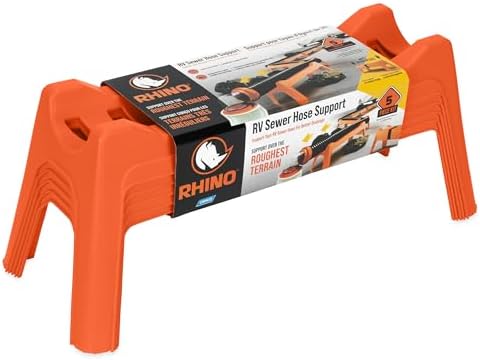
- Superior Drainage: Effortlessly drain your RV holding tanks with the Rhino RV sewer hose support kit. It ensures efficie…
- Universal Compatibility: This camper sewer hose support is built to fit all Camco RV Sewer Hose Kits, including RhinoFLE…
- Five Support Sections: Camco’s Rhino Sewer Hose Support Kit includes five configurable sections, each measuring 24 3/16″…
Frequently Asked Questions
Can you legally live in an RV full-time?
Yes — there is no federal barrier, and hundreds of thousands do it. The legal pieces are a domicile state with a mail-forwarding address for licenses, taxes, insurance, and voting, plus following local stay-limit rules (campgrounds and public land cap consecutive nights, so full-timers rotate).
Is full-time RV living cheaper than a house?
It can be, but is not automatically: slow travelers on monthly rates and public land routinely live on $2,000/month, while fast-moving resort-park travelers spend more than their old mortgage. Fuel and nightly rates are the swing variables — speed is expensive, patience is cheap.
What do full-timers wish they had known?
The consistent answers: pick the domicile and health insurance before buying the rig, upgrade the mattress immediately, budget real money for repairs, slow down (the first-year burnout is always from moving too fast), and keep a storage unit until you are sure. The rig matters less than the pace.

Written by Jake Miller · Camping & Gear
Jake grew up pitching tents before he could drive and has spent 15+ years camping, car-camping, and gear-testing his way across the country. If it can be cooked over a fire or packed into a trunk, he has an opinion on it.