
Heads up: this post contains affiliate links. If you buy through one, we may earn a small commission at no extra cost to you. As an Amazon Associate, we earn from qualifying purchases.
⚡ Quick Answer: Winter RVing comes down to three battles: heat (furnace plus a safe supplemental heater), water (heated hose or fill-and-disconnect, tank heaters or antifreeze in the lines that need it), and moisture (crack a vent and run a dehumidifier — condensation, not cold, ruins most rigs). Skirt the rig if parked for weeks, keep propane above half, and watch overnight lows against your rig’s rating.
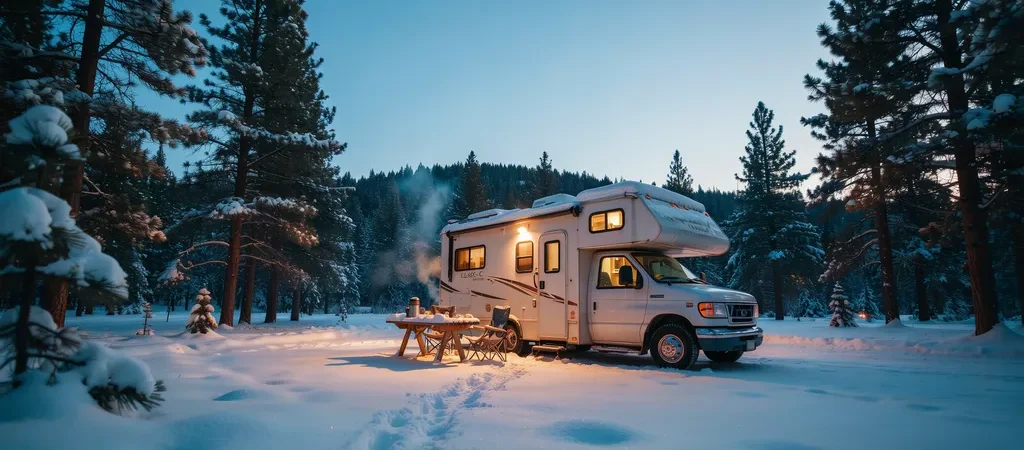
A campground in fresh snow is the version of RVing nobody forgets: half-price sites, zero crowds, and hot coffee while the world outside glitters. The rigs that do it comfortably are not fancier — their owners just fight the right three battles: heat, water, and moisture.
Here is the winter playbook, whether you are chasing ski resorts, shoulder-season parks, or just got surprised by an October cold snap.
Know What Your Rig Can Handle
“Four-season” stickers are marketing; insulation values and enclosed, heated underbellies are facts. If your tanks and lines run through a heated underbelly, you can camp confidently into the 20s°F and below. If they hang exposed (most entry-level trailers), your practical floor without modifications is right around freezing — plan around overnight lows, not daytime highs.
Heat: Furnace First, Supplement Smart
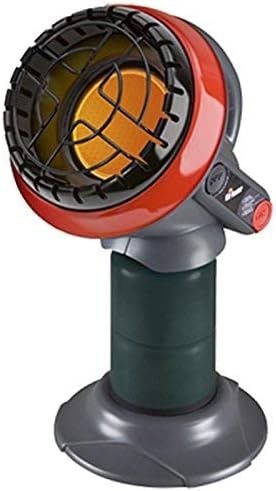
Your propane furnace is the backbone because its ducts are what keep tanks and plumbing bays warm — do not shut it off entirely in favor of space heaters. On hookups, add an electric ceramic heater to carry the living space and stretch propane. Off-grid, a catalytic-style propane heater like a Buddy heater adds quiet warmth: use the low setting, keep clearance, and always crack a window — plus a working CO detector, non-negotiable. A battery heated blanket turns cold evenings and colder mattresses civilized for pennies of power.
Propane math: a 30-pound tank runs a furnace roughly two to four cold days. Refill at half, not empty, and know where the nearest exchange is before the storm, not during it.
Water: The System That Freezes First
The fresh hose freezes before anything else. Two options: a heated water hose, or the simpler fill-and-disconnect — fill your fresh tank in the afternoon, disconnect and drain the hose, run off the pump overnight. Keep gray and black valves closed (a full-ish tank freezes far slower than a film of liquid in a hose), dump on mild afternoons, and add a cup of RV antifreeze to P-traps and tank bottoms in hard freezes. Cabinet doors under sinks stay open on cold nights so warm air reaches the pipes.
Moisture: The Silent Rig-Killer
Four people breathing, cooking, and showering put quarts of water into the air daily; in winter it condenses inside walls and windows and grows things you do not want. Crack a roof vent even when it is cold (yes, really), run the vent fan while cooking and showering, wipe windows in the morning, and let a dehumidifier or DampRid work continuously. Dry cold is comfortable; damp cold is misery with mold.
If You Are Parked for the Season
- Skirt the rig — foam board or fabric skirting traps ground warmth under the floor and is the single biggest comfort upgrade for stationary winter RVers
- Heat tape the fresh hose and the sewer run’s low spots
- Insulate windows with reflective foil or shrink film; a vent pillow in each roof vent
- Keep tires on boards, not frozen mud, and check pressures monthly — cold drops PSI
Winter Campground Strategy
Full-hookup sites earn their keep in winter — electric heat, no tank-dump gymnastics in the sleet. Many state parks stay open with skeleton services (water off at the spigot; fill at the office). Ski-town private parks book out for the season by fall. And the desert Southwest is the great cheat code: Quartzsite, Borrego, and southern Utah offer freezing-free boondocking all winter while looking like another planet.
Recommended Gear

- DON’T JUST COVER UP ODORS, ELIMINATE THEM: DampRid Lavender Vanilla Hanging Moisture Absorbers attract and trap excess m…
- 14% MORE MOISTURE ABSORBING POWER*. You can see DampRid work as it attracts and traps excess moisture.
- LONG-LASTING FRESHNESS: DampRid hanging bag moisture absorbers can last up to 60 days depending on temperature and humid…

- Enjoy 6-8 Hours of Cordless Warmth Anywhere – Powered by a high-capacity, portable battery pack (included), this heated …
- Gentle Far Infrared Heat for Deep Relaxation – Unlike harsh electric coils, our advanced far infrared technology deliver…
- Wrap Yourself in Ultra-Soft Faux Rabbit Fur – Experience the cloud-like comfort of our premium plush fabric. This luxuri…
Frequently Asked Questions
Will my RV pipes freeze overnight at 25°F?
One night at 25°F with the furnace running rarely bursts anything on rigs with interior plumbing, but an exposed fresh hose will freeze solid — disconnect and drain it. Sustained days below freezing are what crack exposed lines and pumps; that is when tank heaters, skirting, or winterizing become mandatory.
Is it safe to run a propane heater inside an RV?
Indoor-rated catalytic heaters (like the Buddy series) are designed for it when used correctly: low setting, three feet of clearance, a cracked window for fresh air, and functioning CO and propane detectors. Never run one while sleeping unattended, and never use a cooking stove as a heater.
How do full-time RVers survive real winters?
Skirting, heated hoses, tank heater pads, and a heavy reliance on electric heat at full-hookup sites — or they simply migrate: the Southwest desert circuit exists because 65°F in January is cheaper than fighting ice. Both strategies work; only one involves shoveling.
Written by Jake Miller · Camping & Gear
Jake grew up pitching tents before he could drive and has spent 15+ years camping, car-camping, and gear-testing his way across the country. If it can be cooked over a fire or packed into a trunk, he has an opinion on it.