
Heads up: this post contains affiliate links. If you buy through one, we may earn a small commission at no extra cost to you. As an Amazon Associate, we earn from qualifying purchases.
⚡ Quick Answer: Pack a backpack in three zones: sleeping bag and light bulky items at the bottom, heavy gear (food, water, stove) in the middle against your spine, and frequently-needed items on top and in pockets. Keep the heavy stuff centered and close to your back — it should ride on your hips, not your shoulders.
Two hikers can carry identical gear and one will float up the trail while the other fights their pack all day. The difference is packing. Where weight sits in a backpack changes how it carries more than how much weight there is. Here’s the system backpackers converge on after years of sore shoulders.
The Three-Zone System
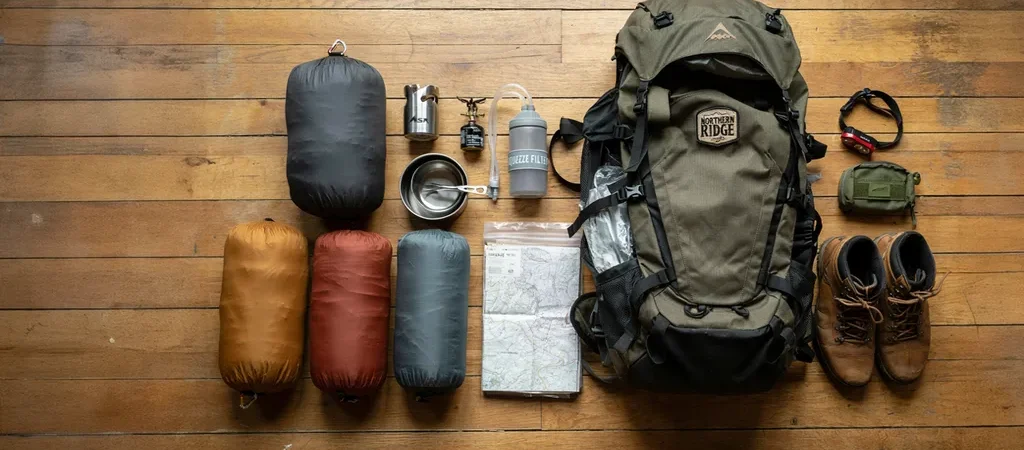
- Bottom zone — light and bulky: sleeping bag, sleep clothes, camp shoes. Things you need once, at camp. This soft base also absorbs the load above it.
- Core zone — heavy, against your spine: food bag, water reservoir, stove, and fuel. Centered and close to your back, between your shoulder blades. This is the whole trick: heavy-close rides on your hips; heavy-far levers you backward.
- Top + pockets — the day’s needs: rain shell, snacks, filter, first aid, headlamp, map. If you’ll want it before camp, it must be reachable without unpacking.
The Details That Matter
- Tent body and fly can split: poles slide down a side pocket, fabric stuffs into gaps — a packed bag has no air pockets.
- Line the pack with a liner or trash compactor bag — pack covers leak in real rain; liners don’t.
- Hip belt pockets earn their keep: snacks, lip balm, phone. Never stop to snack again.
- Compression straps snug the load AFTER packing — a tight pack doesn’t shift, and shifting is what tires you.
- Dangling gear (mugs, shoes, foam pads excepted) is a flag that the packing failed. Inside is always better.
Fitting the Loaded Pack
- Loosen everything, then: hip belt first (riding ON the hip bones), shoulder straps snug (not carrying), load lifters at ~45 degrees, sternum strap last.
- 80% of the weight should sit on your hips. If your shoulders ache, re-tension in that order.
- Total weight target: 20% of body weight or less for comfort; ultralighters aim far lower.
A Waterproofing Layer That Weighs Nothing
Organize with stuff sacks or dry bags — one for clothes, one for sleep kit, one for food — and wet weather stops being scary:

Test the full carry on a local hill before a big trip. Then put the system to work on a route from our best backpacking trails — with the first-trip guide and day-hike checklist as your packing lists.
Frequently Asked Questions
How do you pack a backpack for hiking?
Put heavy items like food and water close to your back and centered between your shoulder blades, lighter bulky items like a sleeping bag at the bottom, and frequently needed items up top or in pockets. Keep the load balanced and snug so it does not shift, and use the straps to compress it.
Where should the heaviest items go in a backpack?
The heaviest items should sit close to your back and centered vertically around the middle of the pack, near your shoulder blades. This keeps the load over your hips and center of gravity, which feels lighter and more stable than heavy weight placed low or far from your back.
How do you keep a backpack from hurting your back?
Fit the pack so most of the weight rides on your hips via the hip belt, not your shoulders, and adjust the shoulder straps and load lifters snugly. Pack heavy items close to your back, keep the total weight reasonable, and take breaks. A properly fitted, well-packed bag prevents most discomfort.

Written by Sarah Brooks · Hiking & National Parks
Sarah fell in love with the outdoors on a childhood trip to the Smokies and has logged thousands of trail miles across 30+ national parks since. She is happiest above treeline with a map in hand.