Heads up: this post contains affiliate links. If you buy through one, we may earn a small commission at no extra cost to you. As an Amazon Associate, we earn from qualifying purchases.
⚡ Quick Answer: The best backpacking trails in the US for mortals (not thru-hikers) are the Teton Crest Trail (WY), the Wonderland Trail (WA), the Lost Coast Trail (CA), the Four Pass Loop (CO), the Art Loeb Trail (NC), and Paria Canyon (AZ/UT). Most need permits months ahead — the lottery is part of the planning.
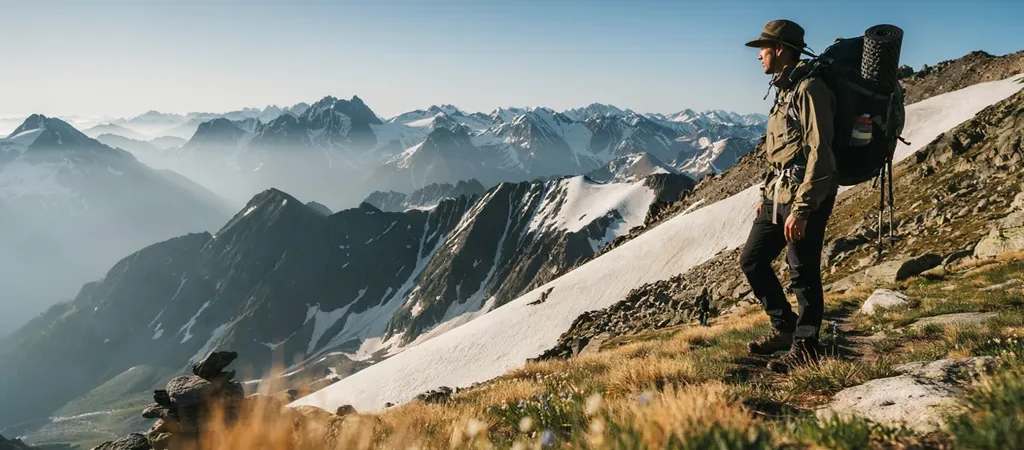
You don’t need six months and a trail name to have a life-list backpacking experience. America’s best multi-day routes pack thru-hike scenery into 3–7 day trips a working human can actually take. Here are six worth building a vacation around, plus how to win the permit game.
Six Life-List Backpacking Trips
1. Teton Crest Trail, Wyoming — 40 miles, 4–5 days
Wildflower meadows, alpine lakes, and the Tetons overhead the entire way. Arguably the best scenery-per-mile ratio in America. Permits are a competitive lottery — apply in January.
2. Wonderland Trail, Washington — 93 miles, 8–12 days
The full orbit of Mount Rainier: old-growth forest, glacier views, and a different face of the volcano every day. Shorter sections work beautifully if you can’t take two weeks.
3. Lost Coast Trail, California — 25 miles, 3 days
The wildest coastline in the lower 48 — black sand beaches, sea lions, and tide-dependent passages (a tide table is literally required navigation gear). Bear canisters mandatory.
4. Four Pass Loop, Colorado — 26 miles, 3–4 days
Four 12,000-foot passes around the Maroon Bells. Brutal climbing, unbeatable payoff, and peak wildflowers in late July. Acclimate in Aspen first — see our altitude guide when it publishes.
5. Art Loeb Trail, North Carolina — 30 miles, 3 days
The East’s sleeper classic: grassy balds with 360-degree views, spruce forests, and Shining Rock’s white quartz. No permits, big rewards.
6. Paria Canyon, Arizona/Utah — 38 miles, 4–5 days
A slot canyon odyssey — you walk the riverbed between thousand-foot sandstone walls. Flash-flood awareness is survival gear here; go in fall.
Winning the Permit Game
- Popular routes open lotteries or reservations 4–6 months out — calendar the date and apply the first morning.
- Weekday start dates and shoulder-season windows multiply your odds.
- Walk-up permits exist on many routes for the flexible: show up a day early, be nice to rangers.
- Strike out? The trail next door is usually 80% as good with 20% of the competition.
Before You Go
A multi-day pack is a system: shelter, sleep, water, food, and the discipline to leave the rest home. Start with our first backpacking trip guide and how to pack a backpack, filter water with confidence (filter guide), and waterproof the essentials:

- Proven Dry Bags Waterproof Performance – Crafted with double‑coated fabric and welded seams, these dry bags waterproof w…
- Ultralight Stuff Sack & Dry Pack – These ultralight stuff sack and dry pack bags fold flat when empty and add almost no …
- Six Multi‑Size Camping Bags – This set includes camping bags from 1.5 L to 8 L; the small dry bag doubles as a waterproo…
Frequently Asked Questions
What are the best backpacking trails in the US?
Famous long trails include the Appalachian Trail, the Pacific Crest Trail, and the Continental Divide Trail, while shorter classics include the John Muir Trail and Wonderland Trail. For beginners, many national parks offer excellent shorter backpacking loops to build experience.
What is the best backpacking trail for beginners?
Beginners are best served by shorter, well-marked trails with reliable water and established campsites, often found in national and state parks, rather than jumping straight onto a long thru-hike. Start with a one or two night trip close to home to test your gear and fitness.
Do you need a permit to backpack?
Many popular backpacking areas require a permit or reservation for overnight trips, and some limit the number of hikers or require bear canisters. Always check the managing agency well in advance, since permits for the most popular trails can be competitive and sell out.
Written by Sarah Brooks · Hiking & National Parks
Sarah fell in love with the outdoors on a childhood trip to the Smokies and has logged thousands of trail miles across 30+ national parks since. She is happiest above treeline with a map in hand.