
Heads up: this post contains affiliate links. If you buy through one, we may earn a small commission at no extra cost to you. As an Amazon Associate, we earn from qualifying purchases.
⚡ Quick Answer: How to recognize hypothermia early (the umbles), treat it correctly in the field, and prevent it with layering — the cold-weather knowledge that saves lives.
Hypothermia doesn’t need blizzards — most cases happen between 30 and 50 degrees, in wind and rain, to people who “were just out for the day.” It’s your core temperature dropping faster than your body can generate heat, and it degrades the very judgment you need to fix it. Here’s how to spot it early, treat it right, and never meet it in the first place.
The Warning Signs: The “Umbles”
- Mild: intense shivering, cold pale hands and feet, and the umbles — stumbles, mumbles, fumbles, grumbles. Struggling with a zipper is a diagnostic moment.
- Moderate: violent shivering, confusion, slurred speech, clumsiness, apathy — “I just want to sit down.” The victim usually denies anything is wrong.
- Severe: shivering stops (the body has given up generating heat), profound confusion, drowsiness. Paradoxical undressing can occur. This is a life-threatening emergency.
- Watch your partners, not just yourself — the victim is the last to know.
Field Treatment: Warm From Inside Out
- Stop, shelter, and swap: get out of wind and rain, and replace every piece of wet clothing with dry. Wet cotton against skin is the engine of hypothermia.
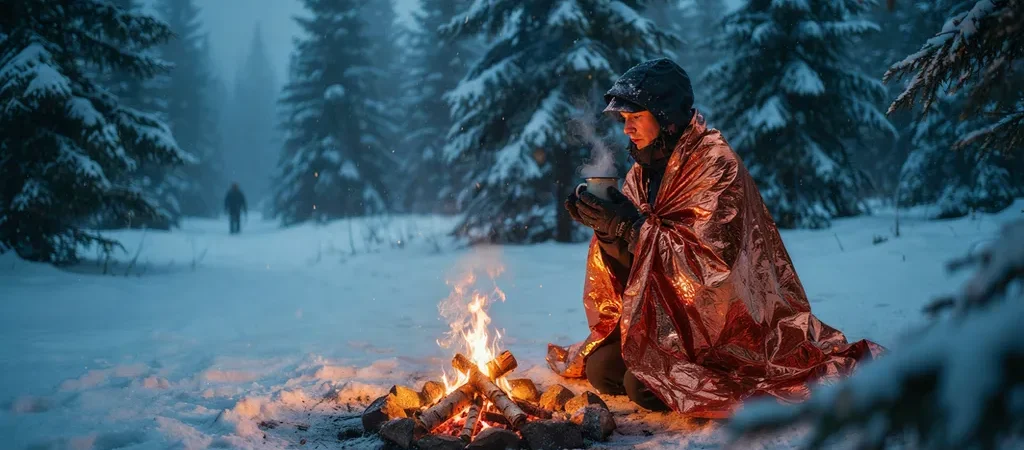
- Insulate everywhere: layers, hat, and something between the person and the ground. Wrap in a sleeping bag or emergency blanket — add your own body heat inside if needed.
- Feed the furnace: warm sweet drinks and quick calories fuel shivering, which is the body rewarming itself. No alcohol (it dumps core heat to the skin) and no caffeine.
- Gentle heat to the core: warm (not hot) bottles or heat packs wrapped in cloth at the chest, armpits, and groin — never directly on skin.
- Severe cases: handle like glass. Rough movement can trigger cardiac arrest. Insulate, keep horizontal, and get rescue moving — do not rub limbs or apply aggressive external heat.
Prevention: The Layer Game
- No cotton in cool weather — wool and synthetics insulate wet; cotton kills. (Our layering guide covers the system.)
- Strip layers before you sweat on climbs; add them before you chill at breaks.
- Pack a rain shell and an extra insulating layer on every trip, all year. Wind + wet is the ambush.
- Eat and drink steadily — a fed body is a warm body.
- Carry the cheap insurance: an emergency bivy and chemical warmers weigh nothing:

- An emergency bivouac bag should be robust and durable to provide reliable protection in any environment – but some campi…
- Do not risk your health with cheap, poorly made bivouac bags that do not provide enough heat. Unlike these, our sleeping…
- Designed for all seasons, this bivouac bag is waterproof and protects against rain, wind, heavy snowfall and condensatio…

- 🔥TAILGATE BUNDLE – Stock up and save with our expertly curated Lap Warmer and Variety Pack bundle. The perfect combinati…
- 🔥NATURAL, LONG-LASTING HEAT – HotHands warmers are made with natural ingredients that provide soothing warmth for up to …
- 🔥HOW TO ACTIVATE – Open the package, expose the warmer to air, and allow 15-30 minutes to heat up fully. If warmth decre…
The Golden Rule
Treat hypothermia when you first suspect it, not when you’re sure — the cost of overreacting is a snack break and a dry shirt; the cost of underreacting compounds fast. More cold-season know-how in our cold-weather camping guide and wilderness first aid basics.
Frequently Asked Questions
What are the first signs of hypothermia?
The umbles: mumbles, stumbles, fumbles, and grumbles. Shivering plus clumsiness, slurred speech, and poor judgment mean the body’s core is cooling. Act at the first signs — the victim is usually the last to recognize them.
How do you treat hypothermia in the field?
Stop, shelter from wind and wet, swap wet clothes for dry, insulate from the ground, and add heat: warm sweet drinks if fully conscious, body heat, and a hat. Handle severe cases gently and get help — rough movement can trigger cardiac arrest.
Can you get hypothermia in summer?
Yes — most cases occur between 30 and 50 degrees, not in deep cold. A wet cotton shirt, wind, and fatigue on a 45-degree evening is a classic recipe. That is why rain gear and a dry layer ride in the pack all year.

Written by Sarah Brooks · Hiking & National Parks
Sarah fell in love with the outdoors on a childhood trip to the Smokies and has logged thousands of trail miles across 30+ national parks since. She is happiest above treeline with a map in hand.